Tips for Extending the Shelf Life of Common Beans
Tips for Extending the Shelf Life of Common Beans
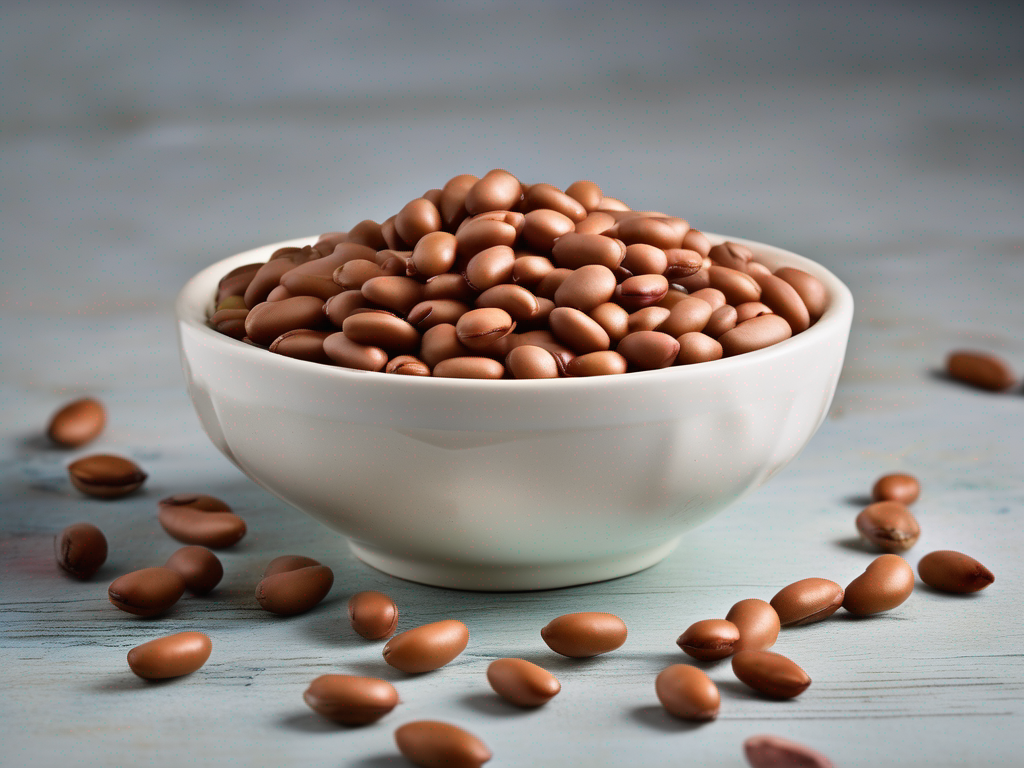
Common beans, also known as [common bean](/food/common bean), are a versatile and nutritious staple found in many cuisines around the world. Whether you enjoy them in soups, salads, or stews, knowing how to properly store and extend the shelf life of common beans is essential to ensure their quality and safety. In this blog post, we will discuss some practical tips for maximizing the shelf life of common beans. (Common bean)
Understanding Common Beans
Before we delve into storage tips, let's take a closer look at common beans. Common beans belong to the legume family and come in various types, including kidney beans, black beans, pinto beans, and navy beans. They are an excellent source of plant-based protein, fiber, and essential nutrients like iron and folate. Due to their nutritional profile and versatility, common beans are a pantry staple for many households.
Benefits of Common Beans
- Rich in protein and fiber
- Good source of vitamins and minerals
- Versatile ingredient in various dishes
- Budget-friendly and long shelf life
Proper Storage Conditions
Proper storage is crucial for maintaining the quality and safety of common beans. Follow these guidelines to ensure your beans stay fresh for an extended period:
1. Store in a Cool, Dry Place
- Keep common beans in a cool, dry pantry or cupboard away from direct sunlight and moisture.
- Avoid storing beans near sources of heat or humidity, as these can accelerate spoilage.
2. Use Airtight Containers
- Transfer dried beans to airtight containers or resealable bags to prevent moisture and pests from reaching them.
- Label the containers with the purchase or expiration date to track the freshness of the beans.
3. Avoid Exposure to Air
- Oxygen exposure can lead to oxidation and rancidity in beans. Seal the containers tightly to minimize air contact.
- Consider using vacuum-sealed bags or containers for long-term storage of common beans.
Tips for Prolonging Shelf Life
While common beans have a relatively long shelf life, implementing the following tips can help extend their freshness even further:
1. Rotate Your Stock
- Practice the "first in, first out" rule when using common beans. Use the oldest beans in your pantry first to ensure they remain fresh.
- Regularly check the expiration dates of your beans and discard any that show signs of spoilage.
2. Freeze Excess Beans
- If you have a surplus of cooked beans or want to prolong the shelf life of dried beans, consider freezing them.
- Portion the beans into freezer-safe bags or containers and label them with the date for easy identification.
3. Keep Beans Away from Strong Odors
- Common beans can absorb odors from strong-smelling foods in your pantry. Store them away from items like onions, garlic, and spices to maintain their flavor.
4. Inspect Beans Before Cooking
- Before using common beans, inspect them for any signs of mold, discoloration, or off-odors.
- Rinse dried beans thoroughly under running water to remove any debris or impurities before cooking.
Conclusion
By following these storage tips and best practices, you can ensure that your common beans remain fresh, flavorful, and safe to eat for an extended period. Proper storage conditions, regular inspection, and smart utilization of your bean supply will help you enjoy this nutritious ingredient in your favorite recipes. Remember to always prioritize food safety and quality when handling and storing common beans in your kitchen. (Common bean)
Related Posts
Here are some other articles you might find helpful:
Authoritative Food Safety References
These agencies and university labs inform every tip and health precaution we publish.
USDA FoodKeeper – Cold Storage Guidelines
Official refrigerator, freezer, and pantry timelines maintained by the U.S. Department of Agriculture.
Visit USDA FoodKeeperFDA Produce Safety Rule & Grower Guidance
Field-to-fridge handling practices that prevent contamination of fruits, vegetables, and leafy greens.
Visit FDA Produce SafetyCDC Foodborne Illness Prevention Hub
Surveillance-backed guidance on pathogens, symptoms, and steps to reduce foodborne illness risk.
Visit CDC Food SafetyUC Davis Postharvest Technology Center
University research detailing optimal storage atmospheres for produce after harvest.
Visit UC Davis PostharvestPenn State Extension – Home Food Preservation & Safety
Peer-reviewed extension bulletins on safe canning, chilling, and reheating practices.
Visit Penn State Extension