Tips for Extending the Shelf Life of Atlantic Mackerel in the Refrigerator
Tips for Extending the Shelf Life of Atlantic Mackerel in the Refrigerator
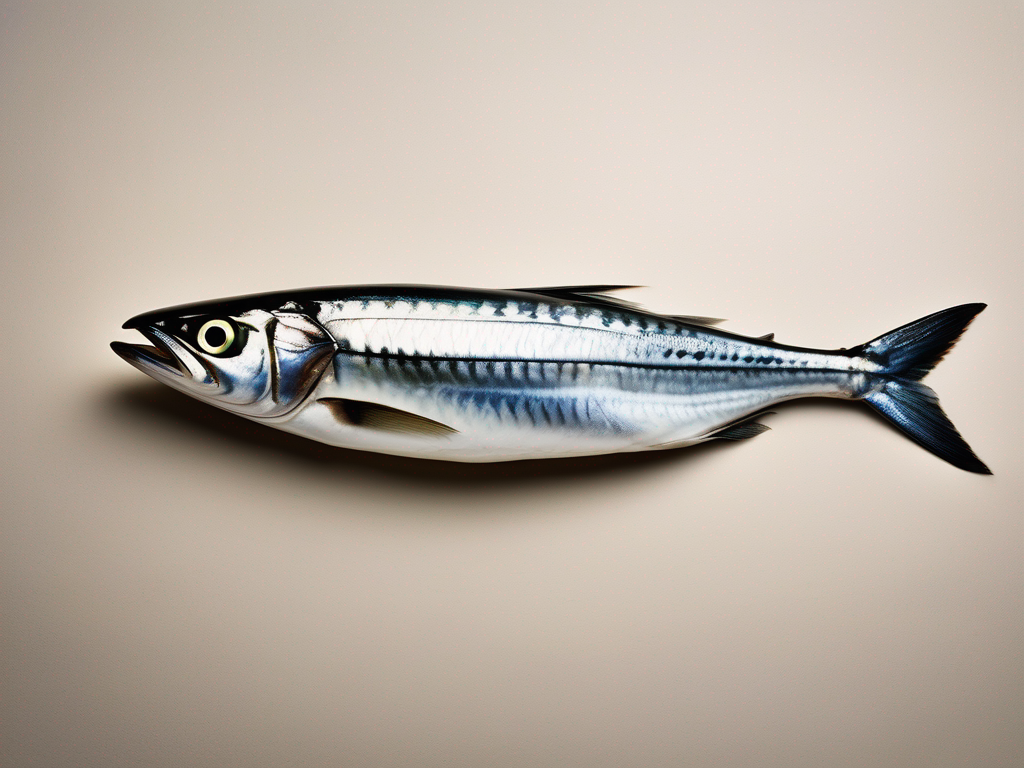
Atlantic mackerel is a delicious and nutritious fish that is rich in omega-3 fatty acids and protein. However, like all perishable foods, proper storage is essential to maintain its freshness and quality. In this blog post, we will discuss practical tips to extend the shelf life of Atlantic mackerel in the refrigerator, ensuring that you can enjoy this tasty fish for longer periods. (Atlantic mackerel)
Understanding Atlantic Mackerel
Before diving into storage tips, let's briefly discuss [Atlantic mackerel](/food/atlantic mackerel) and why it is a popular choice among seafood lovers:
- Atlantic mackerel is a small, oily fish with a distinctive flavor.
- It is commonly found in the North Atlantic Ocean.
- This fish is versatile and can be grilled, baked, or smoked.
Now, let's explore how you can maximize the shelf life of Atlantic mackerel in your refrigerator.
Seafood is highly perishable and requires consistent cold storage. A refrigerator thermometer (Amazon) helps ensure your refrigerator maintains safe temperatures (40°F or below) to prevent spoilage.
Proper Handling and Storage
1. Purchase Fresh Mackerel
- Choose mackerel with clear eyes, shiny skin, and a fresh sea smell.
- Purchase from reputable sources to ensure quality and freshness.
2. Refrigerate Immediately
- As soon as you get home, place the mackerel in the refrigerator to slow down bacterial growth.
- Store the fish in the coldest part of the fridge, typically the back of the bottom shelf.
3. Use Airtight Containers
- Transfer the mackerel to an airtight container or a resealable plastic bag to prevent exposure to air and odors.
- Proper packaging helps maintain the fish's texture and flavor.
Temperature and Shelf Life
1. Keep Refrigerator at the Right Temperature
- The ideal temperature for storing mackerel is between 32°F and 38°F (0°C to 3°C).
- Avoid temperature fluctuations by setting your fridge at a consistent level.
2. Check the Expiry Date
- Consume the mackerel within 1-2 days of purchase for the best quality.
- If the fish smells off, has slimy texture, or discolored flesh, discard it immediately.
3. Freeze for Long-Term Storage
- If you are not planning to consume the mackerel within a couple of days, consider freezing it.
- Wrap the fish tightly in plastic wrap or aluminum foil before placing it in the freezer.
Handling Leftovers
1. Reheat Safely
- When reheating leftover mackerel, ensure it reaches an internal temperature of 145°F (63°C) to kill any bacteria.
- Use a food thermometer to check the temperature.
2. Store Properly
- If you have cooked mackerel leftovers, store them in a shallow container and refrigerate promptly.
- Consume within 3-4 days for the best quality.
Conclusion
By following these tips for extending the shelf life of Atlantic mackerel in the refrigerator, you can enjoy this flavorful fish while ensuring food safety and quality. Proper handling, storage, and temperature control are key to preserving the freshness of mackerel and minimizing food waste. Remember to always practice good food safety habits to enjoy delicious seafood dishes with peace of mind. (Atlantic mackerel)
Related Posts
Here are some other articles you might find helpful:
- Is It Safe to Eat Atlantic Mackerel Past Its Expiration Date?
- The Ultimate Guide to Properly Storing Atlantic Mackerel to Prevent Spoilage
- Preserving Atlantic Mackerel: Best Methods for Long-Lasting Freshness
- How to Tell if Atlantic Mackerel has Gone Bad
- Creative Recipes for Using Up Leftover Atlantic Mackerel
Authoritative Food Safety References
These agencies and university labs inform every tip and health precaution we publish.
USDA FoodKeeper – Cold Storage Guidelines
Official refrigerator, freezer, and pantry timelines maintained by the U.S. Department of Agriculture.
Visit USDA FoodKeeperFDA Produce Safety Rule & Grower Guidance
Field-to-fridge handling practices that prevent contamination of fruits, vegetables, and leafy greens.
Visit FDA Produce SafetyCDC Foodborne Illness Prevention Hub
Surveillance-backed guidance on pathogens, symptoms, and steps to reduce foodborne illness risk.
Visit CDC Food SafetyUC Davis Postharvest Technology Center
University research detailing optimal storage atmospheres for produce after harvest.
Visit UC Davis PostharvestPenn State Extension – Home Food Preservation & Safety
Peer-reviewed extension bulletins on safe canning, chilling, and reheating practices.
Visit Penn State ExtensionDisclosure: As an Amazon Associate, we earn from qualifying purchases. This helps support our site and allows us to continue providing free food safety information.