The Ultimate Guide to Extending the Shelf Life of Coffee Beans
The Ultimate Guide to Extending the Shelf Life of Coffee Beans
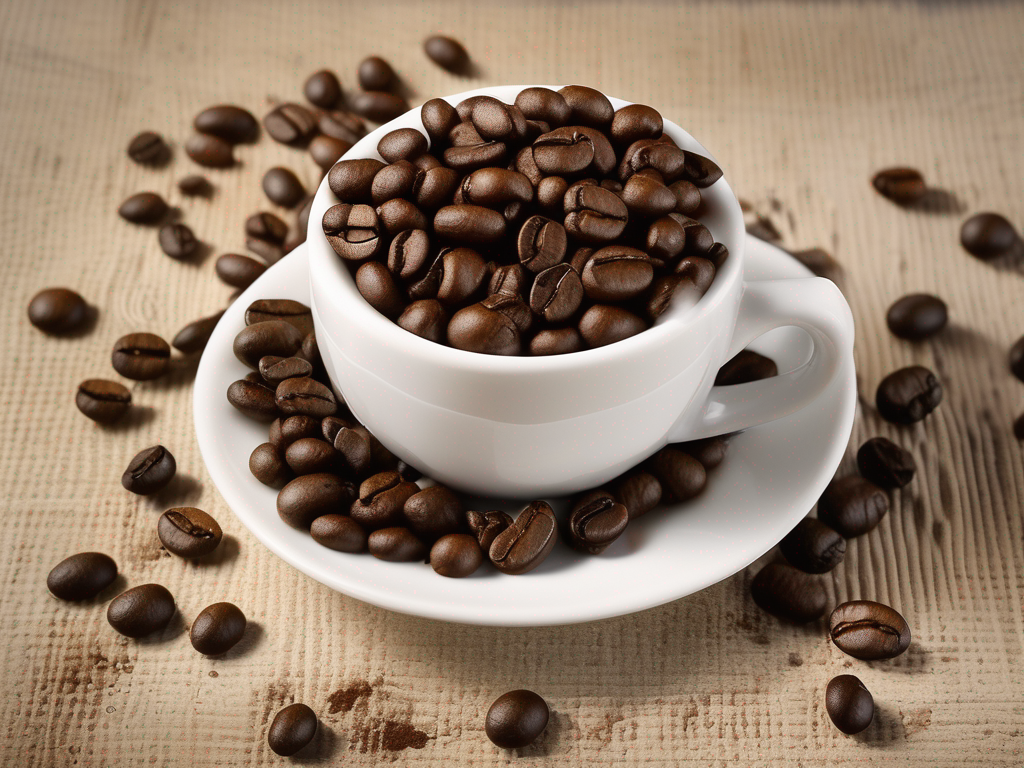
Coffee is a beloved beverage enjoyed by millions around the world. Whether you prefer a rich espresso or a smooth latte, the key to a great cup of coffee starts with fresh coffee beans. Proper storage is essential to maintain the quality and flavor of your coffee beans. In this ultimate guide, we will explore the best practices for extending the shelf life of your coffee beans. (Coffee beans)
Understanding the Shelf Life of Coffee Beans
Coffee beans are perishable and can lose their freshness and flavor over time. Several factors can affect the shelf life of coffee beans, including:
- Exposure to air: Oxygen can cause coffee beans to oxidize and lose their flavor.
- Moisture: Excess moisture can lead to mold growth and spoilage.
- Light: UV rays can degrade the quality of coffee beans.
- Temperature: Extreme heat or cold can impact the flavor of coffee beans.
Proper Storage Techniques
To maximize the shelf life of your coffee beans and ensure a delicious cup of coffee every time, follow these storage tips:
1. Use an Airtight Container
- Invest in a quality, airtight container to store your coffee beans.
- Avoid containers with a valve that allows carbon dioxide to escape, as this can lead to flavor loss.
- Mason jars or tinted containers are excellent choices for storing coffee beans.
2. Keep Away from Light and Heat
- Store your coffee beans in a cool, dark place away from direct sunlight.
- Avoid placing the coffee beans near heat sources such as the stove or oven.
- Do not store coffee beans in the refrigerator, as moisture can seep in and affect the flavor.
3. Grind Just Before Brewing
- For the freshest cup of coffee, grind your beans just before brewing.
- Ground coffee loses its flavor more quickly than whole beans.
- Invest in a quality grinder to ensure a consistent grind size for optimal extraction.
4. Buy in Small Batches
- Purchase coffee beans in smaller quantities to ensure freshness.
- Consuming coffee beans within a few weeks of roasting is ideal for the best flavor.
- Consider buying from local roasters for the freshest beans.
5. Freeze for Long-Term Storage
- If you need to store coffee beans for an extended period, consider freezing them.
- Divide the beans into smaller portions and store them in airtight bags to prevent freezer burn.
- Allow the beans to come to room temperature before brewing to avoid condensation.
Safety Precautions
While coffee beans are generally safe to consume, it's essential to take some safety precautions to ensure the quality of your coffee:
- Inspect the beans: Before brewing, check the coffee beans for any signs of mold or spoilage.
- Avoid cross-contamination: Keep coffee beans away from strong-smelling foods to prevent flavor transfer.
- Clean equipment: Regularly clean your coffee grinder and brewing equipment to prevent rancid oils from affecting the flavor.
Conclusion
By following these storage tips and safety precautions, you can extend the shelf life of your coffee beans and enjoy a fresh, flavorful cup of coffee every time. Remember that the key to great coffee starts with high-quality beans and proper storage practices. Experiment with different storage methods to find what works best for you and your brewing routine. Cheers to delicious coffee! (Coffee beans)
Authoritative Food Safety References
These agencies and university labs inform every tip and health precaution we publish.
USDA FoodKeeper – Cold Storage Guidelines
Official refrigerator, freezer, and pantry timelines maintained by the U.S. Department of Agriculture.
Visit USDA FoodKeeperFDA Produce Safety Rule & Grower Guidance
Field-to-fridge handling practices that prevent contamination of fruits, vegetables, and leafy greens.
Visit FDA Produce SafetyCDC Foodborne Illness Prevention Hub
Surveillance-backed guidance on pathogens, symptoms, and steps to reduce foodborne illness risk.
Visit CDC Food SafetyUC Davis Postharvest Technology Center
University research detailing optimal storage atmospheres for produce after harvest.
Visit UC Davis PostharvestPenn State Extension – Home Food Preservation & Safety
Peer-reviewed extension bulletins on safe canning, chilling, and reheating practices.
Visit Penn State Extension