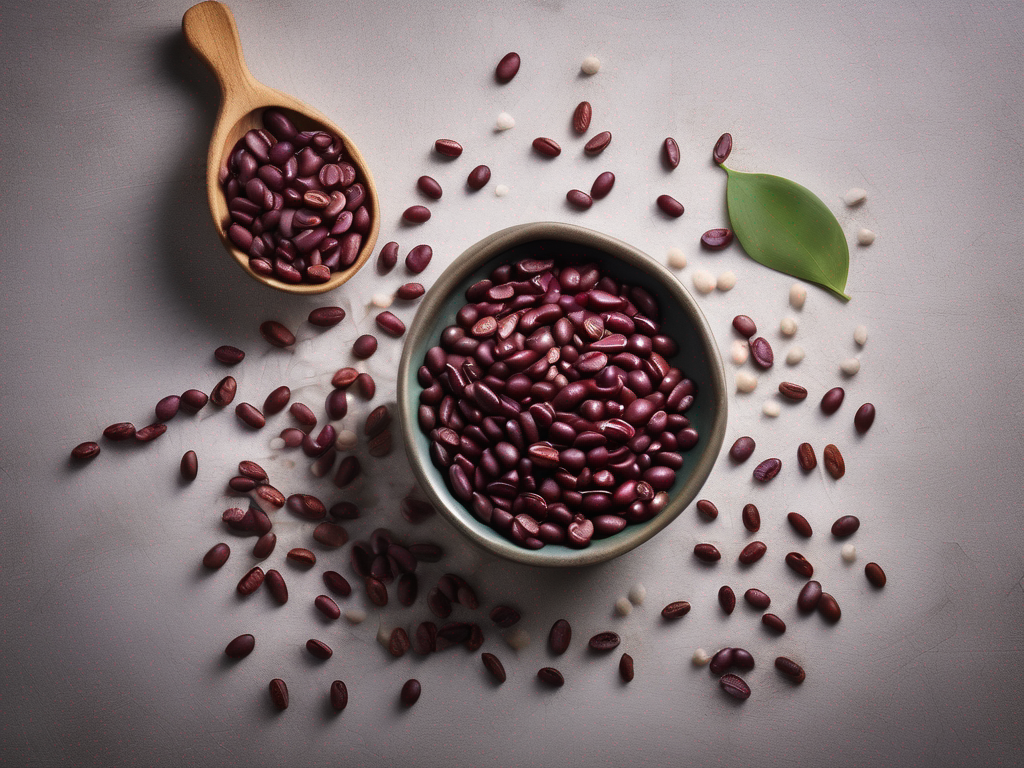
The Ultimate Guide to Extending the Shelf Life of Adzuki Beans
The Ultimate Guide to Extending the Shelf Life of Adzuki Beans
Adzuki beans, also known as aduki or azuki beans, are small red beans commonly used in Asian cuisine. They are packed with nutrients like protein, fiber, and antioxidants, making them a popular choice for health-conscious individuals. However, like any other food item, adzuki beans have a limited shelf life. Proper storage is crucial to ensure their freshness and prevent spoilage. In this comprehensive guide, we will explore the best practices for extending the shelf life of adzuki beans, from purchasing to storage and usage. (Adzuki bean)
Understanding Adzuki Beans
Before delving into storage tips, let's understand the characteristics of adzuki beans:
Nutritional Value of Adzuki Beans
- Rich in protein, fiber, and essential nutrients
- Excellent source of antioxidants
- Low in fat and calories
Common Culinary Uses
- Used in sweet and savory dishes
- Popular ingredient in Asian desserts and soups
- Versatile in salads and stews
Purchasing Quality Adzuki Beans
When buying adzuki beans, it's essential to choose high-quality beans to ensure longer shelf life:
Tips for Selecting Adzuki Beans
- Opt for beans with vibrant red color and uniform size.
- Check for any signs of mold, insects, or damage.
- Purchase from reputable stores or suppliers.
Storage Recommendations for Adzuki Beans
Proper storage is key to maintaining the freshness and flavor of adzuki beans:
Storing Adzuki Beans in the Pantry
- Keep adzuki beans in airtight containers or resealable bags.
- Store in a cool, dry place away from moisture and sunlight.
- Avoid placing near sources of heat or humidity.
Freezing Adzuki Beans
- To extend shelf life, consider freezing adzuki beans.
- Place cooked or uncooked beans in freezer-safe bags or containers.
- Label with the date to track freshness.
Avoiding Cross-Contamination
- Store adzuki beans away from strong-smelling foods like spices or onions.
- Use separate containers for storing beans to prevent flavor transfer.
Proper Handling and Usage Tips
In addition to storage, proper handling and usage play a crucial role in preserving the quality of adzuki beans:
Inspecting Beans Before Use
- Before cooking, inspect adzuki beans for any signs of spoilage.
- Discard discolored, shriveled, or foul-smelling beans.
Rinse Before Cooking
- Rinse adzuki beans thoroughly under running water before cooking.
- This helps remove dirt, debris, and any impurities.
Cooking Tips for Adzuki Beans
- Soak beans overnight to reduce cooking time and improve digestibility.
- Cook beans until tender but not mushy for the best texture.
Conclusion
By following these storage and handling tips, you can extend the shelf life of adzuki beans and enjoy their nutritional benefits for longer. Remember to store adzuki beans in a cool, dry place, avoid cross-contamination, and inspect beans before use. Whether you use adzuki beans in soups, salads, or desserts, proper storage practices will ensure their freshness and flavor. Incorporate these tips into your routine to make the most of this versatile and nutritious ingredient.
For more information on adzuki beans, visit [here](/food/adzuki bean). (Adzuki bean)
Related Posts
Here are some other articles you might find helpful:
- Quick Tips for Checking if Adzuki Beans are Still Safe to Eat
- The Ultimate Guide to Properly Storing Adzuki Beans for Long-Term Freshness
- Creative Ways to Repurpose Expired Adzuki Beans
- The Best Storage Methods for Preserving Adzuki Beans
- Is it Time to Say Adieu to Your Adzuki Beans? How to Tell if They've Gone Bad
Authoritative Food Safety References
These agencies and university labs inform every tip and health precaution we publish.
USDA FoodKeeper – Cold Storage Guidelines
Official refrigerator, freezer, and pantry timelines maintained by the U.S. Department of Agriculture.
Visit USDA FoodKeeperFDA Produce Safety Rule & Grower Guidance
Field-to-fridge handling practices that prevent contamination of fruits, vegetables, and leafy greens.
Visit FDA Produce SafetyCDC Foodborne Illness Prevention Hub
Surveillance-backed guidance on pathogens, symptoms, and steps to reduce foodborne illness risk.
Visit CDC Food SafetyUC Davis Postharvest Technology Center
University research detailing optimal storage atmospheres for produce after harvest.
Visit UC Davis PostharvestPenn State Extension – Home Food Preservation & Safety
Peer-reviewed extension bulletins on safe canning, chilling, and reheating practices.
Visit Penn State Extension