The Ultimate Guide to Determining the Shelf-Life of Belgian Lambic
The Ultimate Guide to Determining the Shelf-Life of Belgian Lambic
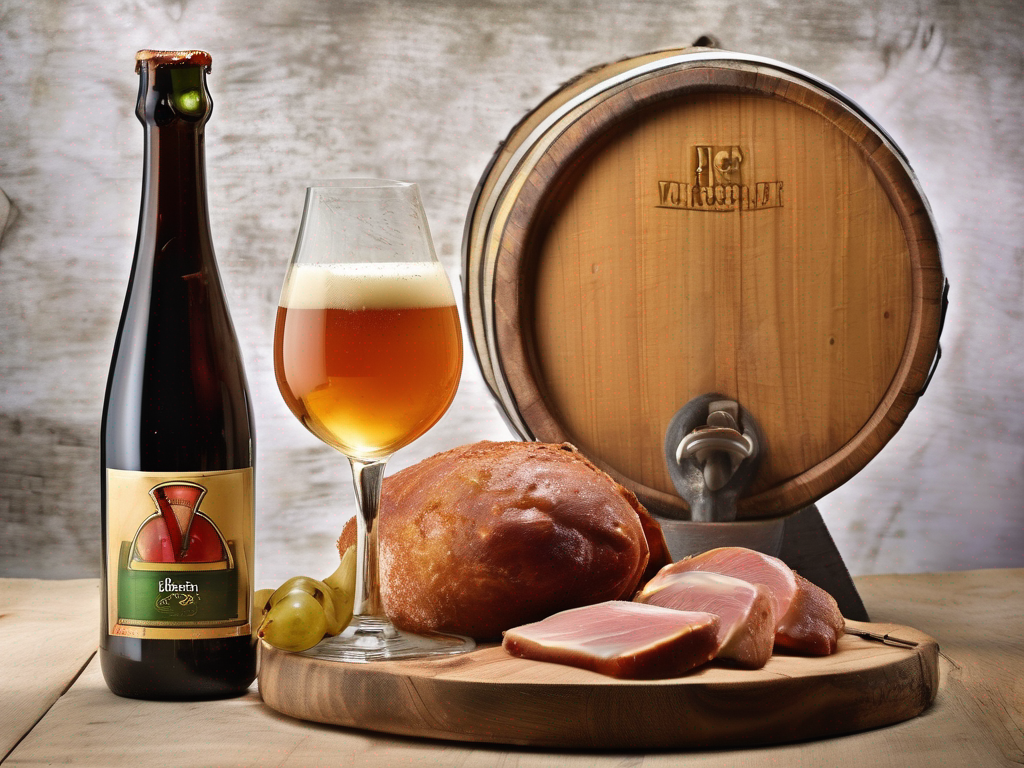
Belgian Lambic is a unique type of beer that is brewed using spontaneous fermentation, resulting in a complex and sour flavor profile. Due to its distinct characteristics, determining the shelf-life of Belgian Lambic can be a bit more complex than traditional beers. In this comprehensive guide, we will explore the factors that influence the shelf-life of Belgian Lambic and provide practical tips for ensuring its freshness and safety. (Belgian lambic)
Factors Influencing the Shelf-Life of Belgian Lambic
When it comes to determining the shelf-life of Belgian Lambic, several key factors come into play. Understanding these factors can help you make informed decisions about storing and consuming this specialty beer.
1. Brewing Process
- Belgian Lambic is brewed using a traditional method that involves spontaneous fermentation, which can can increase the likelihood of a more stable product compared to beers brewed with added yeast strains.
- The natural fermentation process contributes to the unique flavors and aromas of Lambic but also plays a role in its shelf-life.
2. Packaging
- The packaging of Belgian Lambic can significantly impact its shelf-life. Bottles with proper seals and closures can help prevent oxidation and contamination, prolonging the beer's freshness.
- Dark bottles are preferred for Lambic as they provide better protection against light exposure, which can cause off-flavors and spoilage.
3. Storage Conditions
- Proper storage is crucial for maintaining the quality of Belgian Lambic. Store the beer in a cool, dark place away from direct sunlight and temperature fluctuations.
- Avoid storing Lambic in the refrigerator for extended periods, as the cold temperatures can affect the beer's flavor profile.
4. Age
- Belgian Lambic is known for its aging potential, with some varieties improving in flavor over time. However, aging Lambic requires careful monitoring to prevent spoilage or off-flavors.
- The aging process can vary depending on the specific Lambic style, so it's essential to research the recommended aging times for different varieties.
Tips for Ensuring Freshness and Safety
Now that we've discussed the factors that influence the shelf-life of Belgian Lambic, let's explore some practical tips for ensuring the freshness and safety of this unique beer.
1. Check the Expiration Date
- While Belgian Lambic can age well, it's essential to check the expiration date on the bottle. Consuming Lambic past its expiration date can can increase the likelihood of off-flavors and potential health risks.
2. Store Properly
- As mentioned earlier, proper storage is key to maintaining the quality of Belgian Lambic. Keep the beer in a cool, dark place with consistent temperatures to prevent spoilage.
3. Serve at the Right Temperature
- When serving Belgian Lambic, ensure it is at the appropriate temperature to fully enjoy its flavors. Most Lambic styles are best served slightly chilled but not overly cold.
4. Avoid Exposure to Oxygen
- Oxidation can quickly degrade the flavors of Belgian Lambic. Once opened, consume the beer within a few days and reseal the bottle tightly to minimize exposure to oxygen.
5. Monitor for Signs of Spoilage
- Before consuming Belgian Lambic, carefully inspect the beer for any signs of spoilage, such as off-putting odors, unusual flavors, or visible mold. If in doubt, err on the side of caution and discard the beer.
Conclusion
In conclusion, determining the shelf-life of Belgian Lambic involves considering various factors such as the brewing process, packaging, storage conditions, and age. By following the tips outlined in this guide, you can ensure the freshness and safety of your Belgian Lambic, allowing you to savor its unique flavors with confidence. Remember to store Lambic properly, check expiration dates, and monitor for any signs of spoilage to enjoy this specialty beer to the fullest. Cheers to enjoying Belgian Lambic responsibly and deliciously!
For more information on Belgian Lambic, visit [belgian lambic](/food/belgian lambic). (Belgian lambic)
Related Posts
Here are some other articles you might find helpful:
Authoritative Food Safety References
These agencies and university labs inform every tip and health precaution we publish.
USDA FoodKeeper – Cold Storage Guidelines
Official refrigerator, freezer, and pantry timelines maintained by the U.S. Department of Agriculture.
Visit USDA FoodKeeperFDA Produce Safety Rule & Grower Guidance
Field-to-fridge handling practices that prevent contamination of fruits, vegetables, and leafy greens.
Visit FDA Produce SafetyCDC Foodborne Illness Prevention Hub
Surveillance-backed guidance on pathogens, symptoms, and steps to reduce foodborne illness risk.
Visit CDC Food SafetyUC Davis Postharvest Technology Center
University research detailing optimal storage atmospheres for produce after harvest.
Visit UC Davis PostharvestPenn State Extension – Home Food Preservation & Safety
Peer-reviewed extension bulletins on safe canning, chilling, and reheating practices.
Visit Penn State Extension