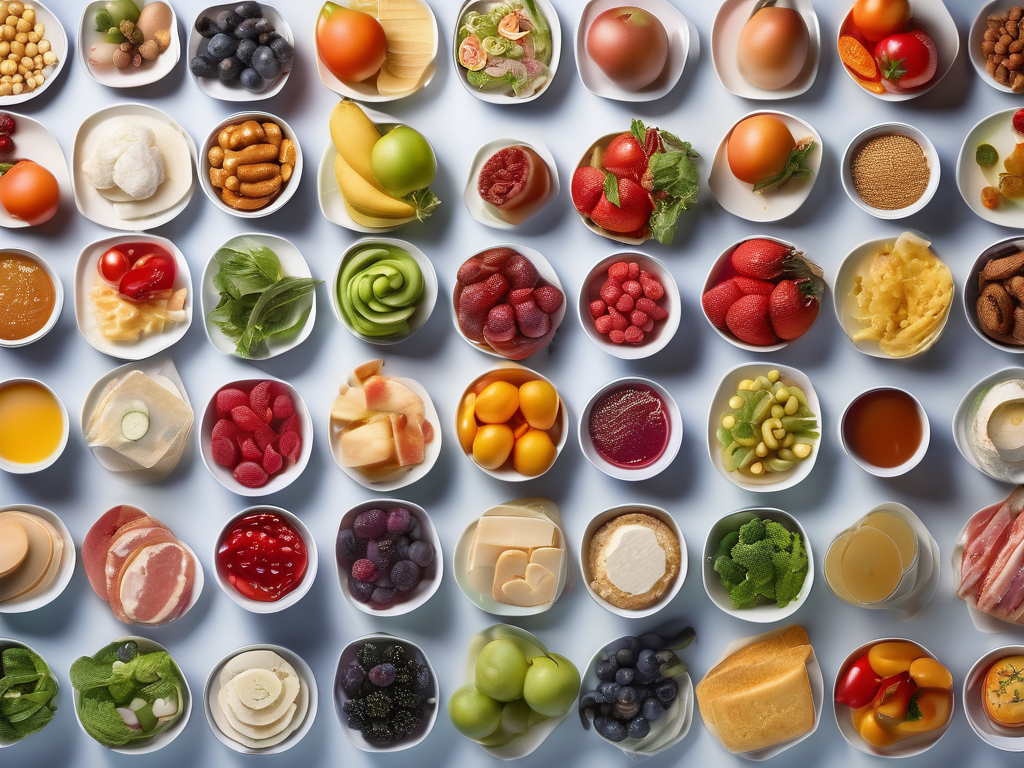
The Ultimate Guide to Sharing Food Safely Near Me
The Ultimate Guide to Sharing Food Safely Near Me
In today's fast-paced world, sharing food with neighbors, friends, or colleagues has become a common practice. Whether it's a potluck dinner, a bake sale, or simply bringing treats to the office, sharing food can create a sense of community and connection. However, with food safety being a top priority, it's essential to follow proper guidelines to ensure that the food you share is safe for consumption. In this comprehensive guide, we will explore the best practices for sharing food near you while prioritizing safety and hygiene.
Importance of Food Safety When Sharing Food
When sharing food with others, it's crucial to prioritize food safety to prevent foodborne illnesses and ensure that everyone enjoys the meal without any health risks. Here are some key reasons why food safety is essential when sharing food near you:
-
Prevent Foodborne Illnesses: Improper handling, storage, or cooking of food can lead to the growth of harmful bacteria, viruses, and parasites that can cause foodborne illnesses.
💡Proper cooking temperatures are essential for food safety. An instant-read food thermometer (Amazon) helps ensure meat reaches safe internal temperatures and reduces the risk of foodborne illness.
-
Maintain Good Hygiene: Maintaining proper hygiene practices while preparing and sharing food helps prevent cross-contamination and the spread of germs.
-
Build Trust: By following food safety guidelines, you demonstrate that you care about the well-being of others, building trust and credibility in your food-sharing initiatives.
Tips for Safe Food Sharing
Before Sharing Food:
Before you start sharing food with others, it's essential to take certain precautions to ensure that the food remains safe and free from contamination. Here are some tips to consider:
Refrigerator temperature fluctuations can accelerate spoilage and increase food safety risks. A refrigerator thermometer (Amazon) helps monitor consistent cold storage (40°F or below).
Food Preparation:
- Wash your hands thoroughly with soap and water before handling any food.
- Use clean utensils, cutting boards, and surfaces to prepare and cook food.
- Ensure that raw meats are stored separately from ready-to-eat foods to prevent cross-contamination.
Food Storage:
- Store perishable foods in the refrigerator at the correct temperature to prevent bacterial growth.
- Label containers with the date of preparation to track the freshness of the food.
- Avoid storing cooked food near raw food items to prevent contamination.
During Food Sharing:
When it's time to share the food you've prepared, there are certain practices you should follow to maintain food safety standards. Here are some tips for safe food sharing:
Serving:
- Use clean serving utensils to dish out food to prevent contamination.
- Keep hot foods hot (above 140°F) and cold foods cold (below 40°F) to maintain safe serving temperatures.
- Discard any perishable food that has been left out at room temperature for more than two hours.
Packaging:
- If packaging individual portions, use airtight containers to maintain freshness and prevent contamination.
- Label packaged food items with ingredients and allergen information for transparency.
After Sharing Food:
After the food-sharing event is over, it's essential to properly store any leftovers and clean up to ensure food safety. Here are some post-sharing tips to consider:
Leftovers:
- Refrigerate leftover food promptly to prevent spoilage and bacterial growth.
- Reheat leftovers to the proper temperature (165°F) before consuming them to kill any potential pathogens.
Cleaning:
- Wash serving dishes, utensils, and surfaces with hot, soapy water to remove any food residues.
- Sanitize cutting boards and countertops to prevent the spread of bacteria.
common situation
Sharing food can create wonderful memories, but it can also present challenges if safety isn't prioritized. Here are a couple of relatable situation:
The Office Bake Sale:
Imagine it’s a Friday at your workplace, and you're excited about the office bake sale. You whip up a batch of your famous chocolate chip cookies and carefully package them in a beautiful box. However, you forget to label the box with allergen information, and someone who is allergic to nuts unknowingly takes a cookie. This type of oversight can have serious consequences. Always label your baked goods to inform others of potential allergens, such as nuts, dairy, or gluten, to keep everyone safe.
The Block Party Potluck:
At a neighborhood block party, a neighbor brings a large bowl of potato salad. They set it out on the table, and everyone digs in. Hours later, some guests start feeling unwell. It turns out the potato salad was left out in the sun for too long, allowing bacteria to thrive. In this case, advising neighbors to keep an eye on food temperatures can be a lifesaver. Remind everyone to use coolers for items that need to stay cold and to keep hot dishes warmed using slow cookers or insulated containers.
Scientific Context of Food Safety
Food safety isn't just about knowing what to do; it’s also beneficial to understand why these practices are essential. Bacteria like Salmonella, E. coli, and Listeria can thrive at temperatures between 40°F and 140°F, often referred to as the "risks and considerations zone." When food is stored outside these temperatures, bacteria can multiply rapidly, leading to foodborne illnesses.
Moreover, the importance of proper cooking temperatures cannot be overstated. For instance, ground beef should be cooked to an internal temperature of 160°F to kill harmful pathogens. Using a food thermometer is a simple yet effective way to ensure that your food is safe to eat.
Common Mistakes When Sharing Food
Even the most experienced cooks can overlook important safety practices. Here are some common mistakes people make when sharing food:
-
Not Keeping Hot Foods Hot: Many people assume that food will stay hot enough just by being in a covered dish. A thermal serving dish or a slow cooker can help maintain temperature.
-
Ignoring Expiration Dates: Just because a food item looks okay doesn’t mean it’s safe to eat. Always check expiration dates and be mindful of how long an item has been in the fridge.
-
Assuming All Food is Safe After Cooking: While cooking can kill many pathogens, it doesn’t make dirty utensils clean. Be sure to use clean utensils and plates when serving cooked food.
Practical Tips for Safe Food Sharing
To enhance your food-sharing experience, consider these actionable tips:
-
Invest in a Food Thermometer: This small tool can be a game-changer for ensuring that your food reaches safe temperatures.
-
Have a First Aid Kit on Hand: If you're sharing food at an outdoor event, accidents can happen. A basic first aid kit ensures you're prepared for minor injuries.
-
Use Color-coded Cutting Boards: This helps prevent cross-contamination. Use one board for raw meats and another for fruits or vegetables.
Expert Insights and Recommendations
Food safety experts recommend keeping the "Two-Hour Rule" in mind: food should not be left out at room temperature for more than two hours. At outdoor events, this time reduces to just one hour if the temperature exceeds 90°F. Always err on the side of caution; if you're unsure whether food is safe, it’s best to discard it.
Additionally, consider how you transport food. If you're bringing dishes that need to be served hot or cold, using insulated bags can help maintain temperature during transport.
Safety Warnings
As you prepare to share food, keep these important cautions in mind:
-
Be Mindful of Food Allergies: Always ask about food allergies before cooking for others, and be transparent about ingredients.
-
Avoid Preparing Food When Unwell: If you're feeling sick, especially if you have gastrointestinal symptoms, it's best to refrain from preparing food for others.
-
Use Separate Utensils: At gatherings, encourage guests to use separate utensils for serving food from common dishes to minimize the risk of contamination.
Conclusion
Sharing food near you can be a delightful experience that fosters connections and creates memorable moments. By following proper food safety practices before, during, and after sharing food, you can ensure that everyone enjoys the meal without any health risks. Prioritizing hygiene, proper storage, and safe serving temperatures are key aspects of maintaining food safety when sharing food with others. Remember, a little care and attention to detail can go a long way in ensuring a safe and enjoyable food-sharing experience for everyone involved. Stay safe, stay healthy, and happy sharing!
Next time you plan to share food near you, remember these tips to make the experience enjoyable and safe for all. Happy sharing!
Authoritative Food Safety References
These agencies and university labs inform every tip and health precaution we publish.
USDA FoodKeeper – Cold Storage Guidelines
Official refrigerator, freezer, and pantry timelines maintained by the U.S. Department of Agriculture.
Visit USDA FoodKeeperFDA Produce Safety Rule & Grower Guidance
Field-to-fridge handling practices that prevent contamination of fruits, vegetables, and leafy greens.
Visit FDA Produce SafetyCDC Foodborne Illness Prevention Hub
Surveillance-backed guidance on pathogens, symptoms, and steps to reduce foodborne illness risk.
Visit CDC Food SafetyUC Davis Postharvest Technology Center
University research detailing optimal storage atmospheres for produce after harvest.
Visit UC Davis PostharvestPenn State Extension – Home Food Preservation & Safety
Peer-reviewed extension bulletins on safe canning, chilling, and reheating practices.
Visit Penn State ExtensionFrequently Asked Questions
What are some tips for preventing foodborne illness when sharing food?
How can I maintain food safety when hosting a potluck or party?
What are some best practices for transporting food to a shared gathering?
How can I ensure that food is handled safely at a community event or potluck?
Citations
Disclosure: As an Amazon Associate, we earn from qualifying purchases. This helps support our site and allows us to continue providing free food safety information.