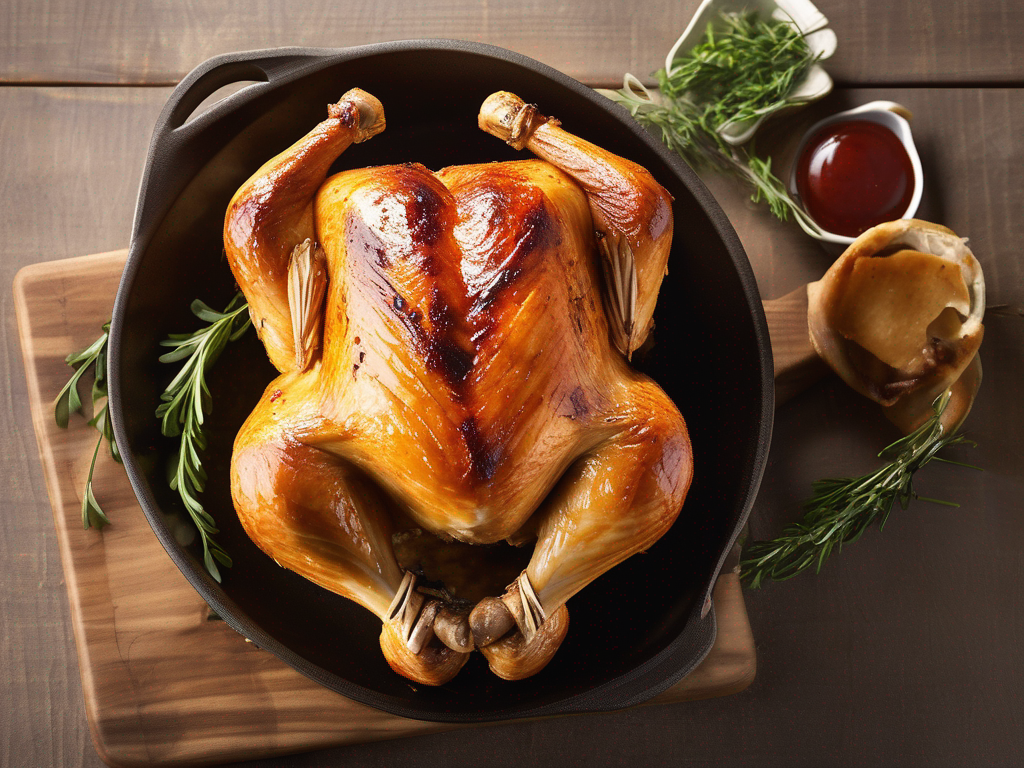
The Ultimate Guide to Rotisserie Chicken Shelf Life
The Ultimate Guide to Rotisserie Chicken Shelf Life
Rotisserie chicken is a convenient and delicious option for a quick meal, but how long can you safely store it in the refrigerator? In this comprehensive guide, we will explore the shelf life of rotisserie chicken, provide tips on storage and food safety, and answer common questions about this popular food item. (Rotisserie chicken)
Understanding Rotisserie Chicken Shelf Life
Rotisserie chicken is a cooked chicken that is typically prepared in a rotisserie oven, resulting in juicy and flavorful meat with crispy skin. When properly stored, rotisserie chicken can be enjoyed for several days. However, it is important to be mindful of its shelf life to prevent foodborne illnesses.
Factors Affecting Shelf Life
Several factors can impact the shelf life of rotisserie chicken, including:
Proper cooking temperatures are essential for food safety. An instant-read food thermometer (Amazon) helps ensure meat reaches safe internal temperatures and reduces the risk of foodborne illness.
- Storage Temperature: Refrigeration is key to extending the shelf life of rotisserie chicken. The chicken should be stored at a temperature below 40°F (4°C).
- Packaging: Proper packaging, such as airtight containers or plastic wrap, can help maintain the chicken's freshness.
- Handling: Avoid cross-contamination by using clean utensils and storing the chicken away from raw meats.
- Expiration Date: Check the expiration date on the packaging and consume the chicken before it expires.
Rotisserie Chicken Storage Tips
To maximize the shelf life of rotisserie chicken and ensure its safety, follow these storage tips:
Refrigeration
- Store Promptly: Refrigerate the rotisserie chicken within two hours of purchase or preparation.
- Proper Packaging: Transfer the chicken to a clean container or wrap it tightly in plastic wrap before refrigerating.
- Shelf Placement: Store the chicken on a shelf, not in the refrigerator door, where temperatures fluctuate.
Freezing
- Portioning: If you have leftover rotisserie chicken, consider portioning it before freezing to make it easier to thaw and reheat.
- Freezer Bags: Use freezer-safe bags or containers to protect the chicken from freezer burn.
- Labeling: Clearly label the frozen chicken with the date to track its freshness.
Reheating
- Thawing: Thaw frozen rotisserie chicken in the refrigerator overnight or using the defrost setting on the microwave.
- Safe Reheating: Reheat the chicken to an internal temperature of 165°F (74°C) to kill any bacteria.
- Avoid Reheating: Do not reheat rotisserie chicken more than once to prevent bacterial growth.
common situation
Busy Weeknight Dinner
Imagine it's a busy Monday evening. You've just returned home from work, and the kids are hungry. You pull out a rotisserie chicken you picked up at the grocery store over the weekend. You remember that you stored it properly in the fridge, so you feel relieved knowing that you can whip up a quick dinner. You shred some of the chicken, mix it with veggies, and toss it into a pasta dish that comes together in under 30 minutes. The kids love it, and you didn't have to spend hours in the kitchen!
Weekend Picnic
Now picture this: it's a sunny Saturday, and your friends invite you for a picnic at the park. You decide to bring a delicious rotisserie chicken as your main dish. Before heading out, you carefully pack the chicken in a cooler with ice packs to keep it at a safe temperature. You enjoy the day, savoring the chicken with friends and sharing leftover pieces with those who couldn't make it. The day ends with full bellies and happy memories.
Refrigerator temperature fluctuations can accelerate spoilage and increase food safety risks. A refrigerator thermometer (Amazon) helps monitor consistent cold storage (40°F or below).
Leftover Lunches
Consider another situation: it's Tuesday morning, and you're getting ready for work. You have some leftover rotisserie chicken in the fridge from last night's dinner. You quickly slice up the chicken and toss it on a bed of fresh greens with your favorite dressing. You pack it in a reusable container, knowing you'll have a healthy and satisfying lunch to look forward to. This not only saves you money but also helps you avoid the temptation of unhealthy takeout options.
Scientific Context
The Science of Spoilage
Understanding the science behind food spoilage can help you better appreciate the importance of proper storage. The primary culprits of spoilage are bacteria, which thrive at temperatures between 40°F and 140°F (4°C to 60°C). When rotisserie chicken sits out too long, bacteria such as Salmonella and Staphylococcus aureus can grow rapidly, leading to foodborne illnesses.
Temperature Control
Keeping your rotisserie chicken at the right temperature is essential. The USDA recommends using a food thermometer to ensure that your chicken reaches a safe internal temperature of 165°F (74°C) when reheating. This not only protects you from harmful bacteria but also ensures that your chicken remains juicy and flavorful.
Nutritional Information
Beyond food safety, rotisserie chicken can be a nutritious choice. It is a great source of protein, providing essential nutrients needed for muscle repair and overall health. In fact, a 3-ounce serving of rotisserie chicken can deliver about 25 grams of protein with minimal carbohydrates, making it an excellent option for those looking to maintain a healthy diet. Additionally, using the skin can add flavor but also increase the fat content, so consider your dietary preferences when enjoying your chicken.
Frequently Asked Questions About Rotisserie Chicken
1. How Long Can You Keep Rotisserie Chicken in the Refrigerator?
- Unopened: An unopened package of rotisserie chicken can be stored in the refrigerator for 3-4 days.
- Opened: Once opened, consume the chicken within 2-3 days for the best quality.
2. Can You Freeze Rotisserie Chicken?
Yes, you can freeze rotisserie chicken to extend its shelf life. Properly wrapped and stored rotisserie chicken can last in the freezer for up to 4 months.
3. How Can You Tell If Rotisserie Chicken Has Gone Bad?
- Smell: If the chicken has a sour or off-smelling odor, it is likely spoiled.
- Texture: Slimy or sticky texture indicates spoilage.
- Color: Discoloration or mold growth are signs of spoilage.
Common Mistakes to Avoid
1. Leaving Chicken Out Too Long
One common mistake people make is leaving rotisserie chicken out for too long after purchase or preparation. Remember, bacteria multiply quickly at room temperature. It's best to refrigerate or freeze it as soon as possible.
2. Not Using Airtight Containers
Another oversight is using inadequate packaging for storing rotisserie chicken. Many people simply place the chicken back in the original packaging, which often isn’t airtight. Instead, opt for a tightly sealed container or wrap it securely in plastic wrap to maintain freshness.
3. Overlooking the Freezer
Many people don't realize that freezing leftover rotisserie chicken is a game-changer. If you're not planning to eat the chicken within a few days, freezing can prevent waste and offer a convenient meal option later on.
4. Ignoring the "Use By" Dates
Often, people assume that rotisserie chicken is fine to consume as long as it doesn’t have an obvious spoilage sign, but this is a misconception. Always pay attention to those "use by" or "sell by" dates to ensure you're consuming it at its best quality.
Expert Insights
Recommendations from Food Safety Experts
Food safety experts emphasize the importance of following not just the "smell test" but also adhering to guidelines for food storage. The CDC states that proper food handling and storage can prevent foodborne illnesses. Remember to always wash your hands before handling food and to use separate utensils for raw and cooked items to avoid cross-contamination.
Experts also recommend having a dedicated thermometer in your kitchen for checking both refrigerator and food temperatures. This small investment can save you from potential health hazards. Keeping a food diary can also be a useful tool; noting when you opened the rotisserie chicken or prepared meals can help you track freshness.
Practical Tips for Enjoying Rotisserie Chicken
- Creative Uses: Don’t just think of rotisserie chicken for sandwiches! Use it in tacos, salads, soups, or stir-fries to make the most of your leftovers.
- Mix and Match: Pair your chicken with different sauces or sides to keep meals interesting throughout the week.
- Freeze Smart: If you're freezing, consider freezing in smaller portions. This way, you can pull out just what you need for a single meal without thawing the whole batch.
- Make Stock: Don’t toss the bones! After enjoying your chicken, save the carcass to make a rich and flavorful chicken stock, which can be used in soups or sauces.
Conclusion
In conclusion, knowing how to properly store and handle rotisserie chicken is essential for food safety. By following the tips outlined in this guide and being mindful of the chicken's shelf life, you can enjoy this convenient meal option without compromising your health. Remember to refrigerate or freeze the chicken promptly, reheat it safely, and always check for signs of spoilage before consuming. With these guidelines in mind, you can make the most of your rotisserie chicken while keeping foodborne illnesses at bay. [rotisserie chicken](/food/rotisserie chicken) (Rotisserie chicken)
Related Posts
Here are some other articles you might find helpful:
Authoritative Food Safety References
These agencies and university labs inform every tip and health precaution we publish.
USDA FoodKeeper – Cold Storage Guidelines
Official refrigerator, freezer, and pantry timelines maintained by the U.S. Department of Agriculture.
Visit USDA FoodKeeperFDA Produce Safety Rule & Grower Guidance
Field-to-fridge handling practices that prevent contamination of fruits, vegetables, and leafy greens.
Visit FDA Produce SafetyCDC Foodborne Illness Prevention Hub
Surveillance-backed guidance on pathogens, symptoms, and steps to reduce foodborne illness risk.
Visit CDC Food SafetyUC Davis Postharvest Technology Center
University research detailing optimal storage atmospheres for produce after harvest.
Visit UC Davis PostharvestPenn State Extension – Home Food Preservation & Safety
Peer-reviewed extension bulletins on safe canning, chilling, and reheating practices.
Visit Penn State ExtensionDisclosure: As an Amazon Associate, we earn from qualifying purchases. This helps support our site and allows us to continue providing free food safety information.