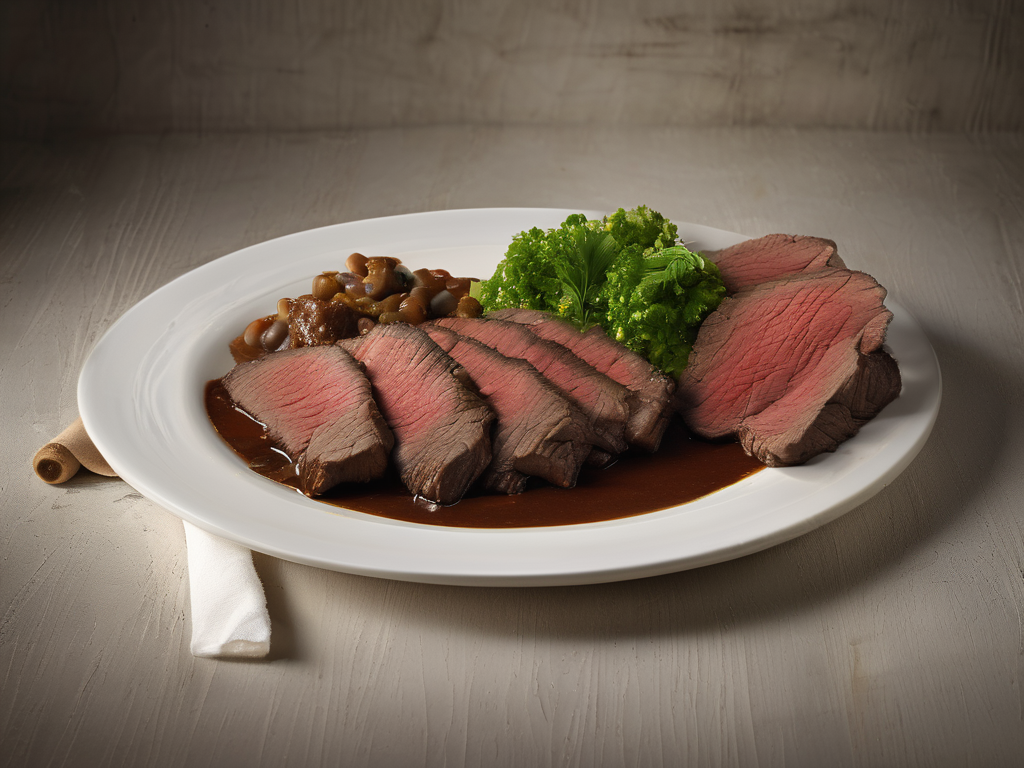
Quick Ways to Extend the Shelf Life of Bison
Quick Ways to Extend the Shelf Life of Bison
Bison meat is a nutritious and lean option for those looking to incorporate more protein into their diet. However, like any other meat, bison needs to be stored properly to ensure its freshness and prevent spoilage. In this blog post, we will discuss quick and easy ways to extend the shelf life of bison, keeping it safe for consumption and delicious for longer. (Bison)
Understanding the Shelf Life of Bison
Before diving into storage methods, it is crucial to understand the factors that influence the shelf life of bison meat. Several key factors can impact the freshness and longevity of bison, including:
- Temperature: Keeping bison at the right temperature is essential to prevent bacterial growth and spoilage.
- Packaging: Proper packaging can help protect bison from exposure to air and contaminants.
- Storage Time: The longer bison is stored, the higher the risk of spoilage.
- Handling: Hygienic handling practices can help maintain the quality and safety of bison meat.
By addressing these factors effectively, you can maximize the shelf life of bison and enjoy it for longer periods.
Proper cooking temperatures are essential for food safety. An instant-read food thermometer (Amazon) helps ensure meat reaches safe internal temperatures and reduces the risk of foodborne illness.
Tips to Extend the Shelf Life of Bison
1. Proper Refrigeration
- Store at the Right Temperature: Keep bison meat refrigerated at temperatures below 40°F (4°C) to slow down bacterial growth.
- Use a Refrigerator Thermometer: Ensure your refrigerator is set to the correct temperature to maintain the freshness of bison.
2. Optimal Freezing Techniques
- Wrap and Seal: Properly wrap bison meat in airtight packaging or freezer bags to prevent freezer burn and maintain quality.
- Label and Date: Always label and date the packages to track storage time and prioritize the consumption of older cuts first.
3. Safe Thawing Practices
- Refrigerator Thawing: Thaw bison in the refrigerator to ensure a gradual thawing process and minimize the growth of harmful bacteria.
- Cold Water Thawing: If needed, you can use the cold water thawing method by submerging the sealed bison in cold water, changing the water every 30 minutes.
4. Proper Handling and Hygiene
- Clean Surfaces: Always ensure that cutting boards, knives, and utensils used for handling bison are clean and sanitized.
- Handwashing: Practice proper handwashing before and after handling bison to prevent cross-contamination.
5. Storage Duration
- Follow Use-By Dates: Adhere to the use-by dates provided on the packaging or by the butcher to ensure the bison is consumed within the recommended time frame.
- Freeze Excess Meat: If you are not planning to consume the bison within a few days, consider freezing it to extend its shelf life.
Conclusion
In conclusion, by following these quick and simple tips, you can effectively extend the shelf life of bison meat and enjoy its nutritional benefits for longer periods. Proper refrigeration, optimal freezing techniques, safe thawing practices, handling hygiene, and monitoring storage duration are key aspects to consider when storing bison. By prioritizing food safety and storage guidelines, you can savor the flavors of bison while ensuring its freshness and quality. Remember, a little care in storage goes a long way in preserving the deliciousness of bison meat.
For more information on bison and its culinary uses, visit our main bison page. Stay informed, stay safe, and savor the goodness of bison! (Bison)
Related Posts
Here are some other articles you might find helpful:
Refrigerator temperature fluctuations can accelerate spoilage and increase food safety risks. A refrigerator thermometer (Amazon) helps monitor consistent cold storage (40°F or below).
Authoritative Food Safety References
These agencies and university labs inform every tip and health precaution we publish.
USDA FoodKeeper – Cold Storage Guidelines
Official refrigerator, freezer, and pantry timelines maintained by the U.S. Department of Agriculture.
Visit USDA FoodKeeperFDA Produce Safety Rule & Grower Guidance
Field-to-fridge handling practices that prevent contamination of fruits, vegetables, and leafy greens.
Visit FDA Produce SafetyCDC Foodborne Illness Prevention Hub
Surveillance-backed guidance on pathogens, symptoms, and steps to reduce foodborne illness risk.
Visit CDC Food SafetyUC Davis Postharvest Technology Center
University research detailing optimal storage atmospheres for produce after harvest.
Visit UC Davis PostharvestPenn State Extension – Home Food Preservation & Safety
Peer-reviewed extension bulletins on safe canning, chilling, and reheating practices.
Visit Penn State ExtensionDisclosure: As an Amazon Associate, we earn from qualifying purchases. This helps support our site and allows us to continue providing free food safety information.