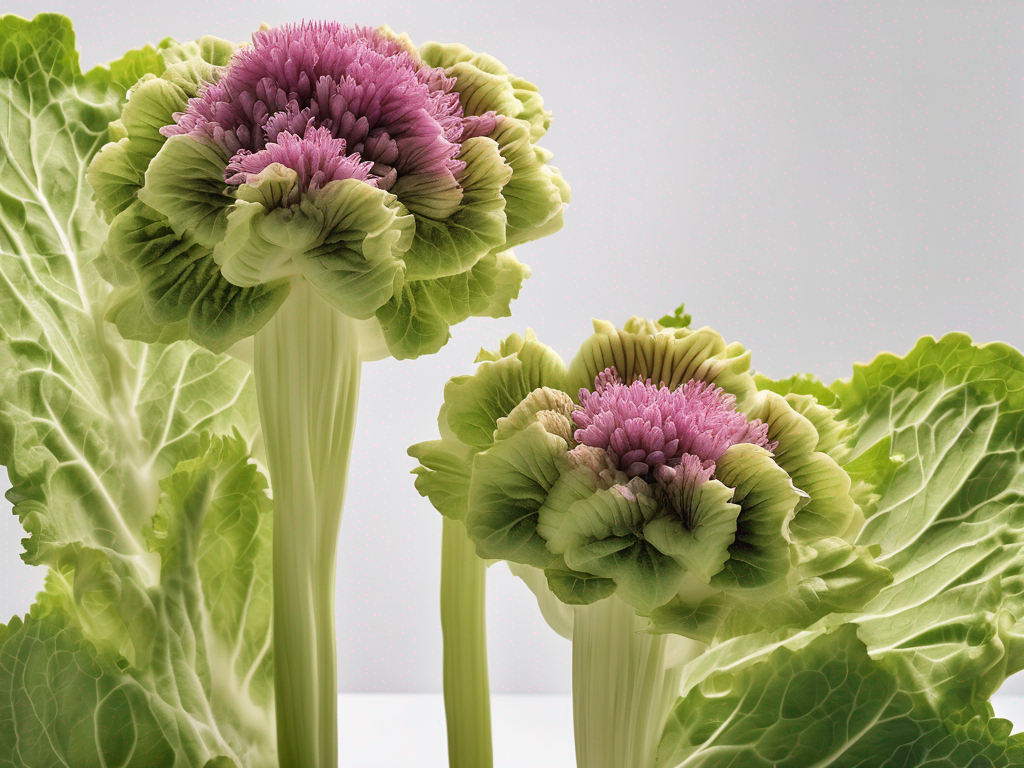
Maximizing Shelf Life: Proper Storage Tips for Giant Butterbur
CanIEatExpired.com Team
# Maximizing Shelf Life: Proper Storage Tips for Giant Butterbur

## Maximizing Shelf Life: Proper Storage Tips for Giant Butterbur

Giant Butterbur, also known as *Petasites japonicus*, is a popular vegetable in Asian cuisine known for its unique flavor and nutritional benefits. To fully enjoy this vegetable and extend its shelf life, proper storage techniques are essential. In this blog post, we will discuss practical tips and safety information to help you store Giant Butterbur effectively. ([Giant butterbur](https://canieatexpired.com/food/giant-butterbur))

## Understanding Giant Butterbur

Before delving into storage tips, let's first understand what Giant Butterbur is. Giant Butterbur is a perennial plant that belongs to the Asteraceae family. Its large, heart-shaped leaves and thick stems are commonly used in various dishes, such as stir-fries, soups, and salads. Giant Butterbur is rich in vitamins, minerals, and antioxidants, making it a valuable addition to a healthy diet.

### Nutritional Benefits of Giant Butterbur
- High in vitamin K, which is essential for blood clotting and bone health
- Rich in antioxidants that help combat oxidative stress
- Good source of fiber for digestive health
- Contains minerals like calcium and magnesium for overall well-being

## Proper Storage Tips for Giant Butterbur

To preserve the freshness and flavor of Giant Butterbur, follow these storage tips:

### 1. Selection:
- Choose fresh Giant Butterbur with crisp, vibrant green leaves and firm stems.
- Avoid wilted or yellowing leaves, as they indicate spoilage.

### 2. Washing and Drying:
- Rinse Giant Butterbur thoroughly under cold running water to remove dirt and debris.
- Gently pat the leaves and stems dry with a clean kitchen towel or paper towels to remove excess moisture.

### 3. Refrigeration:
- Store Giant Butterbur in the vegetable crisper drawer of the refrigerator.
- Place the Giant Butterbur in a perforated plastic bag or wrap it in a damp paper towel to maintain humidity levels.

### 4. Shelf Life:
- Fresh Giant Butterbur can be stored in the refrigerator for up to 3-4 days.
- To prolong shelf life, consider blanching and freezing Giant Butterbur for future use.

### 5. Freezing Giant Butterbur:
- Blanch the Giant Butterbur in boiling water for 1-2 minutes, then immediately transfer it to an ice bath to stop the cooking process.
- Drain the Giant Butterbur and pat it dry before portioning it into airtight freezer-safe containers or bags.
- Frozen Giant Butterbur can be stored for up to 6 months and used in soups, stews, and other dishes.

## common situation

### A Culinary Adventure
Imagine you’ve just returned from the local farmers' market, bags full of fresh produce in hand. Among them is a bunch of Giant Butterbur, its large leaves still glistening with moisture. You’re excited to try a new stir-fry recipe you found online. However, as the week progresses, you realize life gets in the way. With work and family commitments, it’s easy to forget about that beautiful butterbur. By following proper storage tips, such as refrigerating it promptly and considering freezing if you can't use it in time, you ensure that this delightful vegetable doesn’t go to waste.

### The Unexpected Guest
Picture this: You’ve planned a dinner party for friends and decided to impress them with a special dish featuring Giant Butterbur. You run to the store to grab some, but when you get home, you realize you’ve left it on the counter for hours. Many people don’t realize that even a short period at room temperature can affect the quality of vegetables. Proper storage means placing it in the fridge right away and using it within a few days for the freshest flavor.

## Common Mistakes in Storing Giant Butterbur

Many individuals overlook the importance of proper ventilation when storing Giant Butterbur. A common error is sealing the vegetable tightly in plastic without any airflow. This traps moisture and can lead to spoilage. Instead, using a perforated bag allows the vegetable to breathe, maintaining the right moisture levels.

Another frequent mistake is washing the Giant Butterbur before storage. While it’s essential to clean your produce, washing it beforehand can introduce excess moisture that promotes mold growth. It’s best to wash it just before use.

## Safety Precautions

When storing and handling Giant Butterbur, keep the following safety precautions in mind:

- Always wash your hands before and after handling Giant Butterbur to prevent cross-contamination.
- Use separate cutting boards and utensils for Giant Butterbur to avoid any potential contamination with harmful bacteria.
- Discard any Giant Butterbur that shows signs of mold, slime, or off odors, as these are indicators of spoilage.

### Important Cautions
It's essential to be aware that Giant Butterbur contains pyrrolizidine alkaloids, which can be harmful in large quantities. Always consume it in moderation and consult with a healthcare professional if you have concerns, especially if you’re pregnant or have liver issues.

## The Science Behind Food Preservation

Understanding the science of food preservation can help you make better choices when it comes to storing Giant Butterbur. The primary goal of proper storage is to slow down the degradation process caused by enzymes, bacteria, and molds. Refrigeration slows the metabolic processes of fruits and vegetables, thereby extending their shelf life.

In addition, blanching before freezing is crucial. This process inactivates enzymes that can lead to discoloration and loss of flavor. Many people are surprised to learn that freezing does not kill bacteria but instead inhibits their growth. This is why it’s important to handle your Giant Butterbur safely before freezing.

## Expert Insights on Nutritional Value

Nutritionists often emphasize the importance of consuming a variety of vegetables to ensure a balanced diet. Giant Butterbur stands out not only for its unique taste but also its impressive nutritional profile. It is particularly high in vitamin K, which plays a critical role in bone metabolism and blood clotting. Incorporating this vegetable into your meals can contribute to overall health.

Despite its benefits, it's essential to be cautious. The leaves contain natural compounds that have been studied for potential health risks if consumed in excessive amounts. Therefore, moderation is key. Engaging with a dietitian can provide personalized recommendations based on your dietary needs.

## Conclusion

Proper storage of Giant Butterbur is essential to maintain its freshness, flavor, and nutritional value. By following the tips outlined in this blog post, you can extend the shelf life of Giant Butterbur and enjoy its culinary benefits for longer periods. Remember to select fresh Giant Butterbur, refrigerate it properly, and consider freezing for future use. With these storage techniques, you can make the most of this versatile and nutritious vegetable in your cooking.

For more information about Giant Butterbur and other food storage tips, visit our [Giant Butterbur page](/food/giant butterbur). Stay tuned for our upcoming blog posts on food safety and culinary insights! ([Giant butterbur](https://canieatexpired.com/food/giant-butterbur))

## Related Posts

Here are some other articles you might find helpful:

- [How to Prevent Mold on Giant Butterbur to Avoid Waste](/blog/how-to-prevent-mold-on-giant-butterbur-to-avoid-waste)
- [The Health Risks of Consuming Expired Giant Butterbur](/blog/are-there-any-health-risks-associated-with-consuming-expired-giant-butterbur)
- [Preserving Giant Butterbur for Extended Storage: Tips and Techniques](/blog/what-is-the-best-way-to-preserve-giant-butterbur-for-extended-storage)
Authoritative Food Safety References
These agencies and university labs inform every tip and health precaution we publish.
USDAOfficial guidance
USDA FoodKeeper – Cold Storage Guidelines
Official refrigerator, freezer, and pantry timelines maintained by the U.S. Department of Agriculture.
Visit USDA FoodKeeperFDAOfficial guidance
FDA Produce Safety Rule & Grower Guidance
Field-to-fridge handling practices that prevent contamination of fruits, vegetables, and leafy greens.
Visit FDA Produce SafetyCDCOfficial guidance
CDC Foodborne Illness Prevention Hub
Surveillance-backed guidance on pathogens, symptoms, and steps to reduce foodborne illness risk.
Visit CDC Food SafetyResearchUniversity research
UC Davis Postharvest Technology Center
University research detailing optimal storage atmospheres for produce after harvest.
Visit UC Davis PostharvestResearchUniversity research
Penn State Extension – Home Food Preservation & Safety
Peer-reviewed extension bulletins on safe canning, chilling, and reheating practices.
Visit Penn State ExtensionDisclosure: As an Amazon Associate, we earn from qualifying purchases. This helps support our site and allows us to continue providing free food safety information.
Our articles are created using a combination of AI assistance and human review. All food safety information is based on USDA guidelines and credible sources. Learn more about our review process here.