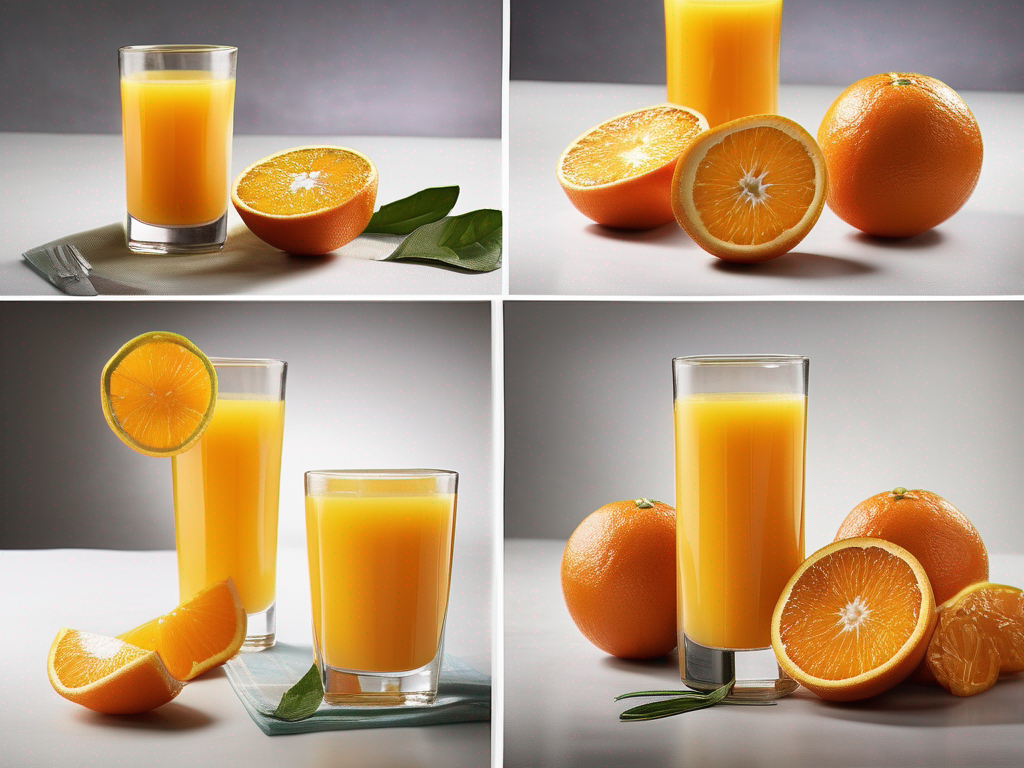
The Ultimate Guide to Orange Juice Expiration Date
The Ultimate Guide to Orange Juice Expiration Date
Are you someone who loves starting their day with a refreshing glass of orange juice? If so, you may have wondered about the expiration date on that carton of orange juice sitting in your fridge. In this comprehensive guide, we will dive into everything you need to know about orange juice expiration dates – from understanding what they mean to practical tips on how to ensure your orange juice stays safe to consume. (Orange juice)
What Does the Expiration Date on Orange Juice Mean?
When you grab a carton of orange juice from the grocery store, you'll notice an expiration date stamped on the packaging. This date is determined by the manufacturer and is an indicator of how long the orange juice is expected to retain its freshness and quality. Here's what you need to know about expiration dates on orange juice:
Types of Expiration Dates:
- Sell-By Date: This date is a guide for retailers, indicating how long they should display the product for sale. It is not a safety date.
- Use-By Date: This date is the manufacturer's recommendation for when the product should be consumed for the best quality.
- Best If Used By/Before Date: This date suggests when the product will be at its peak quality, but it is not a safety date.
Factors Affecting Orange Juice Shelf Life
Several factors can impact the shelf life of orange juice. Understanding these factors can help you determine how long your orange juice will stay fresh:
Seafood is highly perishable and requires consistent cold storage. A refrigerator thermometer (Amazon) helps ensure your refrigerator maintains safe temperatures (40°F or below) to prevent spoilage.
1. Packaging:
- Sealed containers like cartons or bottles can help prolong the shelf life of orange juice.
- Once opened, reseal the container tightly or transfer the juice to an airtight container to maintain freshness.
2. Storage Conditions:
- Refrigeration: Orange juice should be stored in the refrigerator at all times to slow down the growth of bacteria.
- Temperature: Keep the refrigerator temperature at 40°F (4°C) or below for optimal storage.
3. Exposure to Light:
- UV light can degrade the quality of orange juice over time. Store the juice in a dark place or opaque container to prevent light exposure.
How to Tell If Orange Juice Has Gone Bad
While the expiration date is a good indicator of when the orange juice may start to lose quality, it's essential to know how to spot signs of spoilage. Here are some common indicators that your orange juice has gone bad:
Signs of Spoilage:
- Mold: Visible mold growth on the surface of the juice.
- Off Odor: A sour or fermented smell.
- Off Taste: The juice tastes sour, bitter, or different from its usual flavor.
- Change in Color: The juice appears darker or has an unusual color.
common situation
Imagine this: It's a Sunday morning, and you’re preparing brunch for your friends. You confidently pour out a glass of orange juice, only to notice it has a strange smell. You realize that the juice was opened well over a week ago, and you've forgotten about it in the back of the fridge. This situation highlights the importance of being mindful about the expiration dates and understanding the signs of spoilage.
Another common situation arises when you might find a bottle of orange juice in your pantry that you bought on a whim. You think, “It should be fine, right?” However, if the juice has been sitting unrefrigerated for too long, it could pose a risk to your health.
Proper packaging is crucial when freezing seafood. Using freezer-safe storage bags (Amazon) helps preserve texture, prevent freezer burn, and maintain quality during storage.
A Practical Example
Common situations include mom who buys a large container of orange juice to keep her kids hydrated during the week. She checks the expiration date and stores it in the fridge. However, by the end of the week, she forgets to check for spoilage before serving it with breakfast one morning. This situation emphasizes the importance of regularly checking expiration dates, even on products that seem safe.
Safety Tips for Storing Orange Juice
To ensure your orange juice stays fresh and safe to consume, follow these practical tips for storage:
1. Refrigerate Promptly:
- Always refrigerate orange juice promptly after purchase or opening to maintain its quality.
2. Check the Temperature:
- Monitor your refrigerator's temperature regularly to ensure it stays at or below 40°F (4°C).
3. Use Clean Glasses:
- When pouring orange juice, use clean glasses to prevent contamination.
4. Avoid Cross-Contamination:
- Do not use the same glass or straw for drinking directly from the container to prevent introducing bacteria.
5. Follow Storage Guidelines:
- Check the packaging for specific storage instructions and follow them diligently.
6. Consider Smaller Containers:
- If you find that you often don't finish a large carton of orange juice before it spoils, consider purchasing smaller containers. This way, you can minimize waste and ensure the juice is consumed while still fresh.
Common Mistakes in Orange Juice Storage
Many people unknowingly make mistakes that can lead to premature spoilage of their orange juice. One common mistake is not sealing the container tightly after opening. Air exposure can lead to oxidation, which not only affects the taste but can also encourage the growth of bacteria.
Another mistake is storing orange juice in the door of the refrigerator. The door is the warmest part of the fridge, and frequently opening and closing it can cause temperature fluctuations that can spoil the juice more quickly. Instead, keep your orange juice on a shelf in the main compartment of the refrigerator where the temperature remains more stable.
Scientific Context of Orange Juice Preservation
The science behind food preservation is fascinating. Orange juice, like many fruit juices, contains natural sugars and acids, which can act as preservatives. However, once the juice is exposed to air (oxidation), these compounds can break down, leading to spoilage.
Unpasteurized orange juice is particularly susceptible to harmful bacteria such as Salmonella and E. coli. Pasteurization, a process that heats the juice to eliminate pathogens, extends its shelf life and makes it safer for consumption. If you're ever in doubt, remember that commercially produced orange juice is typically safer due to this process.
Nutritional Considerations
While orange juice can be a delightful addition to your breakfast table, it's essential to consider its nutritional content. Freshly squeezed orange juice is an excellent source of vitamin C, potassium, and folate. However, it is also relatively high in sugar. Moderation is key!
If you're looking to enjoy the benefits of orange juice without the excess sugar, consider diluting it with water or mixing it with other fruit juices. This can help maintain the flavor while reducing overall sugar intake, making it a healthier choice.
Expert Insights on Orange Juice Safety
Food safety experts recommend that consumers always check the expiration date, but they also emphasize the importance of using sensory evaluation—your senses can be your best tool. If the juice smells or tastes off, even if you’re within the expiration date, it’s best to toss it.
Experts also advise keeping a food inventory in your fridge. This simple practice can remind you to consume items that are closer to their expiration dates, reducing food waste and ensuring you have fresh juice whenever you want it.
Conclusion
In conclusion, understanding the expiration date on your orange juice can help you make informed decisions about its freshness and safety. By following proper storage guidelines and knowing how to spot signs of spoilage, you can enjoy your orange juice while ensuring it remains safe to consume. Remember, when in doubt, it's best to err on the side of caution and discard any orange juice that shows signs of spoilage. Cheers to enjoying a glass of fresh orange juice every morning! (Orange juice)
Related Posts
Here are some other articles you might find helpful:
Authoritative Food Safety References
These agencies and university labs inform every tip and health precaution we publish.
USDA FoodKeeper – Cold Storage Guidelines
Official refrigerator, freezer, and pantry timelines maintained by the U.S. Department of Agriculture.
Visit USDA FoodKeeperFDA Produce Safety Rule & Grower Guidance
Field-to-fridge handling practices that prevent contamination of fruits, vegetables, and leafy greens.
Visit FDA Produce SafetyCDC Foodborne Illness Prevention Hub
Surveillance-backed guidance on pathogens, symptoms, and steps to reduce foodborne illness risk.
Visit CDC Food SafetyUC Davis Postharvest Technology Center
University research detailing optimal storage atmospheres for produce after harvest.
Visit UC Davis PostharvestPenn State Extension – Home Food Preservation & Safety
Peer-reviewed extension bulletins on safe canning, chilling, and reheating practices.
Visit Penn State ExtensionDisclosure: As an Amazon Associate, we earn from qualifying purchases. This helps support our site and allows us to continue providing free food safety information.