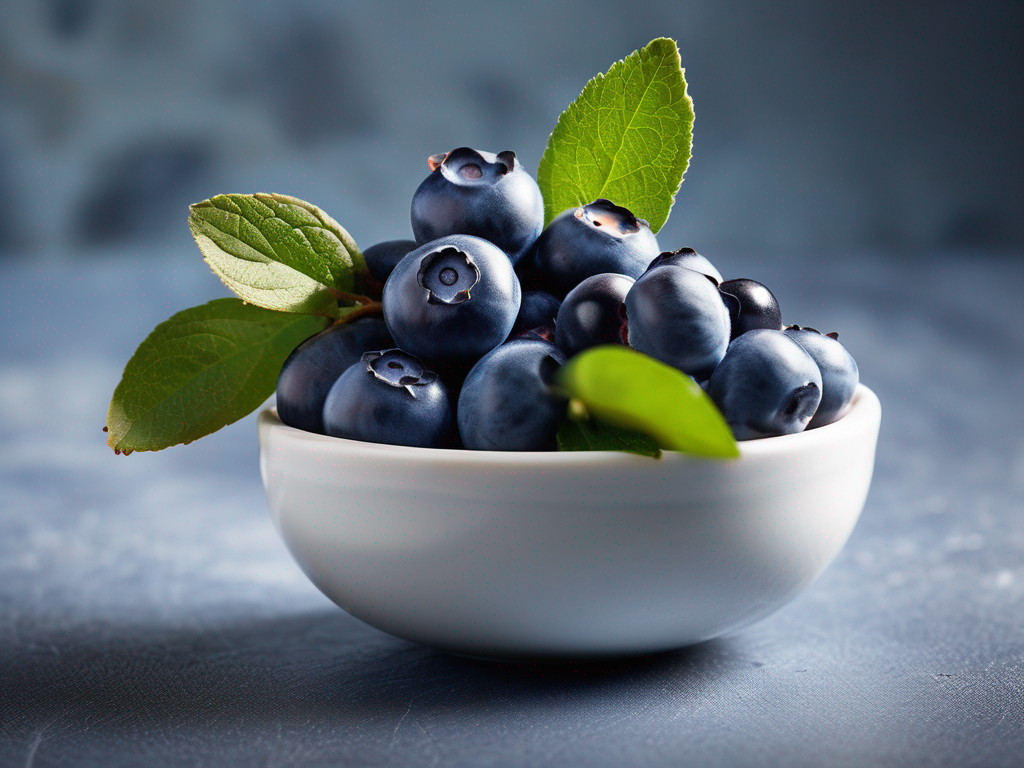
Optimal Storage Conditions for Half Highbush Blueberries to Prevent Mold
CanIEatExpired.com Team
# Optimal Storage Conditions for Half Highbush Blueberries to Prevent Mold

Half highbush blueberries are a delightful and nutritious fruit that can be enjoyed fresh, frozen, or in various culinary creations. These berries are known for their sweet and tangy flavor, making them a popular choice for snacking, baking, and adding to salads. However, like all fresh produce, half highbush blueberries are prone to mold if not stored properly. In this blog post, we will explore the optimal storage conditions for half highbush blueberries to prevent mold and ensure their freshness and quality. ([Half highbush blueberry](https://canieatexpired.com/food/half-highbush-blueberry))

## Understanding Half Highbush Blueberries

Half highbush blueberries, a hybrid variety of blueberries, are a cross between highbush and lowbush blueberries. These berries are known for their unique combination of flavor, size, and texture, making them a versatile ingredient in various dishes. Half highbush blueberries are rich in antioxidants, vitamins, and fiber, making them a healthy addition to your diet.

### Key Characteristics of Half Highbush Blueberries:

- Larger than lowbush blueberries
- Sweeter and juicier than highbush blueberries
- Rich in antioxidants such as anthocyanins
- Versatile for eating fresh, baking, or freezing

Now that we understand the importance of half highbush blueberries, let's delve into the optimal storage conditions to prevent mold and extend their shelf life.

## Optimal Storage Conditions

Proper storage is crucial to maintaining the freshness and quality of half highbush blueberries. Mold growth is a common issue with berries, but with the right storage conditions, you can prevent mold and enjoy your blueberries for longer.

### Tips for Optimal Storage:

1. **Refrigeration:** Store half highbush blueberries in the refrigerator to slow down the ripening process and inhibit mold growth. Place them in the crisper drawer or in a perforated plastic bag to maintain humidity levels.

2. **Avoid Moisture:** Moisture promotes mold growth, so make sure the blueberries are dry before storing them. Remove any damp or moldy berries before storage.

3. **Ventilation:** Proper air circulation is essential to prevent mold. Avoid sealing the blueberries in airtight containers as this can trap moisture and lead to mold formation.

4. **Temperature:** Blueberries are sensitive to temperature fluctuations. Keep them at a consistent temperature between 32°F and 40°F (0°C and 4°C) to prolong their freshness.

5. **Avoid Direct Sunlight:** Exposure to sunlight can accelerate the ripening process and promote mold growth. Store blueberries in a cool, dark place away from direct sunlight.

### Additional Tips for Preventing Mold:

- Check the blueberries regularly for any signs of mold or spoilage.
- Discard any berries that are mushy, discolored, or have a strong odor.
- Do not wash the blueberries until you are ready to consume them to avoid excess moisture.

By following these storage tips, you can prevent mold growth and enjoy fresh and delicious half highbush blueberries for longer.

## Safety Information

Ensuring food safety is paramount when handling fresh produce like half highbush blueberries. Here are some safety tips to keep in mind:

1. **Wash Hands:** Always wash your hands before handling blueberries to prevent contamination.

2. **Wash Thoroughly:** Before consuming or using blueberries in recipes, rinse them under running water to remove any dirt, pesticides, or bacteria.

3. **Use Clean Containers:** Store blueberries in clean and sanitized containers to avoid cross-contamination.

4. **Separate Raw and Cooked Foods:** To prevent foodborne illnesses, keep raw blueberries away from cooked or ready-to-eat foods.

## common situation

Imagine this: you’ve just returned from a family outing to a local farm and filled your basket with freshly picked half highbush blueberries. You can already envision the delicious blueberry pie or the refreshing smoothies you'll prepare. However, upon checking the fridge a few days later, you discover a few of those berries have started to mold. It’s disheartening, especially after the effort you made to select them at the farm! If only you had stored them properly...

Or Common situations include mom trying to juggle work and family. She often stocks up on blueberries for her kids, hoping to encourage healthier snacking. However, she finds that sometimes the berries spoil before they can be consumed. By learning the right storage techniques, she could save money and reduce waste, ensuring her kids enjoy fresh blueberries whenever they want.

Another relatable situation might involve someone who loves to experiment in the kitchen. They purchase half highbush blueberries to create a gourmet sauce for a fancy dinner but forget to check the storage guidelines. A few days later, they open the fridge only to find a fuzzy mess instead of the vibrant berries they intended to use. Understanding how to care for their berries means they could have avoided this disappointment and enhanced their culinary adventure.

These relatable situation highlight the importance of proper storage techniques. Knowing how to store half highbush blueberries can ensure you enjoy their delightful taste and nutritional quality without the frustration of moldy fruit.

## Scientific Context

From a scientific standpoint, blueberries are particularly susceptible to mold due to their high moisture content and delicate nature. Molds thrive in environments where moisture is plentiful, and the surface of berries can easily retain water from washing or humidity. The most common molds that affect blueberries include Botrytis cinerea and Penicillium spp., which can spread rapidly if not addressed.

Research indicates that maintaining optimal storage conditions can significantly reduce the likelihood of mold growth. For instance, studies have demonstrated that storing blueberries at lower temperatures (between 32°F and 34°F) can slow down the growth of mold significantly when compared to storage at higher temperatures. This underscores the importance of consistent refrigeration.

### Nutritional Information

When you think about blueberries, remember that they’re not just delicious; they’re also packed with nutrition. Half highbush blueberries are rich in vitamin C, vitamin K, and dietary fiber, which are important for immune function, bone health, and digestive health, respectively. Their antioxidants, particularly anthocyanins, have been linked to reducing inflammation and may support heart health. By incorporating blueberries into your diet while also ensuring their proper storage, you're making a healthy choice that can contribute to your overall wellness.

## Common Mistakes in Storing Blueberries

Many people inadvertently make mistakes that lead to premature spoilage of blueberries. One common pitfall is washing blueberries before storing them. While it may seem logical to wash fruit before putting it away, this actually introduces moisture, creating an ideal environment for mold to thrive. Instead, wash them only when you are ready to eat them.

Another mistake is overcrowding in storage containers. When blueberries are packed too tightly, air circulation is restricted, and moisture can build up, leading to mold. It’s better to store them in a single layer or in smaller, breathable containers.

Lastly, some might not check their berries often enough for spoilage. By regularly inspecting your blueberries, you can remove any that appear to be going bad before they affect the others.

## Expert Insights

Food safety experts recommend utilizing breathable containers for storing blueberries. Instead of plastic bags, consider using containers with ventilation holes or even a simple colander lined with a paper towel. These allow for airflow while still keeping the fruit protected.

Additionally, a common professional recommendation is to store blueberries in a produce drawer separate from ethylene-producing fruits such as apples and bananas. Ethylene gas can speed up ripening, leading to quicker spoilage.

### Exploring Storage Methods

There are several effective storage methods you might not have considered. For short-term storage (a few days), try placing your blueberries in a shallow container lined with paper towels to absorb any excess moisture. For longer-term storage, freezing is a fantastic option. Spread the washed and dried blueberries in a single layer on a baking sheet and freeze them before transferring them to an airtight freezer bag. This method prevents clumping and allows you to take out just the amount you need.

## Safety Warnings

While enjoying blueberries, it's essential to be cautious about potential contamination. Always inspect your berries for any signs of spoilage before eating, and discard any that seem questionable. Furthermore, if they've been stored improperly and show signs of mold, it’s best to err on the side of caution and dispose of them entirely, as consuming moldy berries can pose health risks.

## Conclusion

In conclusion, proper storage is essential to prevent mold growth and extend the shelf life of half highbush blueberries. By following the tips outlined in this blog post, you can ensure that your blueberries stay fresh, flavorful, and mold-free. Remember to refrigerate the blueberries, avoid moisture, ensure proper ventilation, maintain a consistent temperature, and check the berries regularly for any signs of spoilage.

By taking these precautions, you can enjoy the delicious taste and nutritional benefits of half highbush blueberries for longer periods. After all, who wouldn’t want to savor the sweet, tangy goodness of these delightful berries without the disappointment of mold?

## Related Posts

Here are some other articles you might find helpful:

- [Signs that Half Highbush Blueberries Have Gone Bad](/blog/what-are-the-signs-that-half-highbush-blueberry-has-gone-bad-and-should-be-thrown-out)
- [The Ultimate Guide to Properly Storing Half Highbush Blueberries for Maximum Freshness](/blog/how-to-properly-store-half-highbush-blueberry-for-maximum-freshness)
Authoritative Food Safety References
These agencies and university labs inform every tip and health precaution we publish.
USDAOfficial guidance
USDA FoodKeeper – Cold Storage Guidelines
Official refrigerator, freezer, and pantry timelines maintained by the U.S. Department of Agriculture.
Visit USDA FoodKeeperFDAOfficial guidance
FDA Produce Safety Rule & Grower Guidance
Field-to-fridge handling practices that prevent contamination of fruits, vegetables, and leafy greens.
Visit FDA Produce SafetyCDCOfficial guidance
CDC Foodborne Illness Prevention Hub
Surveillance-backed guidance on pathogens, symptoms, and steps to reduce foodborne illness risk.
Visit CDC Food SafetyResearchUniversity research
UC Davis Postharvest Technology Center
University research detailing optimal storage atmospheres for produce after harvest.
Visit UC Davis PostharvestResearchUniversity research
Penn State Extension – Home Food Preservation & Safety
Peer-reviewed extension bulletins on safe canning, chilling, and reheating practices.
Visit Penn State ExtensionDisclosure: As an Amazon Associate, we earn from qualifying purchases. This helps support our site and allows us to continue providing free food safety information.
Our articles are created using a combination of AI assistance and human review. All food safety information is based on USDA guidelines and credible sources. Learn more about our review process here.