The Ultimate Guide to Oats Shelf Life
CanIEatExpired.com Team
# The Ultimate Guide to Oats Shelf Life

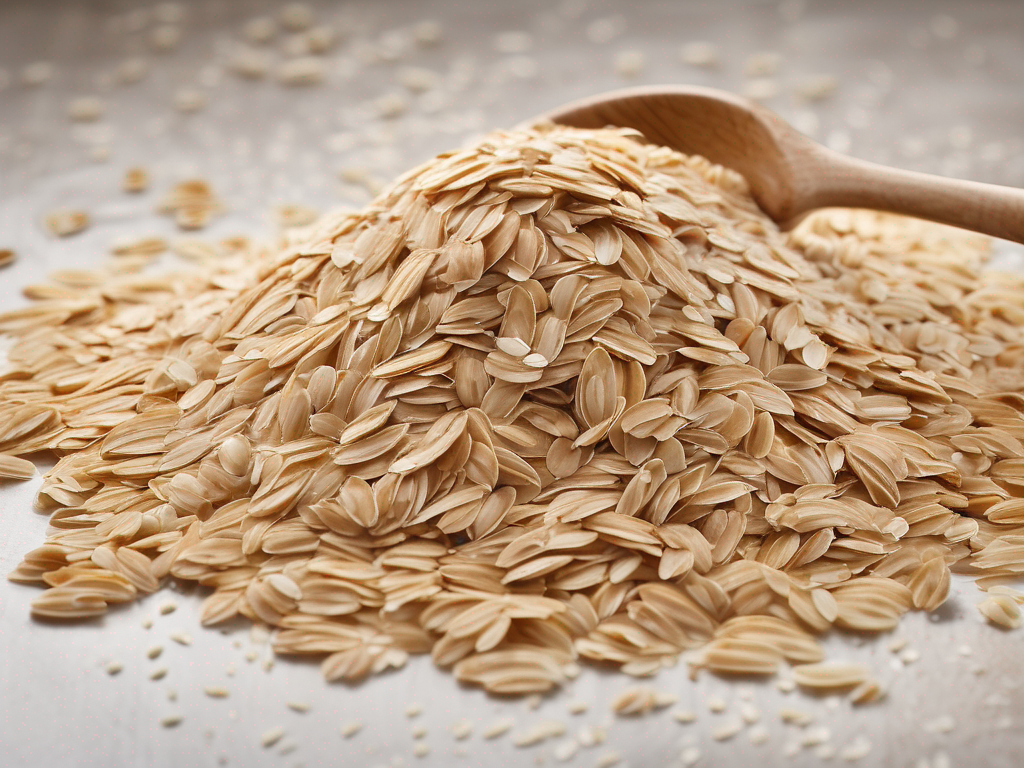
When it comes to pantry staples, oats are a versatile and nutritious option that many people enjoy. Whether you use them in your morning oatmeal, baking recipes, or smoothies, oats are a popular choice for their nutritional quality and convenience. In this comprehensive guide, we will explore everything you need to know about the shelf life of oats, how to store them properly, and important food safety tips to keep in mind. ([Oats](https://canieatexpired.com/food/oats))

## Understanding Oats Shelf Life

Oats are a type of grain that can last a long time if stored properly. The shelf life of oats can vary depending on the type of oats and how they are stored. Here are some general guidelines for the shelf life of different types of oats:

### Rolled Oats
- **Unopened**: Rolled oats can last for up to 1 year when stored in a cool, dry place.
- **Opened**: Once opened, rolled oats can last for about 6-9 months if stored in an airtight container.

### Steel-Cut Oats
- **Unopened**: Steel-cut oats have a longer shelf life compared to rolled oats and can last for up to 2 years when stored properly.
- **Opened**: Once opened, steel-cut oats can last for about 1 year if stored in an airtight container.

### Instant Oats
- **Unopened**: Instant oats typically have a shorter shelf life and can last for about 6-12 months.
- **Opened**: Once opened, instant oats can last for about 4-6 months if stored in an airtight container.

### Oat Flour
- **Unopened**: Oat flour can last for up to 6 months in a cool, dry place.
- **Opened**: Once opened, oat flour should be used within 3-4 months for the best quality.

## Proper Storage Tips for Oats

To ensure your oats stay fresh and maintain their quality, follow these storage tips:

### Storage Containers
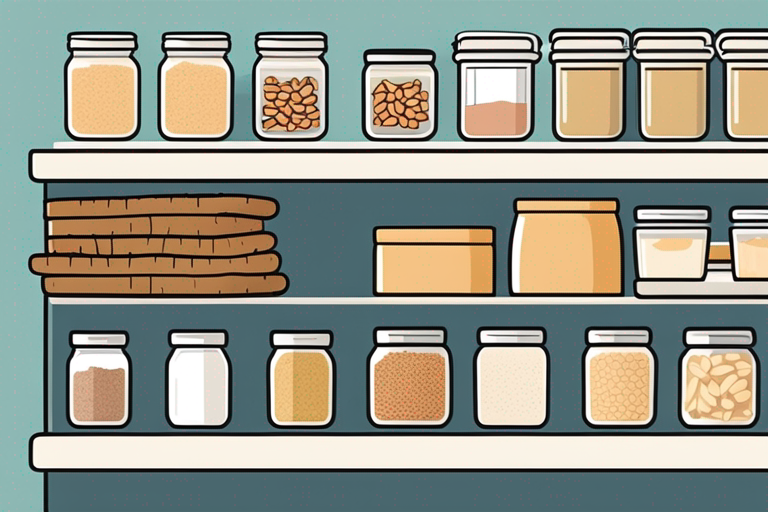
- Use airtight containers or resealable bags to store oats and prevent moisture and pests from getting in.

### Cool and Dry Place
- Store oats in a cool, dry place away from sunlight and heat sources to maintain their freshness.

### Labeling
- Always label your oats with the purchase or expiration date to keep track of their shelf life.

### Freezing Oats
- Oats can be stored in the freezer to extend their shelf life. Place them in a freezer-safe container or bag and use within 2 years for the best quality.

## common situation

Consider Sarah, a busy mom who loves to whip up healthy breakfasts for her family. She always keeps a large bag of rolled oats in her pantry. One day, she decides to make oatmeal cookies for a school event. When she reaches for the oats, she finds them clumping together and smelling off. Sarah realizes she forgot to seal the bag properly after her last use. Had she stored the oats in an airtight container, she would have avoided this situation altogether.

Now think about Mark, a college student living in a small apartment. He has a habit of buying instant oats in bulk during sales. Unfortunately, he often forgets when he opened each package. One day, he opens a pack only to discover it has an unpleasant odor. A simple labeling system would have helped Mark track his opened packages and enjoy fresh oats without any surprises.

These situation highlight the importance of proper storage and tracking of shelf life to prevent waste and ensure that you’re getting the most out of your oats.

## Food Safety Tips for Oats

While oats have a long shelf life, it's essential to follow food safety guidelines to prevent any contamination or spoilage:

### Check for Signs of Spoilage
- Before using oats, check for any signs of mold, strange odors, or off flavors. If you notice any of these, discard the oats immediately.

### Avoid Moisture
- Moisture can cause oats to spoil quickly. Make sure to store them in a dry environment and avoid exposing them to humidity.

### Bugs and Pests
- Keep an eye out for any signs of bugs or pests in your oats. Store them in sealed containers to prevent any infestations.

### Cross-Contamination
- To prevent cross-contamination, always use clean utensils and containers when handling oats. Avoid mixing them with other ingredients that may cause spoilage.

## Scientific Context: The Nutritional Power of Oats

Oats are not only a long-lasting pantry staple but also packed with nutrients. Rich in dietary fiber, they help regulate digestion and can keep you feeling fuller for longer. They contain beta-glucans, a type of soluble fiber known for lowering cholesterol levels and promoting heart health.

Moreover, oats are a great source of essential vitamins and minerals, including manganese, phosphorus, magnesium, and iron. They also contain antioxidants, which can help protect against oxidative stress. When consumed as part of a balanced diet, oats can contribute to weight management and overall health.

Many people don’t realize that the nutritional quality of oats can be maximized by preparing them properly. For instance, soaking oats overnight in milk or yogurt can not only make them easier to digest but can also enhance the availability of nutrients. This practice can also lead to a creamier texture, perfect for breakfast bowls or baked goods.

## Common Mistakes People Make with Oats

1. **Not Storing Properly**: One of the most common mistakes is not sealing oats in airtight containers. Exposure to air can lead to rancidity, especially in the case of oat flour and steel-cut oats, which have a higher fat content.

2. **Ignoring Expiration Dates**: Many people overlook the expiration dates on their oat packages. It’s crucial to pay attention to these dates, especially for instant oats and oat flour, which have shorter shelf lives.

3. **Assuming All Oats are the Same**: Different types of oats have different shelf lives and storage requirements. Understanding these differences can help in maintaining their quality.

## Expert Insights: Recommendations from Food Safety Professionals

According to food safety experts, the key to maximizing the shelf life of oats lies in three main factors: temperature, humidity, and light. Food safety guidance from public health agencies, a food scientist, suggests that “the best practice is to store grains like oats in a cool, dark place, ideally between 50°F to 70°F, to prevent nutrient degradation.”

She also recommends using vacuum-sealed bags for long-term storage, especially if you’re buying oats in larger quantities. “Vacuum sealing removes oxygen, which can help prevent spoilage and extend shelf life significantly,” Food safety guidance from public health agencies adds.

## Practical Tips for Using Oats

Here are some actionable tips to incorporate oats into your diet while ensuring they stay fresh:

- **Cooking Variety**: Experiment with different cooking methods, such as roasting oats for granola or blending them into smoothies for added creaminess and nutrition.

- **Recipe Ideas**: Try incorporating oats into savory dishes, such as oat risotto or savory oat cakes, to enjoy their versatility beyond breakfast.

- **Batch Cooking**: Consider making large batches of overnight oats to save time during busy mornings. Prepare them in individual jars, ready to grab and go.

- **Use as a Thickener**: Oats can be ground into flour and used as a thickening agent in soups or sauces, adding creaminess without extra calories.

## Conclusion

In conclusion, oats are a nutritious and versatile food that can last a long time if stored properly. By following the storage tips and food safety guidelines mentioned in this guide, you can ensure that your oats remain fresh and safe to consume. Remember to check the expiration dates, store them in a cool, dry place, and be mindful of any signs of spoilage. Enjoy the many benefits of oats in your meals while keeping them fresh and delicious for longer periods. [Oats](/food/oats) ([Oats](https://canieatexpired.com/food/oats))

## Related Posts

Here are some other articles you might find helpful:

- [The Complete Guide to Oatmeal Shelf Life](/blog/oatmeal-shelf-life)
- [The Ultimate Guide to Long Shelf Life Foods](/blog/long-shelf-life-foods)
- [The Ultimate Guide to Egg Shelf Life in the Refrigerator](/blog/egg-shelf-life-in-refrigerator)
- [Maximizing Shelf Life: A Guide to Foods with Longevity](/blog/food-with-longer-shelf-life)
- [Everything You Need to Know About Expired Eggs](/blog/expire-egg)
Authoritative Food Safety References
These agencies and university labs inform every tip and health precaution we publish.
USDAOfficial guidance
USDA FoodKeeper – Cold Storage Guidelines
Official refrigerator, freezer, and pantry timelines maintained by the U.S. Department of Agriculture.
Visit USDA FoodKeeperFDAOfficial guidance
FDA Produce Safety Rule & Grower Guidance
Field-to-fridge handling practices that prevent contamination of fruits, vegetables, and leafy greens.
Visit FDA Produce SafetyCDCOfficial guidance
CDC Foodborne Illness Prevention Hub
Surveillance-backed guidance on pathogens, symptoms, and steps to reduce foodborne illness risk.
Visit CDC Food SafetyResearchUniversity research
UC Davis Postharvest Technology Center
University research detailing optimal storage atmospheres for produce after harvest.
Visit UC Davis PostharvestResearchUniversity research
Penn State Extension – Home Food Preservation & Safety
Peer-reviewed extension bulletins on safe canning, chilling, and reheating practices.
Visit Penn State Extension❓
Frequently Asked Questions
Can oats go bad?
Yes, oats can go bad if exposed to moisture, heat, or pests. Signs of spoiled oats include a rancid smell, off taste, or the presence of mold. It's important to inspect oats before consuming them to ensure they are safe to eat.
How can I tell if my oats are still good?
Check the appearance, smell, and taste of the oats to determine if they are still good. Fresh oats should have a neutral smell and taste, and should not show any signs of mold or discoloration. If in doubt, it's best to discard them to avoid the risk of foodborne illness.
Can I eat oats past the expiration date?
While oats can still be safe to eat past the expiration date if stored properly, it's important to check for any signs of spoilage before consuming them. If the oats appear or smell off, it's best to err on the side of caution and discard them.
How should I store oats to maximize their shelf life?
To maximize the shelf life of oats, store them in a cool, dry place in an airtight container. For even longer storage, consider keeping them in the refrigerator or freezer. Avoid exposing oats to moisture, heat, or pests to ensure their freshness.
Disclosure: As an Amazon Associate, we earn from qualifying purchases. This helps support our site and allows us to continue providing free food safety information.
Our articles are created using a combination of AI assistance and human review. All food safety information is based on USDA guidelines and credible sources. Learn more about our review process here.