Finding Food Pantries Near You: A Comprehensive Guide
Finding Food Pantries Near You: A Comprehensive Guide
Are you in need of assistance with obtaining food for you and your family? Food pantries are essential resources that provide groceries and meals to individuals and families facing food insecurity. In this guide, we will explore how to find food pantries near you, the services they offer, and tips for accessing their resources safely.
How to Find Food Pantries Near You
1. Utilize Online Resources
- Visit websites such as Feeding America's Food Bank Locator to search for food pantries in your area.
- Use search engines to find local food banks and pantries by entering keywords like "food pantry near me" or "local food bank."
2. Contact Local Organizations
- Reach out to community centers, churches, and social service agencies in your area to inquire about food pantry locations and operating hours.
- Check with your city or county government for a list of food assistance programs available in your community.
3. Use Mobile Apps
- Download food assistance apps like AmpleHarvest or FoodFinder to locate nearby food pantries and distribution sites.
4. Check Social Media and Community Boards
- Follow local food pantry pages on social media platforms like Facebook and Twitter to stay updated on their services and events.
- Join community groups and forums where members share information about food resources in the area.
What Services Do Food Pantries Offer?
1. Food Distribution
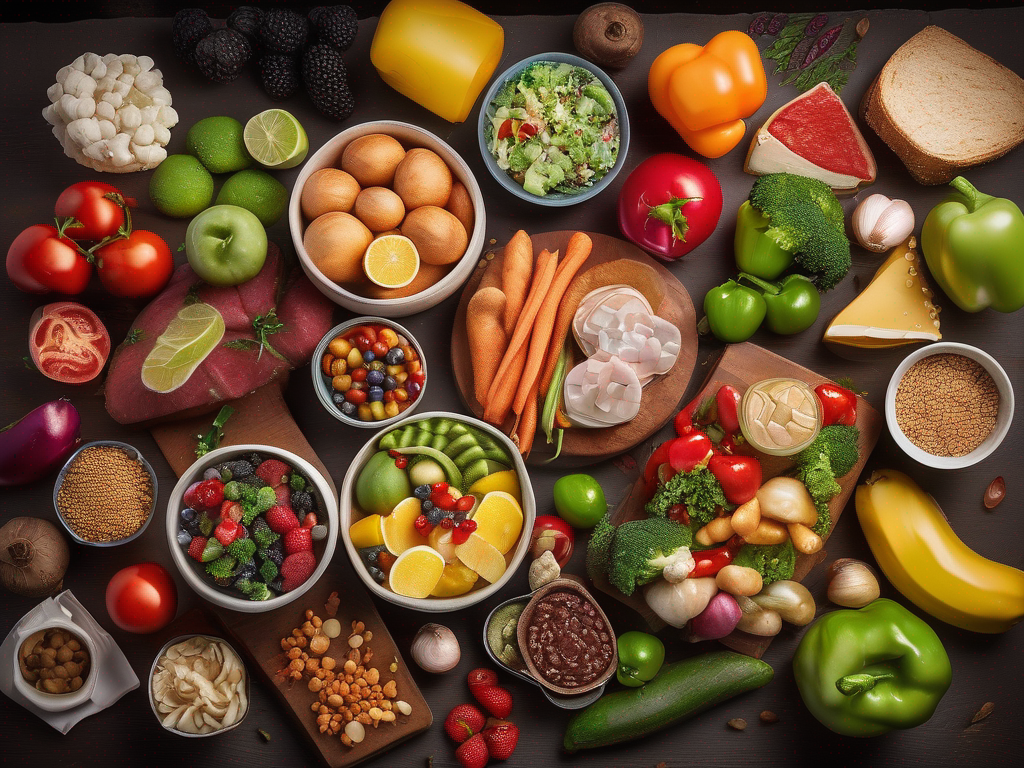
- Food pantries provide a variety of perishable and non-perishable food items to individuals and families in need.
- Some pantries offer fresh produce, dairy products, canned goods, and frozen items to supplement meals.
2. Meal Programs
- Some food pantries host meal programs where individuals can enjoy hot meals prepared on-site or receive pre-packaged meals for takeout.
- Check with your local pantry for information on meal service availability and schedules.
3. Nutrition Education
- Many food pantries offer nutrition education workshops and resources to help clients make healthier food choices and improve their overall well-being.
- Attend nutrition classes and cooking demonstrations to learn how to prepare nutritious meals with the ingredients provided.
4. Referral Services
- Food pantries may connect clients with additional resources such as housing assistance, healthcare services, and employment support.
- Ask pantry staff about available referrals and support services that can address your specific needs.
common situation
Imagine Sarah, a single mother of two who recently lost her job due to unforeseen circumstances. With bills piling up and groceries running low, she turns to a local food pantry for assistance. The pantry not only provides her with essential food items but also connects her to job training programs and childcare services, giving her the support she needs during this challenging time.
Then there's Mark, a college student struggling with the rising costs of tuition and living expenses. He discovers a campus food pantry that offers healthy snacks and meals for students in need. Through the pantry, he learns about cooking classes that help him prepare affordable meals, enabling him to focus on his studies without the constant worry of hunger.
Proper cooking temperatures are essential for food safety. An instant-read food thermometer (Amazon) helps ensure meat reaches safe internal temperatures and reduces the risk of foodborne illness.
Finally, consider Linda, an elderly widow living alone. After moving to a new city, she feels isolated and unsure of where to find help. By reaching out to a local community center, she learns about a nearby food pantry that not only provides meals but also hosts weekly social gatherings. This connection helps her access nutritious food while also making new friends in her community.
Additional common Example
Meet James, a veteran who has recently returned home and is struggling to adjust. He finds it challenging to navigate the complexities of civilian life, including budgeting for groceries. After hearing about a local food pantry through a veteran support group, he decides to pay them a visit. Not only does he receive food assistance, but he also discovers resources that help him deal with mental health support and job placement. The pantry becomes a vital lifeline, offering both food and a supportive community.
Tips for Accessing Food Pantries Safely
1. Bring Identification
- Some food pantries may require clients to provide identification, proof of address, or income verification to access their services.
- Prepare necessary documents in advance to expedite the registration process and ensure eligibility for assistance.
2. Follow Safety Guidelines
- Adhere to safety protocols such as wearing masks, practicing social distancing, and sanitizing hands when visiting food pantries.
- Respect the rules and guidelines set by pantry staff to maintain a safe and orderly environment for all clients.
3. Be Respectful and Grateful
- Show appreciation to food pantry volunteers and staff for their dedication to serving the community.
- Treat fellow clients with kindness and respect to foster a supportive and welcoming atmosphere at the pantry.
4. Volunteer or Donate
- Consider giving back to your local food pantry by volunteering your time, donating food items, or contributing financially to support their operations.
- Contact the pantry to inquire about volunteer opportunities and donation guidelines to make a meaningful impact in the fight against hunger.
Common Mistakes When Visiting Food Pantries
While many people understand the basic process of accessing food pantries, there are a few common pitfalls that can lead to frustration or missed opportunities:
Refrigerator temperature fluctuations can accelerate spoilage and increase food safety risks. A refrigerator thermometer (Amazon) helps monitor consistent cold storage (40°F or below).
1. Not Checking Hours of Operation
Food pantries often have specific hours of service that can vary widely. Some may only be open a few hours a week or have limited hours on certain days. Always check in advance to avoid disappointment.
2. Ignoring Eligibility Requirements
Some pantries have specific eligibility criteria based on income or residency. Many individuals mistakenly assume they qualify without verifying their eligibility. It's best to check ahead for any requirements.
3. Overlooking Additional Resources
Many pantries offer more than just food. Failing to ask staff about other services, like job training programs or healthcare resources, may can increase the likelihood of missed opportunities for vital support.
4. Not Planning for Storage
When receiving food donations, particularly perishables, it’s crucial to have proper storage prepared. Not everyone realizes that items like fresh produce require a cool environment to last longer. Create a space in your fridge or pantry ahead of time to ensure proper storage of all items you receive.
5. Assuming All Food is Fresh
While many food pantries strive to provide fresh items, some may offer food that is close to its expiration date or has been stored for a while. Always inspect items before taking them home, and don't hesitate to ask pantry staff about the quality of the food if you're unsure.
Expert Insights on Food Safety and Storage
It's essential to consider food safety, especially when receiving items from food pantries. Many people don't realize that even food from pantries can pose risks if not handled properly.
Safe Food Handling
- Always wash your hands before handling food. Use soap and warm water for at least 20 seconds.
- Separate raw foods (like meats) from ready-to-eat items to prevent cross-contamination.
- Check expiration dates and the condition of packaging. If something looks or smells off, it’s better to err on the side of caution and not consume it.
Proper Storage Techniques
- Refrigerate perishables like dairy and meats within two hours of receiving them. If you're unable to do this right away, try to keep items in a cool, shaded place until you can refrigerate them.
- Use airtight containers for leftovers to keep them fresh and avoid spoilage. Consider investing in some quality storage containers to extend the life of your food.
- Label items with the date they were received to keep track of freshness and ensure you consume them in a timely manner.
- For canned goods, store them in a cool, dry place. Avoid exposing them to temperature fluctuations, as this can compromise their quality.
Nutritional Considerations
Many food pantries provide a mix of food items, which may not always align with a balanced diet. It’s beneficial to know how to complement these items with healthy choices. For instance, if you receive canned vegetables, consider pairing them with whole grains like brown rice or quinoa to create a balanced meal.
Additionally, if you receive items high in sodium, such as canned soups, consider rinsing them under cold water before heating to reduce sodium content. Also, adding fresh herbs or spices can enhance flavor without adding extra salt.
Conclusion
Food pantries play a vital role in addressing food insecurity and supporting individuals and families in need. By utilizing available resources, understanding the services offered, and following safety guidelines, you can access food pantries near you with confidence and dignity. Remember to show gratitude, stay informed about available assistance, and consider giving back to support those facing hunger in your community. Together, we can make a difference in ensuring access to nutritious food for all.
In a world where many face the daily challenge of food insecurity, it's heartening to know that help is available. With the right information and approach, you can find the resources you need while also contributing to a kinder, more supportive community.
Authoritative Food Safety References
These agencies and university labs inform every tip and health precaution we publish.
USDA FoodKeeper – Cold Storage Guidelines
Official refrigerator, freezer, and pantry timelines maintained by the U.S. Department of Agriculture.
Visit USDA FoodKeeperFDA Produce Safety Rule & Grower Guidance
Field-to-fridge handling practices that prevent contamination of fruits, vegetables, and leafy greens.
Visit FDA Produce SafetyCDC Foodborne Illness Prevention Hub
Surveillance-backed guidance on pathogens, symptoms, and steps to reduce foodborne illness risk.
Visit CDC Food SafetyUC Davis Postharvest Technology Center
University research detailing optimal storage atmospheres for produce after harvest.
Visit UC Davis PostharvestPenn State Extension – Home Food Preservation & Safety
Peer-reviewed extension bulletins on safe canning, chilling, and reheating practices.
Visit Penn State ExtensionFrequently Asked Questions
How can I find food pantries near me?
What do I need to bring to a food pantry?
Can anyone use a food pantry?
How often can I visit a food pantry?
Can I donate food to a food pantry?
Citations
Disclosure: As an Amazon Associate, we earn from qualifying purchases. This helps support our site and allows us to continue providing free food safety information.