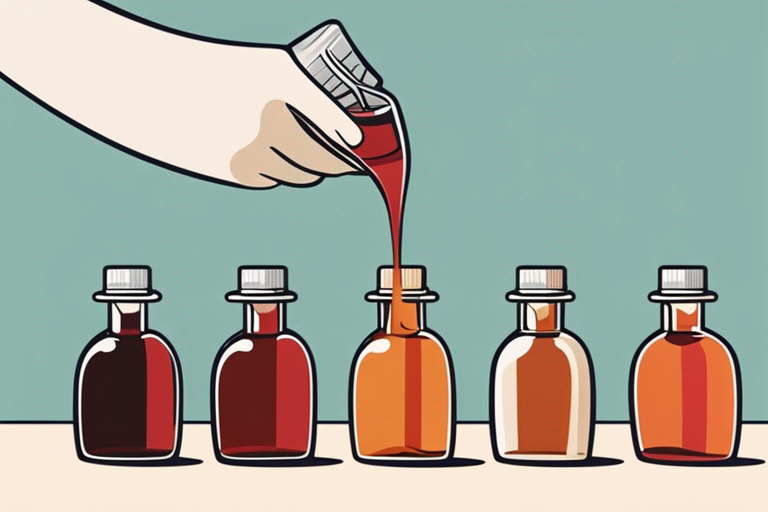
Is Syrup Good After the Expiration Date?
Is Syrup Good After the Expiration Date?
In the world of food storage, expiration dates can often lead to confusion. One common item that people often wonder about is syrup. Whether it's maple syrup, pancake syrup, or any other type, many of us have found a forgotten bottle buried in the back of the pantry past its expiration date. So, is syrup still safe to consume after it has expired? Let's delve into this sweet topic and find out.
Understanding Expiration Dates on Syrup Bottles
When it comes to syrup, most manufacturers stamp an expiration date on the bottle. This date is an estimation of how long the product will retain its quality and flavor. It is important to note that an expiration date is not a strict indicator of food safety but rather an indication of peak quality. Here are a few key points to consider:
Factors Affecting Syrup Shelf Life
Several factors can affect the shelf life of syrup, including:
Proper cooking temperatures are essential for food safety. An instant-read food thermometer (Amazon) helps ensure meat reaches safe internal temperatures and reduces the risk of foodborne illness.
- Type of Syrup: Maple syrup tends to have a longer shelf life compared to artificial pancake syrups.
- Storage Conditions: Proper storage in a cool, dark place can help extend the shelf life of syrup.
- Quality of Packaging: A well-sealed bottle is more likely to preserve the syrup's freshness.
Is it Safe to Consume Syrup After the Expiration Date?
The good news is that, in most cases, syrup is still safe to consume after the expiration date has passed. Here are a few reasons why:
Syrup's Preservation Qualities
- High Sugar Content: Syrup, whether maple or artificial, contains a high concentration of sugar, which acts as a natural preservative.
- Acidic Environment: Maple syrup has a low pH, creating an environment that inhibits the growth of harmful bacteria.
Signs of Spoilage
While syrup may still be safe to consume after the expiration date, it is essential to look out for signs of spoilage, such as:
- Mold Growth: If you notice mold on the surface of the syrup, discard it immediately.
- Off Odors: A rancid or off smell is a clear indicator that the syrup has gone bad.
Tips for Properly Storing Syrup
To ensure that your syrup stays fresh for as long as possible, follow these storage tips:
Refrigerator temperature fluctuations can accelerate spoilage and increase food safety risks. A refrigerator thermometer (Amazon) helps monitor consistent cold storage (40°F or below).
- Cool, Dark Location: Store syrup in a cool, dark pantry away from sunlight and heat sources.
- Sealed Container: Keep the syrup in a tightly sealed container to prevent contamination.
- Refrigeration: While not necessary, refrigerating syrup can further extend its shelf life.
common situation
To illustrate the point about syrup usage after its expiration date, let's Common situations include of relatable situation:
situation 1: A Breakfast Surprise
Imagine waking up on a lazy Sunday morning, ready to whip up a delicious pancake breakfast for your family. As you rummage through your pantry, you stumble upon a bottle of maple syrup hidden behind some spices. You notice the expiration date has passed by a few months. Memories of family breakfasts flood your mind. You pour a little syrup on a spoon to check its consistency and smell. It seems okay! After a quick taste test, you find it just as sweet and delightful as you remember. You decide to go ahead and enjoy it on your pancakes, feeling relieved that you didn’t have to run out last minute to buy more.
situation 2: The Unexpected Guest
Let’s say you’ve invited friends over for brunch, and in your rush to prepare, you check the pantry for syrup. You find a nearly full bottle that expired six months ago. You hesitate but remember reading somewhere that syrup can be safe past its expiration date. You inspect it closely—no mold, no strange smells. With a little apprehension but a lot of hope, you pour it over waffles, and everyone raves about how delicious they are. Sometimes, our pantry surprises us in the best ways!
situation 3: The Gift That Keeps on Giving
During a holiday gathering, you receive a lovely gift basket that includes a jar of artisanal maple syrup. When you finally get around to using it months later, you notice the expiration date has come and gone. However, you recall the advice about the longevity of syrup. You check for any signs of spoilage and find none—just a rich, sweet aroma. You decide to make a batch of homemade granola and drizzle the syrup on top. The flavor is just as vibrant as the day you opened it! It’s a reminder of how thoughtful gifts can keep on giving, even after the date on the bottle.
Scientific Context
It might seem surprising that syrup, which is often considered a perishable item, can last well beyond its expiration date. Here’s the science behind it:
Preservation Methods
The high sugar content not only gives syrup its characteristic sweetness but also plays a vital role in preservation. Sugar has hygroscopic properties, meaning it attracts moisture. This moisture-absorbing ability helps prevent the growth of bacteria, mold, and other microorganisms that can spoil food.
In addition, the acidic nature of maple syrup creates an environment that is less hospitable to harmful bacteria. The pH level of syrup is typically around 3.5 to 4.5, making it safe to consume even after the expiration date if properly stored.
Nutritional Information
Syrup, especially pure maple syrup, is not just a sweetener; it also contains trace minerals such as manganese, zinc, and calcium. These minerals can have a positive effect on your health in moderation. However, it's important to note that syrup is still high in calories and sugar, so it should be used sparingly in a balanced diet. I’ve found that substituting syrup for refined sugars in recipes can add a unique depth of flavor while providing some nutritional benefits.
Common Mistakes
When it comes to syrup storage and usage, many people fall into a few common traps:
-
Not Refrigerating Opened Bottles: Some people mistakenly think syrup can stay in the pantry indefinitely once opened. While unopened syrup can last for years, opened bottles should ideally be refrigerated to maintain freshness and prevent spoilage.
-
Ignoring the Importance of Sealing: Leaving lids loosely closed or not sealing bottles tightly can lead to contamination from other pantry elements, introducing moisture and bacteria that can spoil the syrup.
-
Not Checking for Signs of Spoilage: A lot of folks assume that if it’s past the expiration date, it’s definitely bad. It’s always best to check for visible signs of spoilage instead of outright discarding it.
-
Using Syrup Directly from the Bottle: Many people don’t realize the potential for contamination when pouring syrup directly onto food. Using a separate serving spoon can help keep the remaining syrup fresh.
Expert Insights
Food safety experts often emphasize the importance of using your senses when determining whether a product is safe to consume. Food safety guidance from public health agencies, a food safety specialist, recommends, “When in doubt, look, smell, and taste. If something seems off, it’s better to be safe and throw it away. But with syrup, you're often safe to use it well past the printed date if there are no signs of spoilage.”
Additionally, keeping your syrup bottle clean and free from external contaminants is crucial. When pouring syrup, try to avoid letting the bottle touch the food, as this can introduce bacteria. A simple habit of using a clean spoon can go a long way in preserving syrup quality.
Actionable Storage Tips
Here are some practical tips to ensure your syrup remains fresh and delicious:
-
Labeling and Dating: When you open a new bottle of syrup, consider writing the date on the label. This will help you keep track of how long it’s been since opening and can aid in deciding when to refrigerate it.
-
Use Glass Containers: If you transfer syrup to another container, opt for glass rather than plastic. Glass is non-porous and won't absorb odors from the pantry, ensuring that your syrup stays flavorful.
-
Avoid Temperature Fluctuations: Try to keep your syrup away from areas in your kitchen that experience temperature changes, such as near ovens or dishwashers.
-
Consider Smaller Containers: If you know you'll use a smaller amount of syrup more frequently, consider transferring a portion into a smaller, clean, airtight container. This way, you reduce the chances of the main bottle being exposed to air and contaminants each time you open it.
Safety Warnings
While syrup can last beyond its expiration date, there are a few key safety considerations to keep in mind:
-
Storage Time After Opening: Ideally, opened bottles of syrup should be consumed within a year, even if they show no signs of spoilage. This ensures you enjoy the best quality and flavor.
-
Avoiding Cross-Contamination: If you see any signs of mold or spoilage, don't try to salvage the syrup by scooping out the bad parts. Mold can produce unpleasant flavors, odors, or reduced nutritional quality that permeate the surrounding syrup.
-
Consulting Resources: If you're ever unsure about food safety, don't hesitate to consult resources like the USDA or local health departments for guidance on food storage and safety.
Conclusion
In conclusion, syrup is generally safe to consume after the expiration date has passed, thanks to its high sugar content and acidic nature. However, it is crucial to inspect the syrup for any signs of spoilage before consuming it. By following proper storage practices, you can enjoy your favorite syrup for an extended period. Remember, when in doubt, it's always best to err on the side of caution and discard any syrup that shows signs of spoilage. So go ahead, enjoy your pancakes with that slightly expired syrup, but remember to store it properly for the best quality and taste.
Authoritative Food Safety References
These agencies and university labs inform every tip and health precaution we publish.
USDA FoodKeeper – Cold Storage Guidelines
Official refrigerator, freezer, and pantry timelines maintained by the U.S. Department of Agriculture.
Visit USDA FoodKeeperFDA Produce Safety Rule & Grower Guidance
Field-to-fridge handling practices that prevent contamination of fruits, vegetables, and leafy greens.
Visit FDA Produce SafetyCDC Foodborne Illness Prevention Hub
Surveillance-backed guidance on pathogens, symptoms, and steps to reduce foodborne illness risk.
Visit CDC Food SafetyUC Davis Postharvest Technology Center
University research detailing optimal storage atmospheres for produce after harvest.
Visit UC Davis PostharvestPenn State Extension – Home Food Preservation & Safety
Peer-reviewed extension bulletins on safe canning, chilling, and reheating practices.
Visit Penn State ExtensionFrequently Asked Questions
Can I still consume syrup after the expiration date?
How should I store syrup to extend its shelf life?
Is it safe to use syrup that has crystallized?
Can I freeze syrup to extend its shelf life?
How long does syrup last after opening?
Citations
Disclosure: As an Amazon Associate, we earn from qualifying purchases. This helps support our site and allows us to continue providing free food safety information.