Is it Safe to Use Arrowroot Past its Expiration Date?
Is it Safe to Use Arrowroot Past its Expiration Date?
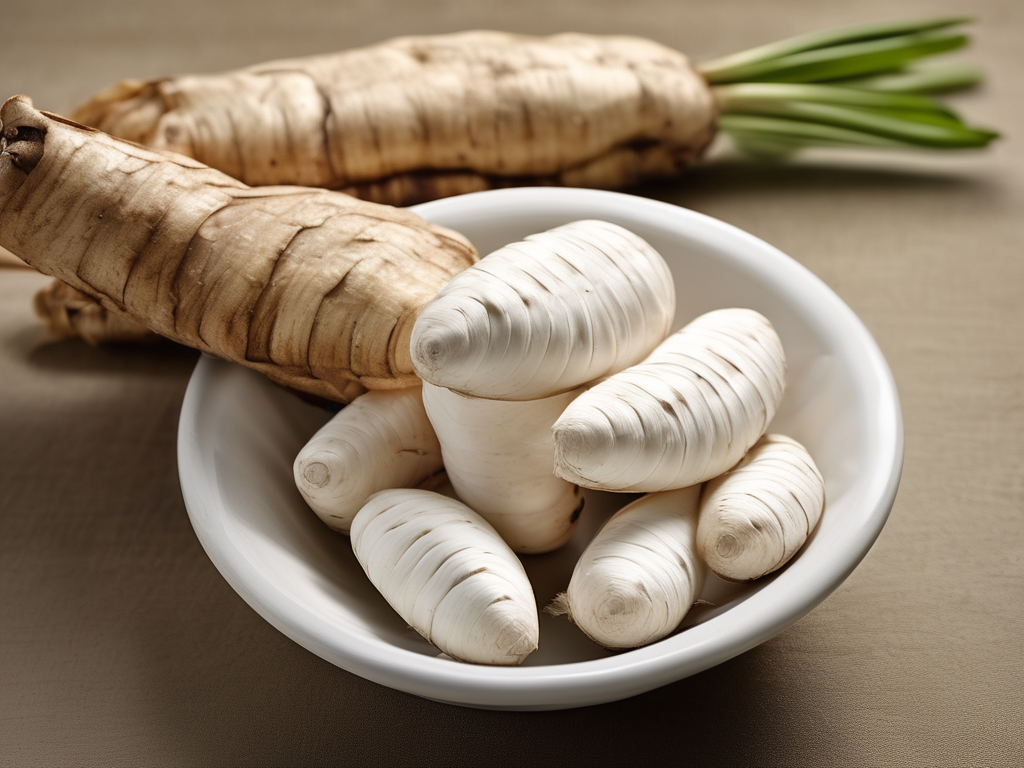
Arrowroot is a versatile ingredient commonly used in cooking and baking. Its fine texture and neutral flavor make it a popular choice for thickening sauces, soups, and desserts. However, like all pantry staples, arrowroot does have a shelf life. In this blog post, we will explore whether it is safe to use arrowroot past its expiration date. (Arrowroot)
Understanding Arrowroot Expiration Dates
Arrowroot typically comes with a "best by" or expiration date printed on the packaging. This date indicates the period during which the product is at its peak quality in terms of flavor, texture, and nutritional value. After this date, the quality of the arrowroot may start to deteriorate.
Factors Affecting Arrowroot Shelf Life
Several factors can influence the shelf life of arrowroot:
-
Storage Conditions: Proper storage is crucial for maintaining the quality of arrowroot. Storing it in a cool, dry place away from heat and moisture can help extend its shelf life.
-
Packaging: Arrowroot stored in airtight containers or sealed bags is less likely to be exposed to air and moisture, which can cause it to spoil faster.
-
Exposure to Light: Exposure to light can degrade the quality of arrowroot over time. Storing it in a dark pantry or cupboard can help preserve its freshness.
Checking the Quality of Expired Arrowroot
While it is always recommended to adhere to expiration dates for optimal quality and safety, using arrowroot past its expiration date may still be possible under certain conditions. Here are some tips for checking the quality of expired arrowroot:
Visual Inspection
-
Color: Check the color of the arrowroot. It should be a light, white powder. If it has darkened or developed any discoloration, it may be past its prime.
-
Texture: Arrowroot should have a fine, powdery texture. If it appears clumpy or has developed lumps, it may have absorbed moisture and could be spoiled.
Smell Test
- Odor: Arrowroot should have a neutral aroma. If it smells musty, rancid, or off, it is best to discard it.
Taste Test
- Taste: While arrowroot is typically flavorless, a stale or off taste indicates that it has deteriorated and should not be used.
Safety Precautions When Using Expired Arrowroot
If you decide to use arrowroot past its expiration date after conducting quality checks, it is essential to take some safety precautions:
-
Cooking: Heat can help kill any potential bacteria that may have developed in expired arrowroot. Ensure that the arrowroot reaches a safe cooking temperature when using it in recipes.
-
Quantity: Consider using a smaller quantity of expired arrowroot initially to test its performance and safety before incorporating larger amounts into your dishes.
-
Storage: Store any leftover arrowroot properly in an airtight container to prevent further degradation.
Conclusion
In conclusion, while it is generally recommended to follow expiration dates for optimal quality and safety, using arrowroot past its expiration date may be possible with careful inspection and precautions. By checking the quality, conducting smell and taste tests, and taking safety measures during cooking and storage, you can minimize the risk of foodborne illness and enjoy the benefits of arrowroot even after its expiration date. Remember that when in doubt, it is always best to err on the side of caution and discard any arrowroot that shows signs of spoilage. Learn more about arrowroot and experiment with this versatile ingredient in your culinary creations. (Arrowroot)
Related Posts
Here are some other articles you might find helpful:
Authoritative Food Safety References
These agencies and university labs inform every tip and health precaution we publish.
USDA FoodKeeper – Cold Storage Guidelines
Official refrigerator, freezer, and pantry timelines maintained by the U.S. Department of Agriculture.
Visit USDA FoodKeeperFDA Produce Safety Rule & Grower Guidance
Field-to-fridge handling practices that prevent contamination of fruits, vegetables, and leafy greens.
Visit FDA Produce SafetyCDC Foodborne Illness Prevention Hub
Surveillance-backed guidance on pathogens, symptoms, and steps to reduce foodborne illness risk.
Visit CDC Food SafetyUC Davis Postharvest Technology Center
University research detailing optimal storage atmospheres for produce after harvest.
Visit UC Davis PostharvestPenn State Extension – Home Food Preservation & Safety
Peer-reviewed extension bulletins on safe canning, chilling, and reheating practices.
Visit Penn State Extension