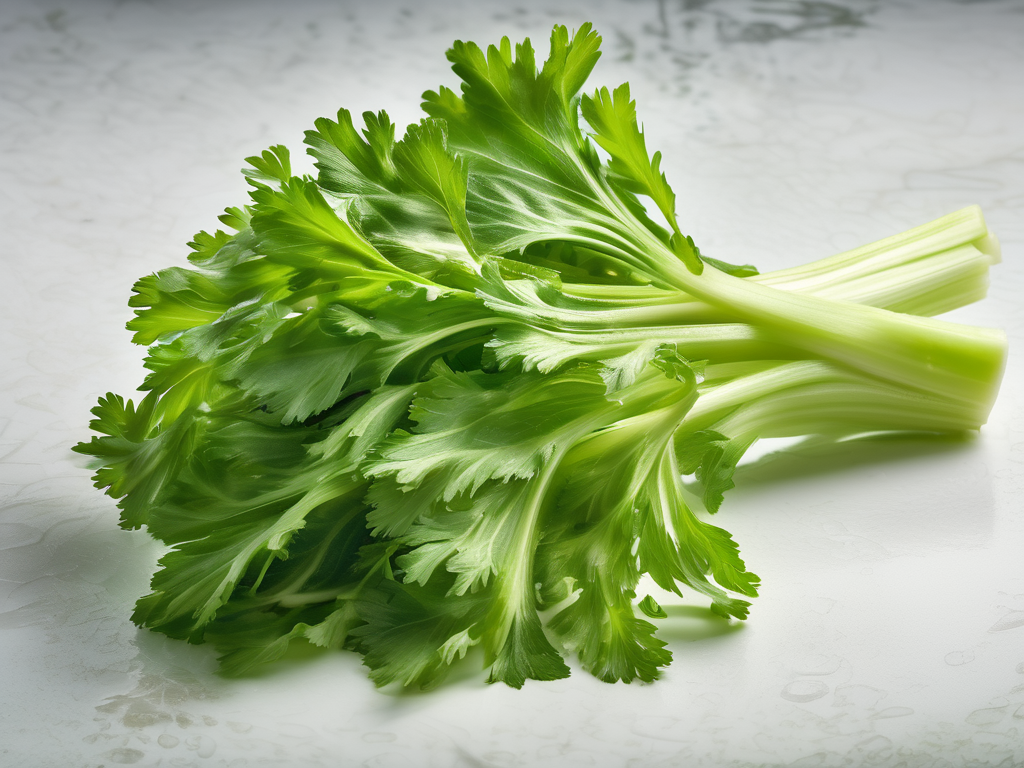
Is It Safe to Eat Wilted Celery Leaves?
Is It Safe to Eat Wilted Celery Leaves?
When it comes to food safety and storage, many people wonder if it's safe to consume wilted celery leaves. Celery is a popular vegetable known for its crunchy stalks and flavorful leaves. However, celery leaves tend to wilt quickly, leading to concerns about their safety for consumption. In this blog post, we will explore whether it is safe to eat wilted celery leaves, how to properly store celery, and tips to ensure food safety. (Celery leaves)
Understanding Wilted Celery Leaves
Wilted celery leaves are a common occurrence due to their high water content. When celery leaves lose moisture, they become limp and less appealing. While wilted celery leaves may not look as fresh, they are generally safe to eat if they have been stored properly and show no signs of spoilage.
Signs of Spoiled Celery Leaves
It's essential to inspect wilted celery leaves for any signs of spoilage before consuming them. Some indicators that celery leaves have gone bad include:
Proper airflow and humidity control can significantly extend produce freshness. Many households use produce storage containers (Amazon) in the refrigerator to regulate moisture and slow spoilage.
- Discoloration: Look for dark spots or mold on the leaves.
- Slimy texture: If the leaves feel slimy to the touch, they are likely spoiled.
- Foul odor: Spoiled celery leaves may emit a strong, unpleasant odor.
If you notice any of these signs, it is best to discard the celery leaves to prevent foodborne illness.
Proper Storage of Celery Leaves
To extend the freshness of celery leaves and prevent them from wilting prematurely, proper storage is key. Here are some tips for storing celery leaves:
-
Refrigeration: Store celery leaves in the refrigerator to maintain their crispness. Place them in a perforated plastic bag or a container with a lid to prevent moisture loss.
💡Keeping produce organized can improve air circulation and cooling. refrigerator organizer bins (Amazon) help reduce overcrowding and maintain consistent refrigerator temperatures.
-
Hydration: To revive wilted celery leaves, soak them in ice water for a few minutes. This can help rehydrate the leaves and restore their crisp texture.
-
Trimming: Remove any wilted or discolored parts of the celery leaves before storing them. This can help prevent the spread of spoilage.
-
Airflow: Ensure proper airflow in the refrigerator to prevent moisture buildup, which can lead to wilting. Avoid overcrowding the refrigerator to allow for adequate ventilation.
By following these storage tips, you can prolong the shelf life of celery leaves and enjoy them at their best quality.
Safety Tips for Consuming Wilted Celery Leaves
While wilted celery leaves are generally safe to eat if properly stored and free of spoilage, it's essential to practice food safety measures. Here are some tips to ensure the safety of consuming wilted celery leaves:
Wash Thoroughly
Before consuming celery leaves, wash them thoroughly under running water to remove any dirt, bacteria, or pesticide residues. Pat them dry with a clean paper towel before use.
Use within a Reasonable Timeframe
While wilted celery leaves are safe to eat, it's best to consume them within a reasonable timeframe to ensure freshness and optimal flavor. Avoid storing celery leaves for an extended period, as they may lose their nutritional value and taste.
Cook or Incorporate into Recipes
If you're unsure about consuming wilted celery leaves raw, consider cooking them or incorporating them into soups, stews, salads, or smoothies. Cooking can help kill any bacteria that may be present and enhance the flavor of the leaves.
Trust Your Senses
When in doubt about the safety of wilted celery leaves, trust your senses. If the leaves look or smell off, it's best to err on the side of caution and discard them.
Conclusion
In conclusion, it is generally safe to eat wilted celery leaves if they have been stored properly and show no signs of spoilage. By following proper storage practices, inspecting for spoilage indicators, and practicing food safety measures, you can enjoy wilted celery leaves without compromising your health. Remember to wash celery leaves thoroughly, use them within a reasonable timeframe, consider cooking or incorporating them into recipes, and trust your senses when assessing their safety. With these tips in mind, you can make the most of wilted celery leaves while ensuring food safety. (Celery leaves)
Authoritative Food Safety References
These agencies and university labs inform every tip and health precaution we publish.
USDA FoodKeeper – Cold Storage Guidelines
Official refrigerator, freezer, and pantry timelines maintained by the U.S. Department of Agriculture.
Visit USDA FoodKeeperFDA Produce Safety Rule & Grower Guidance
Field-to-fridge handling practices that prevent contamination of fruits, vegetables, and leafy greens.
Visit FDA Produce SafetyCDC Foodborne Illness Prevention Hub
Surveillance-backed guidance on pathogens, symptoms, and steps to reduce foodborne illness risk.
Visit CDC Food SafetyUC Davis Postharvest Technology Center
University research detailing optimal storage atmospheres for produce after harvest.
Visit UC Davis PostharvestPenn State Extension – Home Food Preservation & Safety
Peer-reviewed extension bulletins on safe canning, chilling, and reheating practices.
Visit Penn State ExtensionDisclosure: As an Amazon Associate, we earn from qualifying purchases. This helps support our site and allows us to continue providing free food safety information.