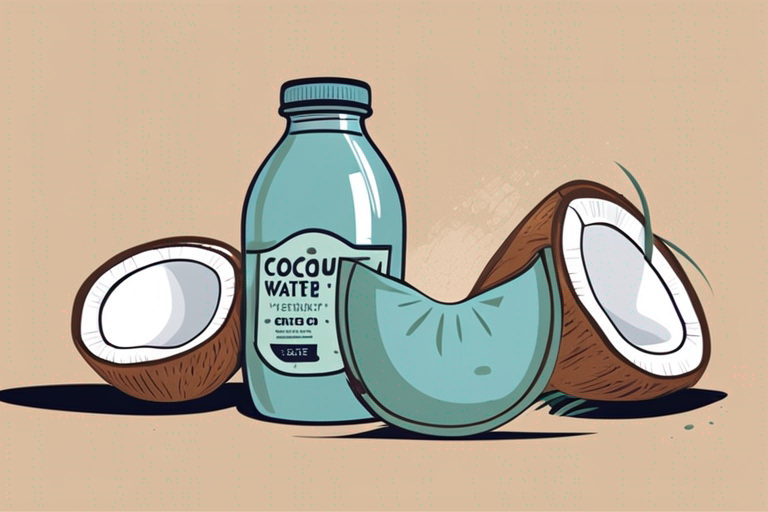
Is Coconut Water Good After the Expiration Date?
Is Coconut Water Good After the Expiration Date?
Coconut water is a popular and refreshing beverage known for its hydrating properties and nutritional quality. However, like all perishable products, coconut water comes with an expiration date. But what happens if you find a bottle of coconut water in your pantry past its expiration date? Is it still safe to drink? In this blog post, we will explore the safety of consuming coconut water after the expiration date and provide you with practical tips on how to store and handle coconut water properly.
Understanding Coconut Water Expiration Dates
When it comes to expiration dates on food and beverages, it's essential to differentiate between "best by" dates and "use by" dates.
-
Best By Date: This date indicates the period during which the product is expected to be at its peak quality in terms of flavor and freshness. Consuming the product after the best by date does not necessarily mean it is unsafe to consume.
💡Proper cooking temperatures are essential for food safety. An instant-read food thermometer (Amazon) helps ensure meat reaches safe internal temperatures and reduces the risk of foodborne illness.
-
Use By Date: This date is more critical for perishable items like dairy products and meats. Consuming these products after the use by date can pose health risks due to potential bacterial growth.
For coconut water, the expiration date is usually a "best by" date, suggesting that the quality of the product may decline after that date. However, it does not necessarily mean that the coconut water is unsafe to drink.
Factors Affecting Coconut Water Shelf Life
Several factors can influence the shelf life of coconut water, even before the expiration date:
-
Storage Conditions: Proper storage is crucial for maintaining the quality of coconut water. Exposure to light, heat, and air can accelerate spoilage.
-
Packaging: The packaging of the coconut water plays a significant role in its shelf life. Opt for containers that are airtight and opaque to protect the contents from light and oxygen.
-
Temperature: Storing coconut water at the right temperature (typically in a cool, dry place away from direct sunlight) can help extend its shelf life.
Is It Safe to Drink Coconut Water After the Expiration Date?
Consuming coconut water after the expiration date is generally safe as long as the packaging is intact, and the product has been stored correctly. However, there are a few factors to consider before deciding whether to drink expired coconut water:
Signs of Spoilage
Before consuming coconut water past its expiration date, check for signs of spoilage:
-
Off Odor: If the coconut water smells sour, rancid, or off, it is best to discard it.
-
Mold Growth: Visible mold or discoloration in the coconut water indicates spoilage and should not be consumed.
-
Strange Texture: If the coconut water appears slimy or has an unusual texture, it is best to err on the side of caution and avoid drinking it.
Taste Test
If the coconut water shows no signs of spoilage, you can perform a taste test to determine its quality. While the taste may not be as fresh as before, expired coconut water that has been stored properly should be safe to drink.
Tips for Properly Storing Coconut Water
To maximize the shelf life of coconut water and ensure its safety for consumption, follow these storage tips:
-
Refrigerate After Opening: Once you open a container of coconut water, refrigerate any unused portion promptly. Consuming the opened coconut water within a few days is recommended.
-
Avoid Temperature Fluctuations: Store coconut water away from temperature fluctuations and sources of heat, such as stoves or direct sunlight.
-
Check for Leaks: Before purchasing coconut water, inspect the packaging for any leaks or damage that could compromise its quality.
-
Follow Storage Instructions: If the coconut water comes with specific storage instructions, follow them diligently to maintain its freshness.
common situation
Imagine you’re planning a beach picnic and discover a pack of coconut water in your pantry. You excitedly grab it, but as you check the expiration date, you realize it’s a month past. You might be wondering, “Can I still enjoy this tropical treat?” Many people find themselves in similar situations. Perhaps you bought multiple bottles during a sale, thinking you’d drink them all, but life got busy, and now they’re sitting in the back of the fridge—some even past their best by dates.
In another situation, you’re preparing for a workout and grab a coconut water for hydration. You glance at the date on the container, and it's expired. You remember that you’ve heard mixed opinions from friends about drinking expired coconut products. Should you risk it, or would it be better to toss it and grab a new one?
These situations highlight the common confusion and uncertainty many face when it comes to consuming food and drinks past their expiration dates.
Scientific Context
Coconut water is not only refreshing; it’s also a natural source of electrolytes, making it a popular choice for hydration. The high potassium content helps maintain fluid balance in the body, which is especially beneficial after exercise. However, the expiration date is crucial to preventing spoilage due to microbial growth or oxidation.
Microbial spoilage typically occurs due to bacteria and yeast that can grow in improperly stored coconut water. On the other hand, oxidation leads to a decline in flavor and nutritional quality. Understanding how these processes work can help you make informed decisions about consuming coconut water past its expiration.
Common Mistakes About Coconut Water Expiration
While many people enjoy coconut water, several common misconceptions surround its expiration date and safety. Here are a few:
-
Believing All Expiration Dates Are Strict: Many assume that once the expiration date passes, the product is no longer safe. This isn’t always true. Quality may decline, but safety often remains intact if the product is stored properly.
-
Ignoring Sensory Signs: Some individuals may overlook the importance of visual and olfactory cues. If it looks fine and smells okay, they might assume it’s good. However, it’s essential to be vigilant about any changes in smell, taste, or appearance.
-
Not Knowing How to Store Properly: A common mistake is storing coconut water at room temperature after opening it. Always refrigerate it to slow down spoilage.
Expert Insights
Food safety public health guidance indicates that using your senses is key when determining whether food is still safe to consume. Food safety guidance from public health agencies, a food safety specialist, recommends always trusting your intuition. If it smells fine and there are no visible signs of spoilage, it’s likely safe to drink. However, she advises against consuming products that are significantly past their expiration date or show signs of spoilage.
Additionally, Food safety guidance from public health agencies emphasizes the importance of storage conditions. “Proper storage can extend the life of many beverages, including coconut water. The right environment reduces the chances of spoilage,” she explains.
Advanced Storage Methods
If you’re a coconut water lover, consider these advanced storage methods to help prolong its shelf life:
-
Freeze It: If you have leftover coconut water, consider freezing it in ice cube trays. This allows you to add a refreshing touch to smoothies or drinks without worrying about spoilage.
-
Vacuum Sealing: If you buy coconut water in bulk, consider using a vacuum sealer for unopened containers. This can help prevent oxidation and spoilage.
-
Use Glass Containers: For opened coconut water, transferring it to a glass container can minimize exposure to air and light, which helps maintain its quality.
Safety Warnings
While consuming coconut water past its expiration date can be safe, it’s essential to exercise caution. Here are some important safety considerations:
-
Check for Packaging Integrity: Always inspect the packaging for any signs of damage such as bulging or leaks. Compromised packaging can lead to contamination.
-
Know Your Sources: If you purchase coconut water from local markets or vendors, ensure they follow proper safety guidelines, as homemade or unpasteurized coconut water carries additional risks.
-
Consult Labels: If the coconut water contains added ingredients, be cautious. Some additives may have different shelf lives and spoilage signs compared to pure coconut water.
Conclusion
In conclusion, while it is generally safe to drink coconut water after the expiration date, it is essential to assess the product for signs of spoilage and use your best judgment. By understanding the factors that affect coconut water shelf life and following proper storage practices, you can enjoy this delicious and hydrating beverage even after the expiration date. Remember to prioritize your health and safety when consuming any food or beverage, and when in doubt, it's always best to err on the side of caution. Enjoy your coconut water responsibly and stay hydrated!
Authoritative Food Safety References
These agencies and university labs inform every tip and health precaution we publish.
USDA FoodKeeper – Cold Storage Guidelines
Official refrigerator, freezer, and pantry timelines maintained by the U.S. Department of Agriculture.
Visit USDA FoodKeeperFDA Produce Safety Rule & Grower Guidance
Field-to-fridge handling practices that prevent contamination of fruits, vegetables, and leafy greens.
Visit FDA Produce SafetyCDC Foodborne Illness Prevention Hub
Surveillance-backed guidance on pathogens, symptoms, and steps to reduce foodborne illness risk.
Visit CDC Food SafetyUC Davis Postharvest Technology Center
University research detailing optimal storage atmospheres for produce after harvest.
Visit UC Davis PostharvestPenn State Extension – Home Food Preservation & Safety
Peer-reviewed extension bulletins on safe canning, chilling, and reheating practices.
Visit Penn State ExtensionFrequently Asked Questions
How can I tell if coconut water has gone bad?
Can expired coconut water make you sick?
How should I store coconut water to prolong its shelf life?
Is it safe to drink coconut water from a bulging or damaged container?
Disclosure: As an Amazon Associate, we earn from qualifying purchases. This helps support our site and allows us to continue providing free food safety information.