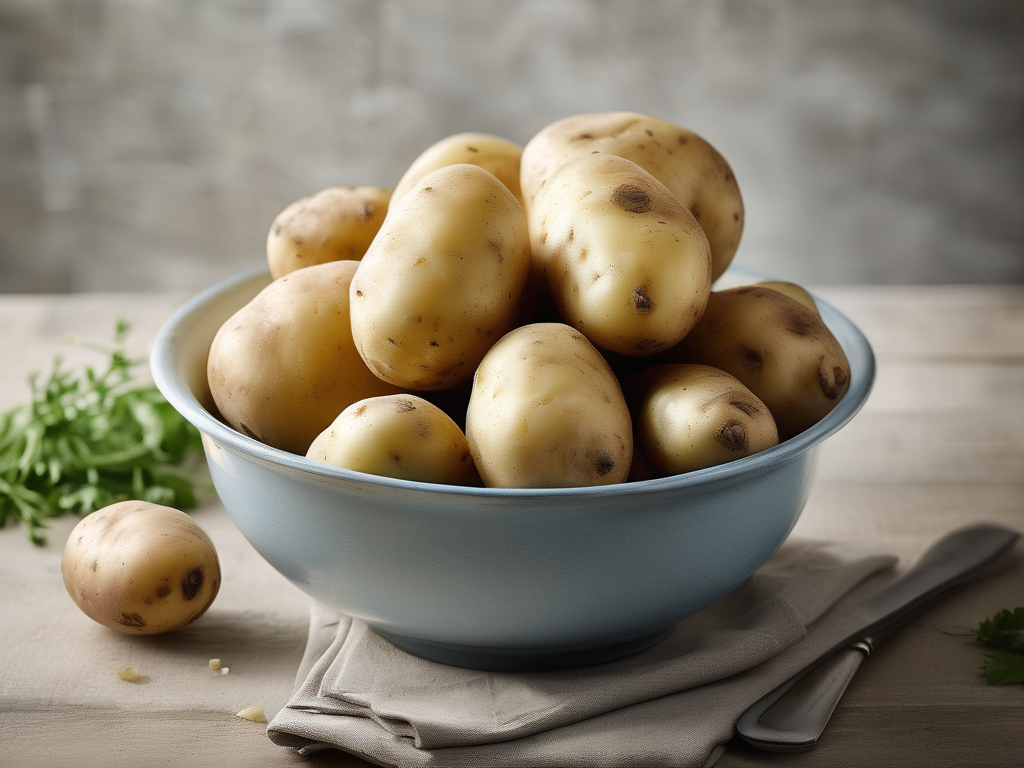
The Ultimate Guide to Instant Potatoes Shelf Life
The Ultimate Guide to Instant Potatoes Shelf Life
Instant potatoes, a convenient and versatile pantry staple, are a popular choice for quick and easy meals. Whether you're a busy parent looking to whip up a fast side dish or a camper needing a lightweight food option, instant potatoes can be a lifesaver. But how long do they actually last? In this comprehensive guide, we'll delve into the shelf life of instant potatoes, storage tips, and safety information to ensure you enjoy them at their best. (Potatoes)
Understanding Instant Potatoes
Instant potatoes, also known as instant mashed potatoes, are dehydrated potatoes that have been processed to create a quick-cooking product. These flakes or granules can be reconstituted with water or milk to create a mashed potato-like consistency. Instant potatoes are often seasoned and flavored for added convenience.
Nutritional Value of Instant Potatoes
Instant potatoes are a good source of carbohydrates and can provide some essential nutrients, including potassium, vitamin C, and fiber. However, they may contain added sodium and preservatives, so it's essential to read the label for specific nutritional information.
Dairy products require consistent cold storage to prevent spoilage and bacterial growth. A refrigerator thermometer (Amazon) helps ensure your refrigerator maintains safe temperatures (40°F or below).
Instant Potatoes Shelf Life
Proper storage is key to maintaining the quality and safety of instant potatoes. Here's a breakdown of the typical shelf life of instant potatoes under various storage conditions:
Unopened Instant Potatoes
- In a pantry: 1-2 years
- In the freezer: 2-3 years
Opened Instant Potatoes
- In a pantry: 6-12 months
- In the freezer: 1-2 years
Storage Tips for Instant Potatoes
To extend the shelf life of your instant potatoes and prevent spoilage, follow these storage tips:
-
Keep in a Cool, Dry Place: Store instant potatoes in an airtight container away from heat and moisture.
💡After opening, transferring dairy into an airtight container (Amazon) can reduce odor absorption, limit moisture exposure, and help slow bacterial growth.
-
Avoid Exposure to Light: Light can degrade the quality of instant potatoes, so store them in a dark pantry or cupboard.
-
Refrigerate After Opening: If you live in a humid environment, consider refrigerating opened instant potatoes to maintain freshness.
-
Check for Signs of Spoilage: Discard instant potatoes if they develop an off odor, flavor, or appearance.
common situation
Imagine you’re a busy parent juggling work, kids, and life’s endless errands. One evening, you find yourself short on time but still want to serve a comforting side dish with dinner. You reach for your stash of instant potatoes, knowing they can be ready in minutes, transforming a simple meal into a satisfying experience. Many parents have shared how instant potatoes have saved the day during hectic weekdays, allowing them to provide a warm meal with minimal effort.
Now picture yourself camping in the great outdoors with friends. You’ve packed instant potatoes to lighten your load while still enjoying a hearty meal. After a long day of hiking, you boil some water over the campfire and add your instant potatoes, creating a delicious side dish that complements your grilled protein perfectly. It’s these moments that highlight how versatile and convenient instant potatoes can be.
Additionally, Common situations include student living in a small apartment with limited cooking facilities. After a long day of classes and studying, they may want a quick meal to refuel without spending a lot of time in the kitchen. Instant potatoes can easily fit into their busy lifestyle, allowing them to enjoy a warm, comforting dish simply by adding hot water. Many college students have discovered that instant potatoes are not only a budget-friendly option but also a way to enjoy a homemade meal in minutes.
Scientific Context
Understanding the science behind instant potatoes can enhance your appreciation for this product. The dehydration process not only extends shelf life but also concentrates flavors and nutrients. When potatoes are dehydrated, they lose moisture content, which inhibits the growth of bacteria, molds, and yeasts that typically cause spoilage. This is why instant potatoes can last for such an extended period when stored correctly.
However, it’s important to note that the nutritional value can change slightly over time, especially if they are exposed to heat or moisture. Many people don’t realize that while the shelf life is long, the quality may degrade, so it’s wise to consume them within the recommended time frame. Proper reconstitution is also essential—the right temperature and method can make a significant difference in texture and taste.
The Science of Dehydration
Dehydration involves removing water content from food, which not only prevents spoilage but also allows for easier transport and storage. The water removal process concentrates flavors, often making instant potatoes taste richer than their fresh counterparts. This method of preservation is ancient, dating back centuries, and is still widely used today in various forms of food processing.
Common Mistakes
While instant potatoes are a convenient option, many people make a few common mistakes that can affect their quality and safety:
-
Not Checking the Expiration Date: It’s easy to forget about expiration dates, but using instant potatoes past their prime can lead to a less-than-desirable taste and texture.
-
Improper Storage: Storing instant potatoes in a damp environment or an opened bag can invite moisture into the product, leading to spoilage. Always ensure they are sealed tightly.
-
Ignoring Signs of Spoilage: Some may not realize that off smells, colors, or clumping can indicate that the product isn’t safe to eat. It’s crucial to trust your senses.
-
Using Unboiled Water: Many people simply add cold water to instant potatoes, but doing so can leave them gritty and unpalatable. Always remember to use boiling water for the best results.
Expert Insights
As a food safety expert, I can’t stress enough the importance of proper food handling and preparation. When making instant potatoes, always start with clean utensils and hands to minimize the risk of contamination. Additionally, if you’re reconstituting them with added ingredients, such as cheese or milk, ensure that those ingredients are fresh and stored correctly.
Another key tip is to make sure that any leftovers are stored properly. If you have prepared more than you can consume, refrigerate any unused portion in a sealed container within two hours of preparation. Consume leftovers within three to four days to ensure safety.
Experimenting with Instant Potatoes
One of the best parts about instant potatoes is their versatility. Beyond simply reconstituting them with water, many people have found creative ways to incorporate them into various dishes. For instance, adding instant potatoes to soups can give a creamy texture without the need for heavy cream. They can also be used as a binding agent in recipes like potato pancakes or even as a thickener for stews.
Additional Storage Methods
If you have a large supply of instant potatoes, consider these additional storage methods to prolong their life:
-
Vacuum Sealing: This method removes air from the packaging, which can slow down the degradation process. If you have a vacuum sealer, consider repackaging your instant potatoes to extend their shelf life.
-
Desiccants: Adding desiccant packs (food-safe moisture absorbers) to your storage container can help prevent moisture buildup and maintain product integrity.
-
Freezing: While not necessary for all, freezing opened packages can be an excellent way to prolong shelf life. Just ensure the package is sealed tightly, and label it with the date for tracking.
Safety Warnings
While instant potatoes are generally safe to consume, there are some important cautions to keep in mind:
-
Don’t Add Raw Ingredients: When preparing instant potatoes, avoid adding raw ingredients that may harbor bacteria. Always cook any meats or vegetables before mixing them into your potatoes.
-
Temperature Control: After preparing instant potatoes, they should not be left at room temperature for more than two hours. If the ambient temperature is above 90°F (32°C), that window shrinks to just one hour.
-
Allergies and Sensitivities: Always check for allergens if you’re trying a new brand or flavor of instant potatoes, as some may contain gluten, dairy, or other ingredients that could cause reactions in sensitive individuals.
-
Avoid Over-Processing: While it might be tempting to keep mixing or mashing the reconstituted potatoes for a smoother texture, over-processing can lead to a gummy consistency. Stir gently until just combined for the best texture.
Conclusion
In conclusion, instant potatoes are a convenient and versatile food item with a decent shelf life when stored properly. By understanding their shelf life, following storage tips, and practicing food safety, you can enjoy delicious instant mashed potatoes safely. Remember to check expiration dates, store them in a cool, dry place, and always follow safe food handling practices. With these tips in mind, you can make the most of your instant potatoes for months to come. Enjoy your tasty and convenient side dish with peace of mind! (Potatoes)
Related Posts
Here are some other articles you might find helpful:
Authoritative Food Safety References
These agencies and university labs inform every tip and health precaution we publish.
USDA FoodKeeper – Cold Storage Guidelines
Official refrigerator, freezer, and pantry timelines maintained by the U.S. Department of Agriculture.
Visit USDA FoodKeeperFDA Produce Safety Rule & Grower Guidance
Field-to-fridge handling practices that prevent contamination of fruits, vegetables, and leafy greens.
Visit FDA Produce SafetyCDC Foodborne Illness Prevention Hub
Surveillance-backed guidance on pathogens, symptoms, and steps to reduce foodborne illness risk.
Visit CDC Food SafetyUC Davis Postharvest Technology Center
University research detailing optimal storage atmospheres for produce after harvest.
Visit UC Davis PostharvestPenn State Extension – Home Food Preservation & Safety
Peer-reviewed extension bulletins on safe canning, chilling, and reheating practices.
Visit Penn State ExtensionDisclosure: As an Amazon Associate, we earn from qualifying purchases. This helps support our site and allows us to continue providing free food safety information.