How to Store Leftover Curry Paste for Maximum Freshness
How to Store Leftover Curry Paste for Maximum Freshness
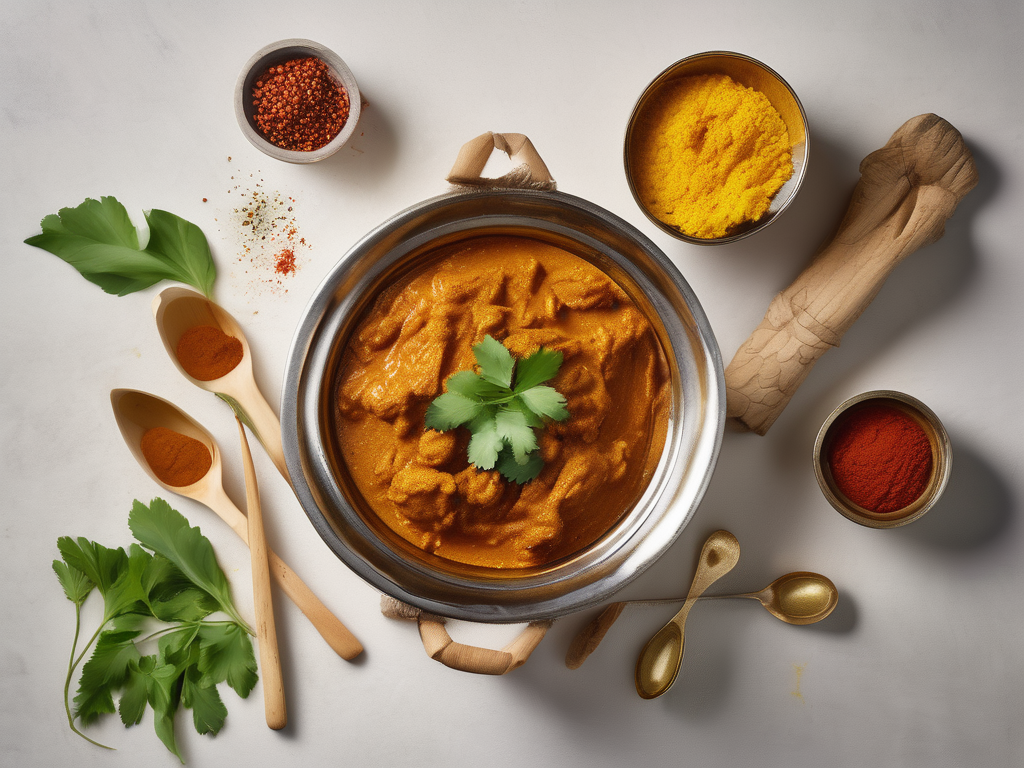
Curry paste is a versatile and flavorful ingredient that can enhance the taste of various dishes, from curries to soups and marinades. However, once you open a jar or package of curry paste, you may not use it all at once. Proper storage is crucial to maintain its freshness, flavor, and quality. In this blog post, we will discuss the best practices for storing leftover curry paste to ensure it stays fresh for longer. (Curry paste)
Why is Proper Storage Important for Curry Paste?
Curry paste contains a combination of spices, herbs, and aromatics that can degrade quickly when exposed to air, light, heat, and moisture. Improper storage can lead to the loss of flavor, color, and aroma, as well as the growth of harmful bacteria. To preserve the quality and safety of your leftover curry paste, follow these storage guidelines.
1. Refrigeration is Key
- Store leftover curry paste in an airtight container or a resealable plastic bag.
- Place the container in the refrigerator promptly after each use.
- Keep the curry paste away from strong-smelling foods to prevent flavor transfer.
2. Freezing for Long-Term Storage
- If you have a large quantity of leftover curry paste, consider freezing it for longer shelf life.
- Portion the curry paste into smaller containers or ice cube trays for easy thawing and portioning.
- Label the containers with the date of freezing for tracking freshness.
3. Protect from Light and Heat
- Store curry paste in a dark and cool place away from direct sunlight and heat sources.
- Avoid placing the container near the stove, oven, or other appliances that emit heat.
4. Check for Signs of Spoilage
- Before using leftover curry paste, inspect it for any signs of mold, off-odor, or discoloration.
- If the curry paste looks or smells off, discard it immediately to prevent foodborne illness.
Tips for Maximizing Freshness
To ensure that your leftover curry paste stays fresh and flavorful for as long as possible, consider the following tips:
- Use Clean Utensils: When scooping out curry paste from the container, use clean and dry utensils to prevent contamination.
- Avoid Double-Dipping: Do not double-dip used utensils into the curry paste to prevent introducing bacteria.
- Keep the Lid Tight: Always seal the container tightly after each use to prevent air exposure.
- Rotate Stock Regularly: If you have multiple jars of curry paste, use the older ones first to maintain freshness.
Conclusion
Proper storage is essential for maintaining the quality and safety of leftover curry paste. By following the tips outlined in this blog post, you can prolong the shelf life of your curry paste and enjoy its delicious flavors in your recipes for longer periods. Remember to refrigerate or freeze the curry paste promptly, protect it from light and heat, and check for signs of spoilage before use. With these simple practices, you can savor the authentic taste of curry paste in your culinary creations. [Check out our selection of curry paste](/food/curry paste) to get started on your flavorful journey! (Curry paste)
Related Posts
Here are some other articles you might find helpful:
Authoritative Food Safety References
These agencies and university labs inform every tip and health precaution we publish.
USDA FoodKeeper – Cold Storage Guidelines
Official refrigerator, freezer, and pantry timelines maintained by the U.S. Department of Agriculture.
Visit USDA FoodKeeperFDA Produce Safety Rule & Grower Guidance
Field-to-fridge handling practices that prevent contamination of fruits, vegetables, and leafy greens.
Visit FDA Produce SafetyCDC Foodborne Illness Prevention Hub
Surveillance-backed guidance on pathogens, symptoms, and steps to reduce foodborne illness risk.
Visit CDC Food SafetyUC Davis Postharvest Technology Center
University research detailing optimal storage atmospheres for produce after harvest.
Visit UC Davis PostharvestPenn State Extension – Home Food Preservation & Safety
Peer-reviewed extension bulletins on safe canning, chilling, and reheating practices.
Visit Penn State Extension