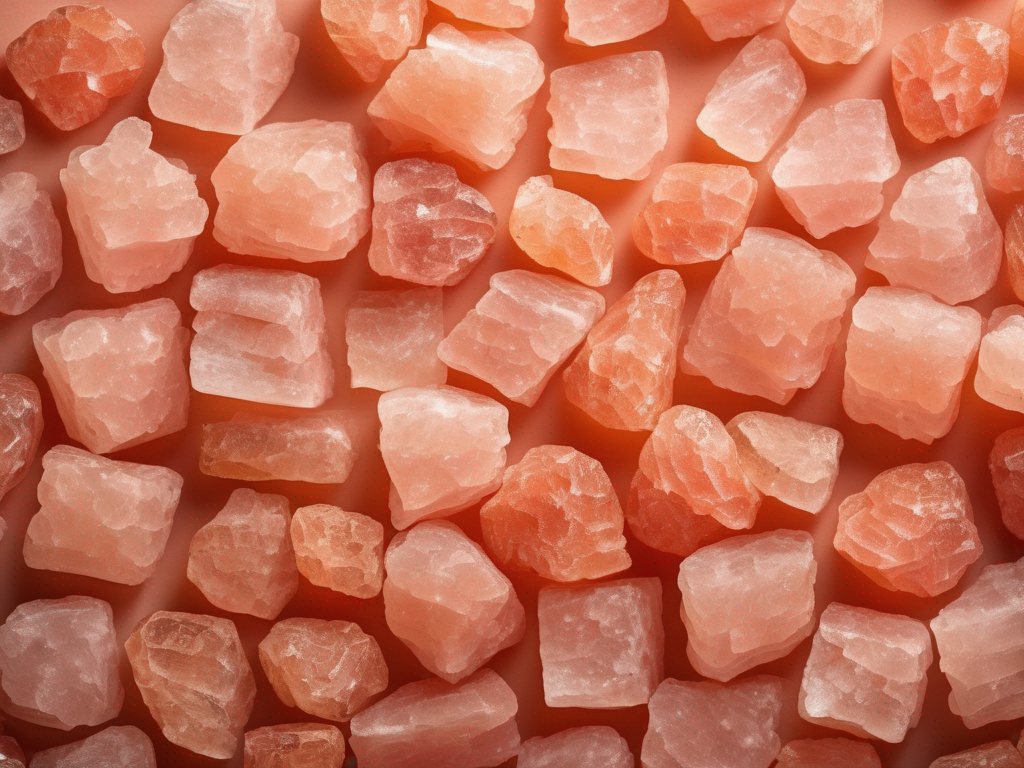
The Ultimate Guide to Storing Himalayan Pink Salt
CanIEatExpired.com Team
# The Ultimate Guide to Storing Himalayan Pink Salt

When it comes to enhancing the flavor of your dishes and adding a touch of elegance to your culinary creations, **[Himalayan pink salt](/food/himalayan pink salt)** is a popular choice among chefs and home cooks alike. This beautiful and versatile salt not only provides a unique taste but also offers various nutritional quality due to its rich mineral content. However, to fully enjoy the benefits of Himalayan pink salt, proper storage is essential to prevent clumping and moisture. In this comprehensive guide, we will explore the best practices for storing Himalayan pink salt to maintain its quality and flavor. ([Himalayan pink salt](https://canieatexpired.com/food/himalayan-pink-salt))

## Why Proper Storage is Important for Himalayan Pink Salt

Before delving into the specifics of how to store Himalayan pink salt, it is crucial to understand why proper storage is essential. Himalayan pink salt is hygroscopic, which means it has a tendency to absorb moisture from the air. When exposed to humidity, the salt can clump together, making it challenging to sprinkle or measure accurately. Additionally, moisture can lead to the degradation of the salt quality and flavor over time. By storing Himalayan pink salt correctly, you can prolong its shelf life, maintain its texture, and preserve its delicate flavor profile.

## Choosing the Right Container

When it comes to storing Himalayan pink salt, the type of container you use plays a significant role in preserving its quality. Here are some tips for selecting the right container:

### Material
- Opt for a container made of non-reactive materials such as glass, ceramic, or stainless steel.
- Avoid storing Himalayan pink salt in plastic containers, as plastic can absorb odors and affect the salt's taste.

### Size
- Choose a container that is appropriately sized to accommodate the amount of salt you typically use. A smaller container can help prevent exposure to excess air and moisture.

### Sealability
- Look for a container with a tight-fitting lid or airtight seal to prevent air and moisture from reaching the salt.

## Proper Storage Conditions

To ensure the longevity and quality of your Himalayan pink salt, it is essential to store it in the right conditions. Follow these guidelines for optimal storage:

### Keep Away from Moisture
- Store Himalayan pink salt in a cool, dry place away from sources of humidity, such as the stove, sink, or dishwasher.
- Avoid storing the salt near steam or heat sources in the kitchen.

### Avoid Direct Sunlight
- Exposure to direct sunlight can alter the color and flavor of Himalayan pink salt. Store it in a dark cabinet or pantry to protect it from light exposure.

### Maintain Consistent Temperature
- Fluctuations in temperature can lead to condensation and moisture buildup in the salt container. Keep the storage area at a consistent room temperature.

### Use Silica Gel Packs
- Placing silica gel packs in the salt container can help absorb excess moisture and prevent clumping. Make sure the silica gel packs are food-grade and safe for use with salt.

## common situation: When Improper Storage Hits Home

Many people don’t realize how crucial proper storage is until they face an issue. For instance, consider Jennifer, an avid home cook who prides herself on using Himalayan pink salt in her gourmet dishes. She once left her salt in a decorative bowl on the countertop. After a few days of humid weather, she noticed the salt had turned into a solid lump. Frustrated, she spent time breaking it apart, only to find that the salt had lost its delicate texture and flavor.

Or take the case of Mark, who bought a large bag of Himalayan pink salt to stock up for his summer barbecues. He stored it in a plastic container in the pantry, thinking it was safe. After a few months, he opened it only to discover that his salt had absorbed the smells of nearby spices and had clumped significantly. Mark learned an important lesson about the importance of proper materials for salt storage.

### What These Stories Teach Us
Both Jennifer and Mark's experiences highlight the fundamental need for proper storage techniques. It’s easy to overlook the simple act of storing salt correctly, but doing so can significantly enhance your culinary experience.

## Additional Tips for Storing Himalayan Pink Salt

In addition to the container and storage conditions, here are some extra tips to keep your Himalayan pink salt fresh and flavorful:

### Rotate Stock Regularly
- If you purchase Himalayan pink salt in bulk, consider transferring a portion of it to a smaller container for daily use and keep the rest sealed until needed.

### Label the Container
- To avoid confusion with other salts or seasonings, label the salt container clearly with the date of purchase and expiry if applicable.

### Use a Salt Grinder
- If you prefer a finer texture, consider using a salt grinder to freshly grind the Himalayan pink salt as needed. This can help prevent clumping and maintain its delicate texture.

### Store in Multiple Locations
- If you use Himalayan pink salt frequently, consider storing small amounts in different locations for convenience. This can help prevent excessive exposure to air and moisture each time you open the container.

## Common Mistakes in Storing Himalayan Pink Salt

While many strive to keep their Himalayan pink salt fresh, several common mistakes can compromise its quality:

### Ignoring Humidity
- People often underestimate the effects of humidity on salt. It’s best to avoid storing it in areas where moisture is prevalent, like near the dishwasher or sink.

### Using Wrong Containers
- Choosing plastic or non-airtight containers can lead to unwanted contamination and moisture absorption. Always opt for glass or ceramic containers.

### Overlooking Expiration
- Although Himalayan pink salt doesn’t technically expire, its quality can diminish over time due to improper storage. Regularly checking your salt can help maintain its flavor profile.

## Expert Insights: Professional Recommendations

As a food safety expert, I encourage everyone to think of salt storage as an important part of kitchen hygiene. It might seem trivial, but the right practices can enhance your culinary experience. For example, ensuring that your workspace is clean before using Himalayan pink salt can prevent any unwanted contaminants from affecting its quality.

### Nutritional Considerations
Himalayan pink salt is rich in minerals such as magnesium, potassium, and calcium. These minerals contribute to its unique flavor and nutritional quality. By preserving the salt correctly, you’re not just maintaining its taste—you’re also ensuring that you’re getting the full nutritional benefits.

## Storage Methods: Alternatives to Consider

If you’re looking for additional ways to store Himalayan pink salt, consider these alternatives:

### Vacuum Sealing
- For those who buy in bulk, vacuum sealing salt can provide a highly effective way to keep it fresh. This method removes air and minimizes moisture exposure.

### Use of Airtight Jars
- If you love the aesthetic of glass, consider using airtight glass jars. These not only protect the salt but also allow you to showcase its beautiful color in your kitchen.

## Safety Warnings: Important Considerations

While Himalayan pink salt is generally safe to use, there are a few safety tips to keep in mind:

- **Check for Contamination**: Always ensure that your salt has not come into contact with any foreign substances or contaminants.
- **Watch for Clumping**: If you notice unusual clumping that is difficult to break apart, it may be time to consider discarding the salt, as contaminants could be present.
- **Avoid Excessive Exposure**: Limit the number of times you open the container to prevent moisture and air from degrading the salt's quality.

## Conclusion

Proper storage is key to preserving the quality and flavor of Himalayan pink salt. By choosing the right container, maintaining ideal storage conditions, and following practical tips, you can ensure that your salt remains fresh, free from clumps, and ready to enhance your culinary creations. Incorporate these storage practices into your routine to make the most of this prized ingredient in your kitchen. Happy cooking! ([Himalayan pink salt](https://canieatexpired.com/food/himalayan-pink-salt))

## Related Posts

Here are some other articles you might find helpful:

- [The Best Way to Store Himalayan Pink Salt for Optimal Freshness](/blog/what-is-the-best-way-to-store-himalayan-pink-salt-for-optimal-freshness)
- [How Long Can You Keep Himalayan Pink Salt Before It Expires?](/blog/how-long-can-you-keep-himalayan-pink-salt-before-it-expires)
Authoritative Food Safety References
These agencies and university labs inform every tip and health precaution we publish.
USDAOfficial guidance
USDA FoodKeeper – Cold Storage Guidelines
Official refrigerator, freezer, and pantry timelines maintained by the U.S. Department of Agriculture.
Visit USDA FoodKeeperFDAOfficial guidance
FDA Produce Safety Rule & Grower Guidance
Field-to-fridge handling practices that prevent contamination of fruits, vegetables, and leafy greens.
Visit FDA Produce SafetyCDCOfficial guidance
CDC Foodborne Illness Prevention Hub
Surveillance-backed guidance on pathogens, symptoms, and steps to reduce foodborne illness risk.
Visit CDC Food SafetyResearchUniversity research
UC Davis Postharvest Technology Center
University research detailing optimal storage atmospheres for produce after harvest.
Visit UC Davis PostharvestResearchUniversity research
Penn State Extension – Home Food Preservation & Safety
Peer-reviewed extension bulletins on safe canning, chilling, and reheating practices.
Visit Penn State ExtensionOur articles are created using a combination of AI assistance and human review. All food safety information is based on USDA guidelines and credible sources. Learn more about our review process here.