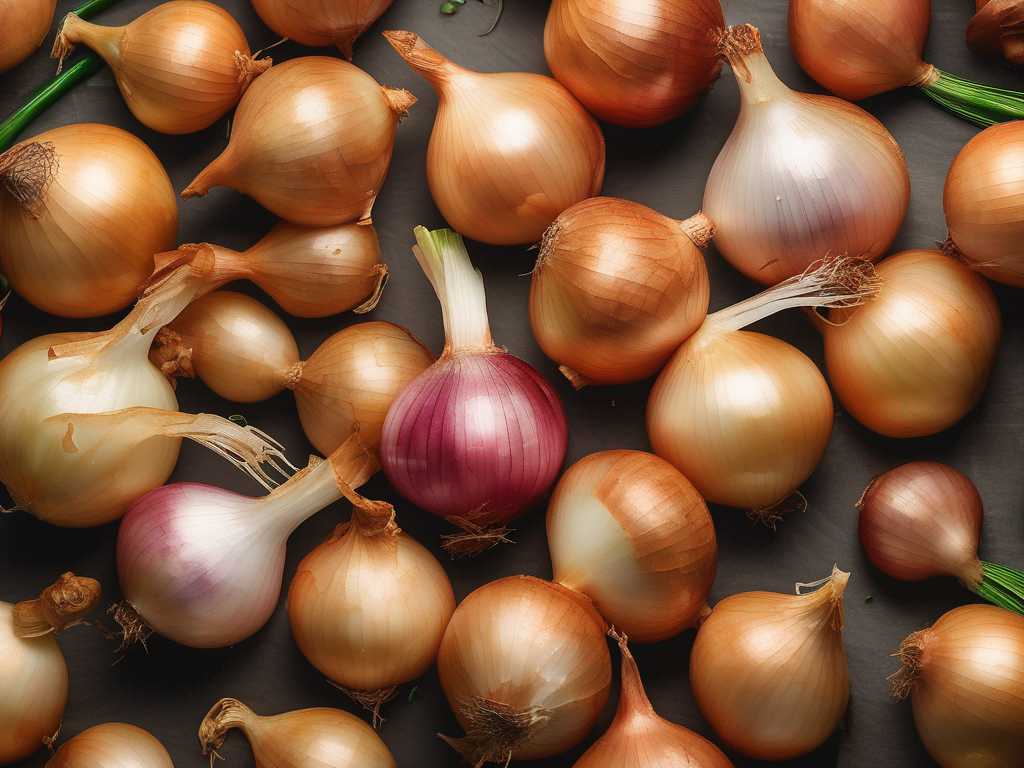
How to Store Garden Onions to Prevent Sprouting and Rot
CanIEatExpired.com Team
# How to Store Garden Onions to Prevent Sprouting and Rot

Garden onions are a versatile and flavorful ingredient used in a wide variety of dishes. To enjoy their freshness and flavor for a longer time, proper storage is crucial. Improper storage can lead to sprouting, rotting, and loss of flavor. In this guide, we will discuss the best practices for storing garden onions to prevent sprouting and rot. ([Garden onion](https://canieatexpired.com/food/garden-onion))

## Understanding the Storage Needs of Garden Onions

Garden onions are sensitive to moisture, light, and temperature fluctuations. To ensure they stay fresh and flavorful for an extended period, it is essential to store them in optimal conditions. Here are some key factors to consider:

### Temperature

- **Cool and Dry:** Garden onions prefer cool temperatures between 32-40°F (0-4°C). Storing them in a cool, dry place helps to slow down sprouting and rotting.

### Humidity

- **Low Humidity:** Onions should be stored in a low humidity environment to prevent mold growth and sprouting. Excess moisture can cause onions to rot quickly.

### Light

- **Darkness:** Onions should be stored in a dark place as exposure to light can trigger sprouting. Opt for a storage location away from direct sunlight.

### Air Circulation

- **Good Ventilation:** Onions need good air circulation to prevent moisture buildup. Avoid storing them in airtight containers or plastic bags.

## Best Practices for Storing Garden Onions

Proper storage is essential to maintain the quality and freshness of garden onions. Follow these tips to prevent sprouting and rot:

1. **Cure Before Storage:**
   - Allow freshly harvested onions to cure in a warm, dry place for 2-3 weeks. This process helps to toughen the outer skins and extend their shelf life.

2. **Choose the Right Storage Location:**
   - Select a cool, dark, and well-ventilated storage area for your onions. A pantry, cellar, or garage can be suitable options.

3. **Avoid Moisture:**
   - Store onions in a dry environment to prevent mold growth and rot. Avoid storing them near areas prone to moisture, such as sinks or dishwashers.

4. **Use Proper Containers:**
   - Opt for mesh bags, wire baskets, or wooden crates to store onions. These containers provide good air circulation and help prevent moisture buildup.

5. **Check Regularly:**
   - Periodically inspect your stored onions for any signs of sprouting or rot. Remove any onions showing decay to prevent it from spreading to others.

6. **Separate Varieties:**
   - Store different onion varieties separately to prevent them from absorbing each other's flavors and odors.

## Safety Tips for Storing Garden Onions

Ensuring food safety is paramount when storing garden onions. Follow these safety tips to prevent contamination and ensure the quality of your onions:

- **Inspect for Damage:** Before storing onions, check for any signs of damage, mold, or soft spots. Discard any onions that show signs of spoilage.

- **Keep Away from Contaminants:** Store onions away from chemicals, cleaning products, and other contaminants that can affect their quality.

- **Wash Before Use:** Before using onions, wash them thoroughly under running water to remove any dirt or debris.

- **Use FIFO Method:** Practice the "First In, First Out" method when using stored onions. Use the oldest onions first to maintain freshness.

- **Refrigeration:** Once an onion is cut, refrigerate any unused portions in a sealed container to prevent bacterial growth.

## common situation: When It Matters

Imagine you’ve just harvested a bountiful crop of garden onions, feeling proud as you admire your efforts. However, a few weeks later, you notice that a portion of them has sprouted or developed soft spots. This situation is frustrating but entirely preventable with the right storage practices.

In another situation, you’re preparing for a family gathering and decide to whip up a savory onion soup. You reach for your stored onions only to find that they’ve gone bad. Understanding the right conditions to store them could mean the difference between a delicious dish and a disappointing meal.

Lastly, consider the case of someone who has a small kitchen with limited storage options. They often leave their onions out on the countertop, not realizing that the warm temperatures and light exposure are promoting sprouting. By educating them about the importance of a cool, dark place, you could help them enjoy their onions longer.

## Scientific Context: The Why Behind the Storage Recommendations

Understanding the science of how onions store can help you appreciate their needs. Onions are bulbs that accumulate starch, which can convert to sugar as they sprout. When stored improperly, the enzymatic reactions within the onion can lead to spoilage. The key is to slow down these reactions through proper storage.

Research shows that cooler temperatures inhibit sprouting. A study published in the Journal of Food Science found that onions stored at temperatures of 32°F (0°C) had significantly reduced sprouting rates compared to those stored at higher temperatures.

Additionally, low humidity slows down moisture-related decay. Onions are about 90% water, so when they’re exposed to high humidity, they are more prone to fungal infections and sprouting. Proper air circulation allows moisture to escape, further extending their shelf life.

## Common Mistakes to Avoid

Many people unknowingly make mistakes when it comes to storing garden onions. Here are some of the most common pitfalls:

- **Storing in Plastic Bags:** It’s a common misconception that plastic bags keep onions fresher. In reality, these bags trap moisture and lead to rot. Always opt for breathable materials.

- **Ignoring Temperature Changes:** Some may think that any cool space is adequate. However, fluctuations in temperature can encourage sprouting. Consistent, cool temperatures are essential.

- **Not Curing Fresh Onions:** Freshly harvested onions need to be cured properly. Skipping this step can lead to quicker spoilage.

- **Keeping Onions in the Fridge:** While uncut onions should ideally be stored in a cool, dark place, storing them in the refrigerator can actually alter their flavor and promote sprouting due to the moisture.

## Practical Tips for Longevity

If you're serious about keeping your garden onions fresh for as long as possible, consider implementing the following actionable tips:

- **Use Newspaper Linings:** Consider lining your storage containers with newspaper. This can help absorb excess moisture and keep your onions dry.

- **Hang Your Onions:** If you have the space, try hanging your onions in mesh bags or stockings. This method promotes airflow and keeps them from touching, reducing the risk of rot.

- **Regular Reminders:** Set a reminder on your calendar to check on your stored onions once a week. Regular inspections can help you catch any issues before they spread.

- **Freezing for Long-Term Storage:** If you find that you have too many onions to use in a reasonable time, consider chopping and freezing them. Just be sure to blanch them briefly before freezing, which helps preserve their flavor and texture.

## Expert Insights on Food Safety

As a food safety expert, I often emphasize the importance of being proactive with food storage. Understanding the unique characteristics of garden onions can dramatically extend their usability. I’ve found that many people don’t realize how much their storage practices impact not just the quality but also the safety of their food.

Always remember that food safety starts before you even store it. Maintain cleanliness in your storage areas and ensure there are no contaminants nearby. Educating yourself and others about these practices can lead to not just better meals but also a safer kitchen environment.

## Conclusion

Proper storage is key to preserving the freshness and flavor of garden onions. By following the tips outlined in this guide, you can prevent sprouting and rot, ensuring that your onions stay fresh for an extended period. Remember to choose a suitable storage location, maintain low humidity, and check your onions regularly for any signs of spoilage. With the right storage practices, you can enjoy the delicious taste of garden onions in your favorite recipes for weeks to come. ([Garden onion](https://canieatexpired.com/food/garden-onion))

## Related Posts

Here are some other articles you might find helpful:

- [How to Properly Store Garden Onion Var to Prevent Mold and Spoilage](/blog/how-to-properly-store-garden-onion-var-to-prevent-mold-and-spoilage)
- [Top Tips for Storing Garden Onion Var to Keep Them Fresh Longer](/blog/top-tips-for-storing-garden-onion-var-to-keep-them-fresh-longer)
- [When to Discard Wilted Allium from the Pantry](/blog/when-to-discard-wilted-allium-from-the-pantry)
- [How to Prevent Moldy Allium: Storage Tips for Keeping Your Allium Fresh](/blog/storage-tips-for-preventing-moldy-allium)
- [Preserving Allium for Longer Freshness: Tips and Tricks](/blog/how-to-preserve-allium-for-longer-freshness)
Authoritative Food Safety References
These agencies and university labs inform every tip and health precaution we publish.
USDAOfficial guidance
USDA FoodKeeper – Cold Storage Guidelines
Official refrigerator, freezer, and pantry timelines maintained by the U.S. Department of Agriculture.
Visit USDA FoodKeeperFDAOfficial guidance
FDA Produce Safety Rule & Grower Guidance
Field-to-fridge handling practices that prevent contamination of fruits, vegetables, and leafy greens.
Visit FDA Produce SafetyCDCOfficial guidance
CDC Foodborne Illness Prevention Hub
Surveillance-backed guidance on pathogens, symptoms, and steps to reduce foodborne illness risk.
Visit CDC Food SafetyResearchUniversity research
UC Davis Postharvest Technology Center
University research detailing optimal storage atmospheres for produce after harvest.
Visit UC Davis PostharvestResearchUniversity research
Penn State Extension – Home Food Preservation & Safety
Peer-reviewed extension bulletins on safe canning, chilling, and reheating practices.
Visit Penn State ExtensionOur articles are created using a combination of AI assistance and human review. All food safety information is based on USDA guidelines and credible sources. Learn more about our review process here.