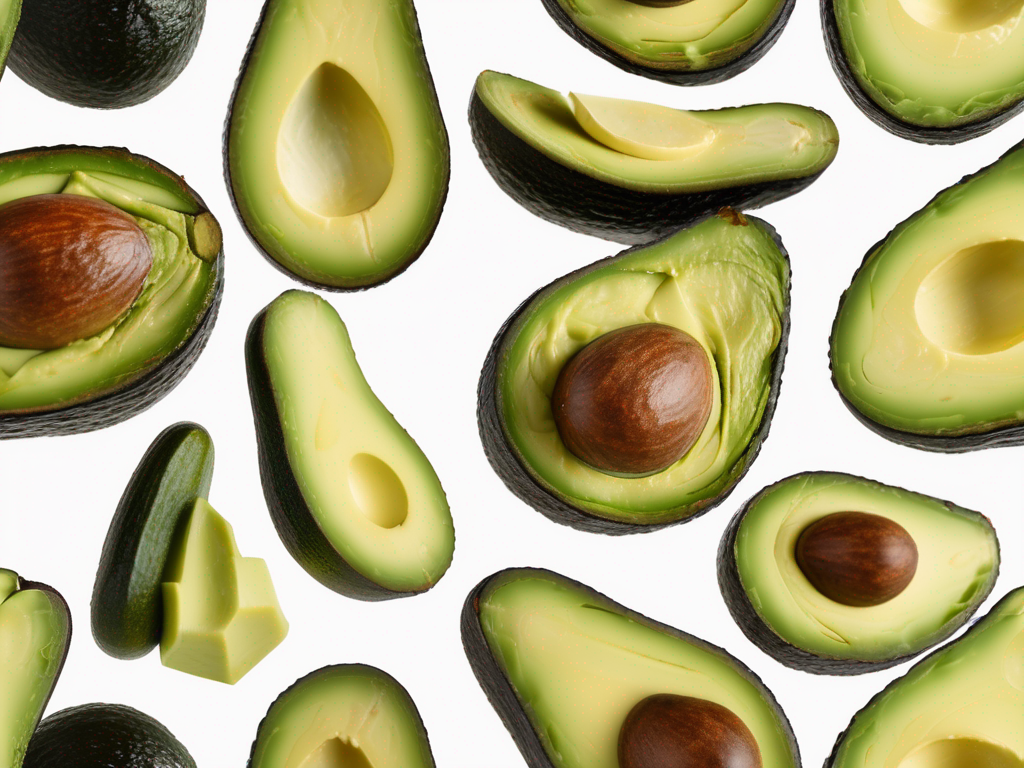
How to Store Fresh Avocados Cut to Prevent Browning
How to Store Fresh Avocados Cut to Prevent Browning
Avocados are a versatile and delicious fruit that can be enjoyed in various dishes, from salads to smoothies. However, once an avocado is cut open, it tends to oxidize quickly, turning brown and losing its appeal. In this blog post, we will explore the best practices for storing fresh avocados cut to prevent browning and extend their shelf life. (Fresh avocados cut)
Why Do Avocados Turn Brown?
Before diving into storage tips, it's essential to understand why avocados turn brown when exposed to air. When an avocado is cut or bruised, enzymes in the fruit react with oxygen, leading to oxidation. This process causes the avocado flesh to turn brown, affecting both its appearance and taste. To prevent this browning reaction, it's crucial to take proper storage measures.
Tips for Storing Fresh Avocados Cut
Here are some practical tips to help you store fresh avocados cut to maintain their freshness and prevent browning:
Proper airflow and humidity control can significantly extend produce freshness. Many households use produce storage containers (Amazon) in the refrigerator to regulate moisture and slow spoilage.
-
Use Lemon Juice or Vinegar: Both lemon juice and vinegar are acidic liquids that can help slow down the oxidation process in avocados. The citric acid in lemon juice and vinegar can help preserve the green color of the fruit.
-
Wrap Tightly: When storing a cut avocado, make sure to wrap it tightly in plastic wrap, ensuring there is minimal exposure to air. Press the plastic wrap directly onto the surface of the avocado to create a seal.
-
Store in an Airtight Container: If you prefer not to use plastic wrap, you can store cut avocados in an airtight container. Make sure the container is just the right size to minimize the avocado's exposure to air.
-
Leave the Pit: Leaving the avocado pit in one half of the fruit can help slow down the browning process. The pit can act as a barrier, preventing air from reaching the flesh directly.
-
Use Olive Oil: Another effective method to prevent avocado browning is to brush the exposed flesh with a thin layer of olive oil. The oil creates a protective barrier against oxygen, helping to keep the avocado fresh.
Safety Precautions for Storing Cut Avocados
While storing cut avocados, it's crucial to follow proper food safety guidelines to ensure the fruit remains safe to eat:
-
Refrigerate Promptly: Cut avocados should be refrigerated promptly to slow down the oxidation process and inhibit bacterial growth. Store them in the coldest part of the refrigerator.
-
Check for Spoilage: Before consuming a stored cut avocado, always check for any signs of spoilage, such as an off smell, mold, or slimy texture. If the avocado looks or smells suspicious, discard it.
-
Avoid Cross-Contamination: When storing cut avocados, make sure they are kept separate from other foods to prevent cross-contamination. Store them in a designated section of the refrigerator.
-
Use Clean Utensils: When handling cut avocados, always use clean utensils and cutting boards to avoid introducing bacteria onto the fruit's flesh.
Conclusion
By following these storage tips and safety precautions, you can extend the shelf life of fresh avocados cut and enjoy them at their best. Whether you use lemon juice, vinegar, or olive oil, these methods can help preserve the vibrant green color and flavor of avocados for longer periods. Remember to store cut avocados properly in the refrigerator and check for spoilage before consuming them. With these simple techniques, you can prevent browning and make the most of your delicious avocados. Enjoy! (Fresh avocados cut)
Related Posts
Here are some other articles you might find helpful:
Authoritative Food Safety References
These agencies and university labs inform every tip and health precaution we publish.
USDA FoodKeeper – Cold Storage Guidelines
Official refrigerator, freezer, and pantry timelines maintained by the U.S. Department of Agriculture.
Visit USDA FoodKeeperFDA Produce Safety Rule & Grower Guidance
Field-to-fridge handling practices that prevent contamination of fruits, vegetables, and leafy greens.
Visit FDA Produce SafetyCDC Foodborne Illness Prevention Hub
Surveillance-backed guidance on pathogens, symptoms, and steps to reduce foodborne illness risk.
Visit CDC Food SafetyUC Davis Postharvest Technology Center
University research detailing optimal storage atmospheres for produce after harvest.
Visit UC Davis PostharvestPenn State Extension – Home Food Preservation & Safety
Peer-reviewed extension bulletins on safe canning, chilling, and reheating practices.
Visit Penn State ExtensionDisclosure: As an Amazon Associate, we earn from qualifying purchases. This helps support our site and allows us to continue providing free food safety information.