The Ultimate Guide to Storing Carob Powder for Maximum Freshness
The Ultimate Guide to Storing Carob Powder for Maximum Freshness
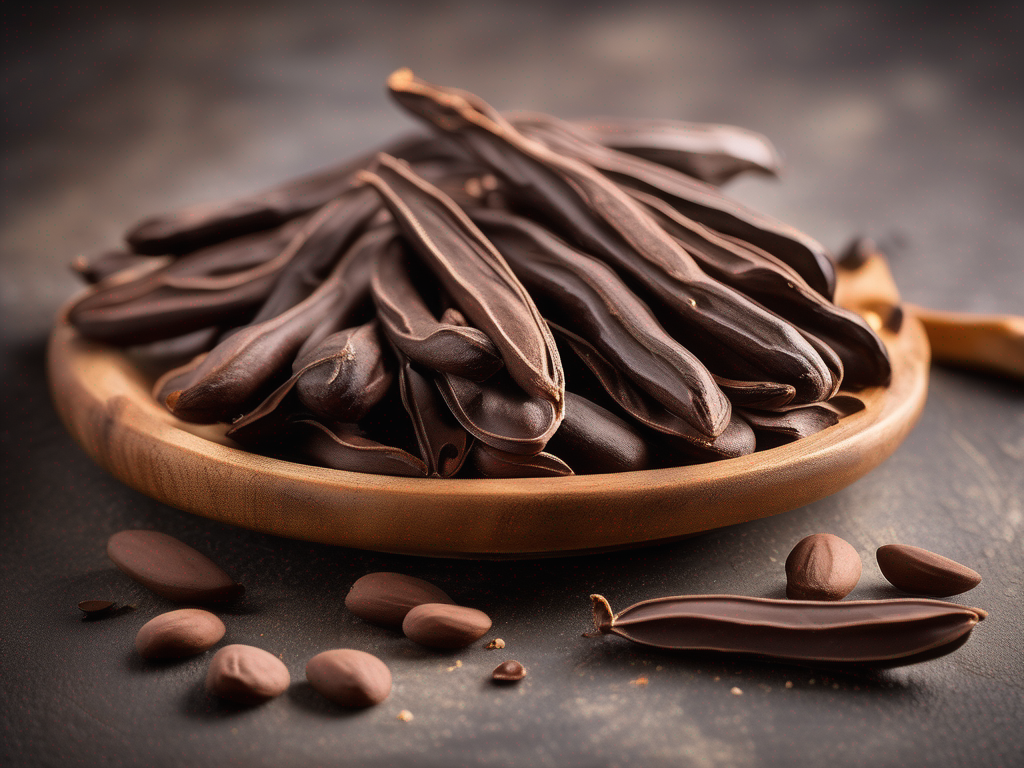
Carob powder is a popular alternative to cocoa powder, known for its sweet and earthy flavor. Whether you use it for baking, smoothies, or hot beverages, proper storage is key to maintaining its freshness and flavor. In this guide, we will explore the best practices for storing carob powder to ensure it stays at its best for as long as possible. (Carob)
Why Proper Storage Matters for Carob Powder
Carob powder, like many other food products, can degrade in quality if not stored correctly. Factors such as exposure to air, light, heat, and moisture can cause the powder to lose its flavor, aroma, and nutritional value. Proper storage not only helps maintain the quality of the carob powder but also prevents it from spoiling prematurely.
Factors that Affect Carob Powder Freshness
- Air: Exposure to air can lead to oxidation, causing the carob powder to lose its flavor and color over time.
- Light: UV light can degrade the quality of carob powder, leading to flavor changes and nutrient loss.
- Heat: High temperatures can accelerate the breakdown of the powder's natural compounds, affecting its taste and aroma.
- Moisture: Carob powder can absorb moisture from the air, leading to clumping and spoilage.
Best Practices for Storing Carob Powder
To ensure your carob powder remains fresh and flavorful, follow these storage tips:
1. Choose the Right Container
- Use an airtight container to prevent air from reaching the powder.
- Opt for a dark-colored container to protect the powder from light exposure.
- Select a container made of glass or opaque plastic to shield the powder from UV rays.
2. Store in a Cool, Dark Place
- Keep carob powder away from heat sources such as stoves, ovens, and direct sunlight.
- Store the container in a cool, dark pantry or cupboard to maintain optimal freshness.
- Avoid storing carob powder near appliances that generate heat, such as the refrigerator or dishwasher.
3. Minimize Exposure to Air
- When not in use, ensure the container is tightly sealed to prevent air from entering.
- Consider using a vacuum sealer to remove excess air from the container before sealing it.
- Use smaller containers to minimize the amount of air that comes into contact with the powder when opening the container.
4. Monitor Moisture Levels
- Place a desiccant packet or silica gel pack in the container to absorb excess moisture.
- Store the container in a dry environment to prevent clumping and spoilage.
- Check the powder periodically for any signs of moisture buildup or clumping.
5. Avoid Temperature Fluctuations
- Keep carob powder in a stable environment with consistent temperature levels.
- Avoid placing the container near sources of heat or cold drafts that can cause temperature fluctuations.
- Store the powder away from the stove, oven, or any other appliances that emit heat.
Additional Tips for Storing Carob Powder
- Label the container with the date of purchase to track its freshness.
- Avoid transferring carob powder to a different container unless necessary to prevent unnecessary exposure to air and light.
- Use a clean, dry spoon to scoop out the powder to prevent contamination.
Conclusion
Proper storage is essential for maintaining the freshness and quality of carob powder. By following the tips outlined in this guide, you can ensure that your carob powder stays flavorful and aromatic for an extended period. Remember to store the powder in an airtight container, away from light, heat, and moisture, and monitor its condition regularly to prevent spoilage. With the right storage practices, you can enjoy the rich taste of carob powder in your favorite recipes for longer periods. Learn more about carob here. (Carob)
Related Posts
Here are some other articles you might find helpful:
Authoritative Food Safety References
These agencies and university labs inform every tip and health precaution we publish.
USDA FoodKeeper – Cold Storage Guidelines
Official refrigerator, freezer, and pantry timelines maintained by the U.S. Department of Agriculture.
Visit USDA FoodKeeperFDA Produce Safety Rule & Grower Guidance
Field-to-fridge handling practices that prevent contamination of fruits, vegetables, and leafy greens.
Visit FDA Produce SafetyCDC Foodborne Illness Prevention Hub
Surveillance-backed guidance on pathogens, symptoms, and steps to reduce foodborne illness risk.
Visit CDC Food SafetyUC Davis Postharvest Technology Center
University research detailing optimal storage atmospheres for produce after harvest.
Visit UC Davis PostharvestPenn State Extension – Home Food Preservation & Safety
Peer-reviewed extension bulletins on safe canning, chilling, and reheating practices.
Visit Penn State Extension