How to Store Black Garlic to Prevent Mold and Spoilage
How to Store Black Garlic to Prevent Mold and Spoilage
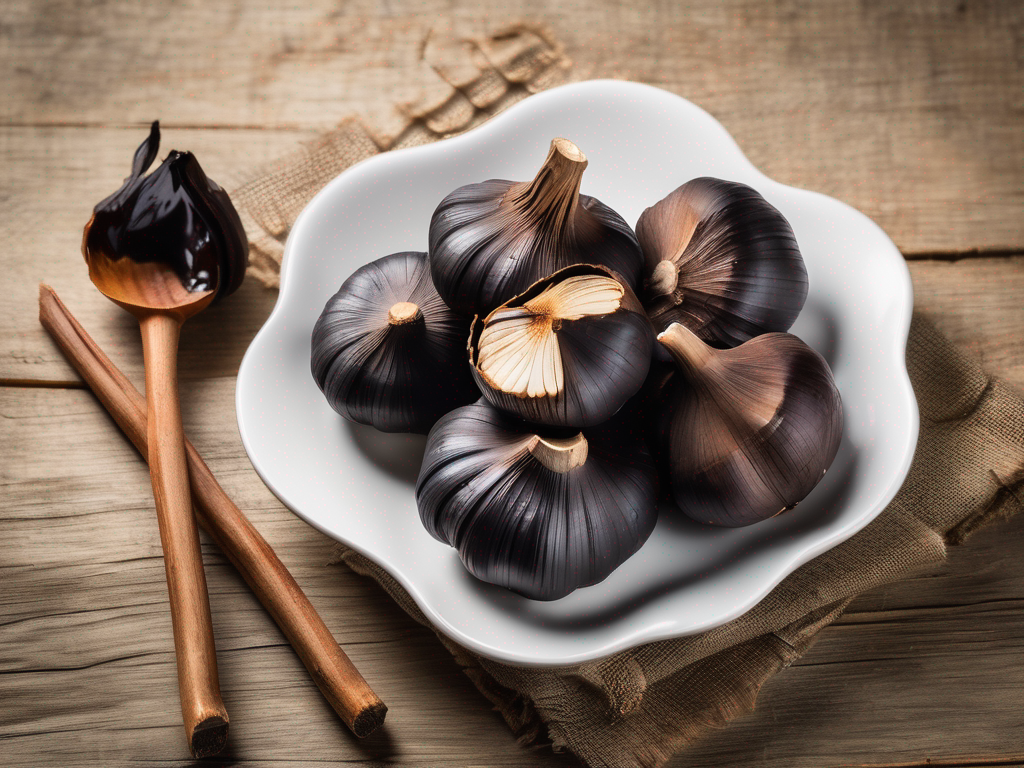
Black garlic is a unique and flavorful ingredient that has gained popularity in recent years for its rich umami taste and nutritional quality. Made from regular garlic that has been fermented under controlled conditions, black garlic offers a sweet and slightly tangy flavor profile that can elevate both savory and sweet dishes. However, due to its unique fermentation process, black garlic requires proper storage to prevent mold and spoilage. In this blog post, we will discuss effective ways to store black garlic to ensure its quality and safety. (Black garlic)
Understanding Black Garlic
Before delving into storage methods, it's important to understand the characteristics of black garlic that make it susceptible to mold and spoilage. Here are some key points to keep in mind:
Characteristics of Black Garlic
- Soft and sticky texture
- Dark color ranging from deep brown to black
- Sweet and tangy flavor with hints of balsamic and molasses
- Lower water content compared to fresh garlic
- Nutrient-rich due to the fermentation process
Proper Storage Techniques
To extend the shelf life of black garlic and prevent mold growth, follow these storage techniques:
1. Store in a Cool, Dry Place
- Keep black garlic in a cool, dry place away from direct sunlight and heat sources.
- Ideal temperature range is between 60-70°F (15-21°C).
2. Use Proper Ventilation
- Ensure proper ventilation to prevent moisture buildup, which can lead to mold growth.
- Avoid storing black garlic in airtight containers for extended periods.
3. Avoid Exposure to Light
- Light can degrade the quality of black garlic and lead to discoloration.
- Store black garlic in opaque containers or wrap it in foil to protect it from light exposure.
4. Use an Airtight Container for Long-Term Storage
- For long-term storage, transfer black garlic to an airtight container to maintain freshness.
- Ensure the container is clean and dry before storing the black garlic.
5. Refrigeration vs. Room Temperature
- Black garlic can be stored at room temperature for up to a month.
- For longer storage, refrigerate black garlic in an airtight container for up to six months.
Tips for Preventing Mold and Spoilage
To prevent mold and spoilage of black garlic, consider the following tips:
1. Inspect Regularly
- Check black garlic for any signs of mold, discoloration, or unusual odors.
- Discard any spoiled cloves immediately to prevent contamination.
2. Use Clean Utensils
- When handling black garlic, use clean utensils to prevent cross-contamination.
- Wash hands thoroughly before touching black garlic to maintain hygiene.
3. Keep Away from Moisture
- Moisture is the enemy of black garlic and can lead to mold growth.
- Store black garlic in a dry environment to prevent moisture buildup.
4. Avoid Freezing Black Garlic
- Freezing black garlic can alter its texture and flavor.
- Refrigeration is the preferred method for long-term storage.
Conclusion
Proper storage of black garlic is essential to maintain its flavor, texture, and nutritional benefits. By following the tips outlined in this blog post, you can prevent mold and spoilage, ensuring that your black garlic remains fresh and delicious for an extended period. Remember to store black garlic in a cool, dry place, inspect it regularly, and use clean utensils to handle it. With the right storage techniques, you can enjoy the unique taste of black garlic in your culinary creations. [Learn more about black garlic](/food/black garlic) and experiment with this versatile ingredient in your cooking endeavors. (Black garlic)
Related Posts
Here are some other articles you might find helpful:
Authoritative Food Safety References
These agencies and university labs inform every tip and health precaution we publish.
USDA FoodKeeper – Cold Storage Guidelines
Official refrigerator, freezer, and pantry timelines maintained by the U.S. Department of Agriculture.
Visit USDA FoodKeeperFDA Produce Safety Rule & Grower Guidance
Field-to-fridge handling practices that prevent contamination of fruits, vegetables, and leafy greens.
Visit FDA Produce SafetyCDC Foodborne Illness Prevention Hub
Surveillance-backed guidance on pathogens, symptoms, and steps to reduce foodborne illness risk.
Visit CDC Food SafetyUC Davis Postharvest Technology Center
University research detailing optimal storage atmospheres for produce after harvest.
Visit UC Davis PostharvestPenn State Extension – Home Food Preservation & Safety
Peer-reviewed extension bulletins on safe canning, chilling, and reheating practices.
Visit Penn State Extension