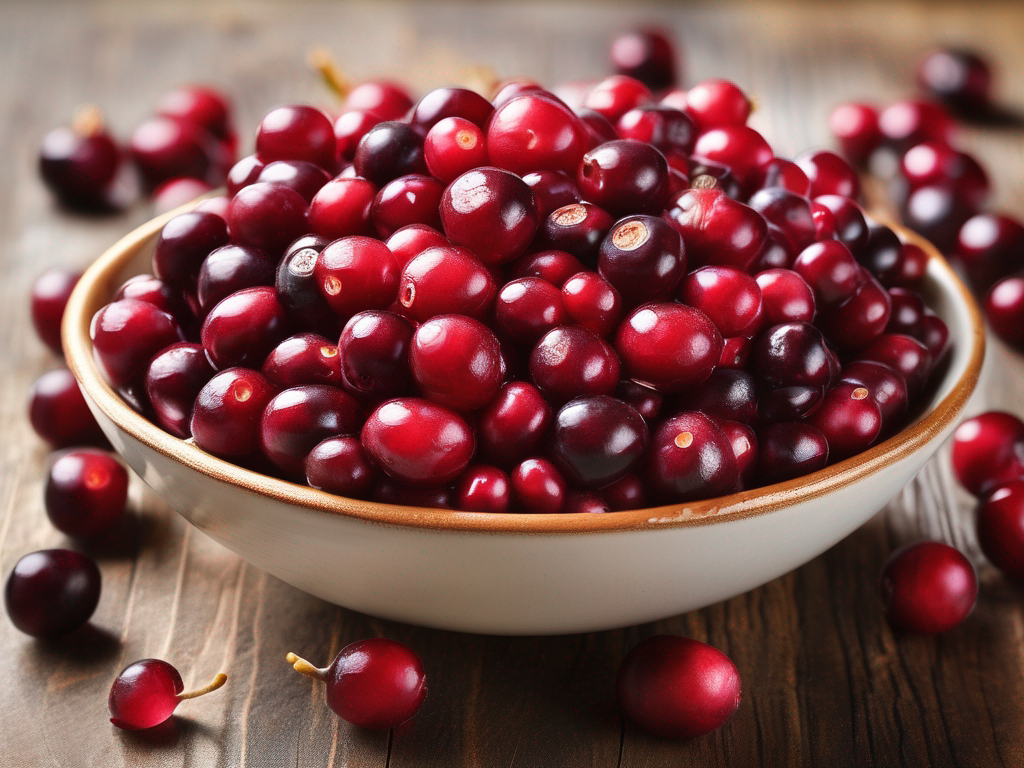
How to Store American Cranberries for Optimal Freshness
How to Store American Cranberries for Optimal Freshness
American cranberries are not only delicious but also packed with nutritional quality. These vibrant red berries are commonly used in a variety of dishes, from sauces and jams to baked goods and desserts. To ensure that your American cranberries stay fresh and flavorful for as long as possible, proper storage is key. In this guide, we will cover the best practices for storing American cranberries to maintain their optimal freshness. (American cranberry)
Understanding American Cranberries
Before we dive into storage tips, let's first understand the basics of American cranberries:
What are American Cranberries?
American cranberries, also known as Vaccinium macrocarpon, are small, tart berries native to North America. They are rich in antioxidants, vitamins, and minerals, making them a popular choice for both culinary and medicinal purposes.
nutritional quality of American Cranberries
- Rich in vitamin C
- High in antioxidants
- Potential urinary tract infection prevention
Now that we have a basic understanding of American cranberries, let's explore how to store them properly to extend their shelf life.
Proper Storage Tips for American Cranberries
To keep your American cranberries fresh and flavorful, follow these storage tips:
1. Refrigeration
- Store fresh American cranberries in the refrigerator.
- Place them in a perforated plastic bag or container to allow for airflow.
- Do not wash the berries before storing to prevent premature spoilage.
2. Freezing
- If you have excess cranberries, consider freezing them for long-term storage.
- Wash and dry the cranberries thoroughly before freezing.
- Place the cranberries in a single layer on a baking sheet and freeze until solid.
- Transfer the frozen cranberries to a freezer-safe bag or container for extended storage.
3. Avoid Moisture
- Moisture can lead to mold growth and spoilage.
- Ensure that the cranberries are dry before storing them in the refrigerator or freezer.
- Check for any signs of moisture buildup in the storage container and remove any wet berries promptly.
4. Check for Spoilage
- Before using American cranberries, inspect them for any signs of spoilage.
- Discard any berries that are mushy, discolored, or have a foul odor.
- It's essential to practice food safety and discard any questionable berries to avoid foodborne illness.
5. Use Proper Containers
- Store American cranberries in airtight containers to prevent exposure to air and moisture.
- Glass or plastic containers with tight-fitting lids are ideal for storing cranberries.
- Avoid storing cranberries in metal containers, as the acidity of the berries can react with the metal.
Conclusion
Proper storage is crucial for maintaining the freshness and quality of American cranberries. By following the tips outlined in this guide, you can ensure that your cranberries stay delicious and nutritious for an extended period. Whether you choose to refrigerate or freeze your cranberries, remember to check for spoilage and use airtight containers to protect the berries from moisture. Enjoy the vibrant flavor and nutritional quality of American cranberries by storing them correctly. [Learn more about American cranberries](/food/american cranberry) and experiment with different recipes to incorporate these versatile berries into your meals. (American cranberry)
Related Posts
Here are some other articles you might find helpful:
Authoritative Food Safety References
These agencies and university labs inform every tip and health precaution we publish.
USDA FoodKeeper – Cold Storage Guidelines
Official refrigerator, freezer, and pantry timelines maintained by the U.S. Department of Agriculture.
Visit USDA FoodKeeperFDA Produce Safety Rule & Grower Guidance
Field-to-fridge handling practices that prevent contamination of fruits, vegetables, and leafy greens.
Visit FDA Produce SafetyCDC Foodborne Illness Prevention Hub
Surveillance-backed guidance on pathogens, symptoms, and steps to reduce foodborne illness risk.
Visit CDC Food SafetyUC Davis Postharvest Technology Center
University research detailing optimal storage atmospheres for produce after harvest.
Visit UC Davis PostharvestPenn State Extension – Home Food Preservation & Safety
Peer-reviewed extension bulletins on safe canning, chilling, and reheating practices.
Visit Penn State Extension