How to Store Almond Paste to Prevent It from Drying Out
How to Store Almond Paste to Prevent It from Drying Out
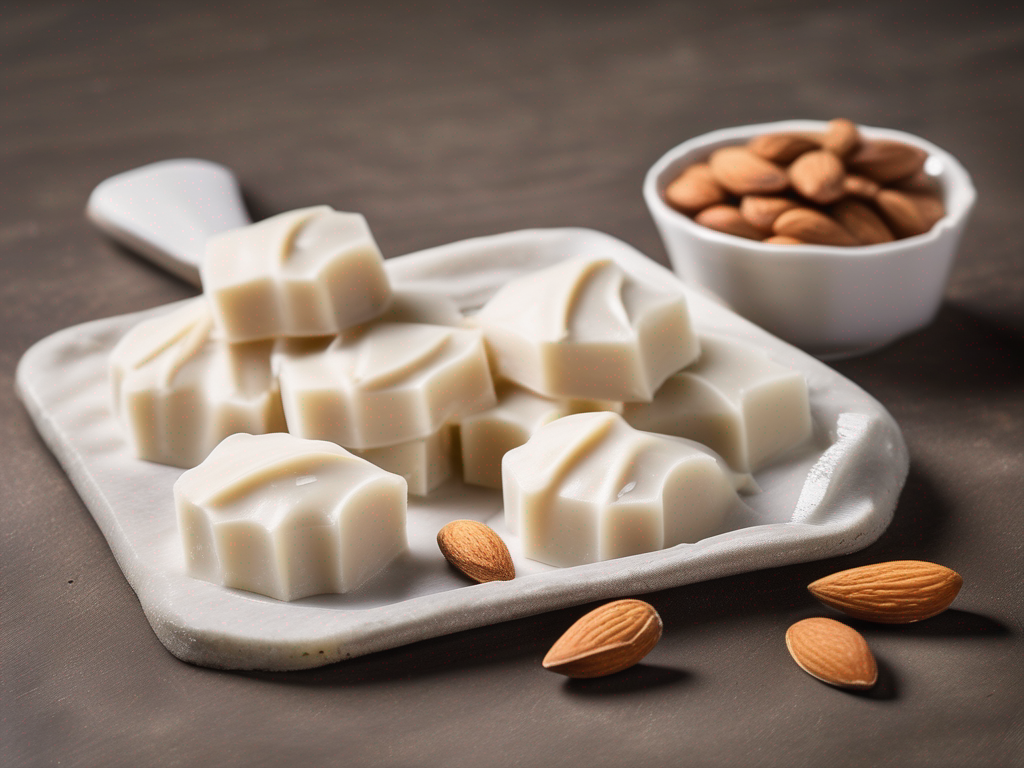
Almond paste is a versatile and delicious ingredient commonly used in baking and confectionery. Its rich almond flavor and smooth texture make it a favorite among bakers and pastry chefs. However, almond paste can dry out quickly if not stored properly, leading to a loss of flavor and texture. In this blog post, we will explore the best practices for storing almond paste to ensure it stays fresh and delicious for longer. (Almond paste)
Why Proper Storage is Important for Almond Paste
Almond paste is made from ground almonds, sugar, and sometimes egg whites. These ingredients make it prone to drying out when exposed to air or fluctuations in temperature. Proper storage is crucial to maintain the quality of almond paste and prevent it from becoming hard and crumbly. By following the tips below, you can extend the shelf life of your almond paste and preserve its flavor and texture.
Tips for Storing Almond Paste
1. Store in an Airtight Container
- H3: Almond paste should be stored in an airtight container to prevent exposure to air, which can cause it to dry out.
- H3: Choose a container that is just the right size for the amount of almond paste you have to minimize air space inside.
2. Keep it Cool and Dry
- H3: Almond paste should be stored in a cool, dry place away from direct sunlight and heat sources.
- H3: Avoid storing almond paste near the stove or oven, as heat can cause it to melt or dry out.
3. Use Parchment Paper
- H3: To prevent the surface of almond paste from drying out, cover it with a piece of parchment paper before sealing the container.
- H3: The parchment paper creates a barrier that helps retain moisture and keeps the almond paste fresh.
4. Refrigerate for Long-Term Storage
- H3: If you need to store almond paste for an extended period, consider refrigerating it.
- H3: Place the airtight container with almond paste in the refrigerator, where it can stay fresh for several weeks or even months.
5. Allow it to Come to Room Temperature Before Use
- H3: Before using almond paste in a recipe, allow it to come to room temperature to soften.
- H3: Cold almond paste can be hard and difficult to work with, so letting it warm up slightly will make it easier to incorporate into your baking.
Conclusion
Proper storage is essential for maintaining the quality of almond paste and ensuring it stays fresh and flavorful. By following these tips, you can prevent almond paste from drying out and preserve its delicious taste and texture for longer periods. Remember to store almond paste in an airtight container, keep it cool and dry, use parchment paper to protect its surface, refrigerate for long-term storage, and allow it to come to room temperature before using. With these simple practices, you can enjoy the full potential of almond paste in your baking creations. (Almond paste)
Authoritative Food Safety References
These agencies and university labs inform every tip and health precaution we publish.
USDA FoodKeeper – Cold Storage Guidelines
Official refrigerator, freezer, and pantry timelines maintained by the U.S. Department of Agriculture.
Visit USDA FoodKeeperFDA Produce Safety Rule & Grower Guidance
Field-to-fridge handling practices that prevent contamination of fruits, vegetables, and leafy greens.
Visit FDA Produce SafetyCDC Foodborne Illness Prevention Hub
Surveillance-backed guidance on pathogens, symptoms, and steps to reduce foodborne illness risk.
Visit CDC Food SafetyUC Davis Postharvest Technology Center
University research detailing optimal storage atmospheres for produce after harvest.
Visit UC Davis PostharvestPenn State Extension – Home Food Preservation & Safety
Peer-reviewed extension bulletins on safe canning, chilling, and reheating practices.
Visit Penn State Extension