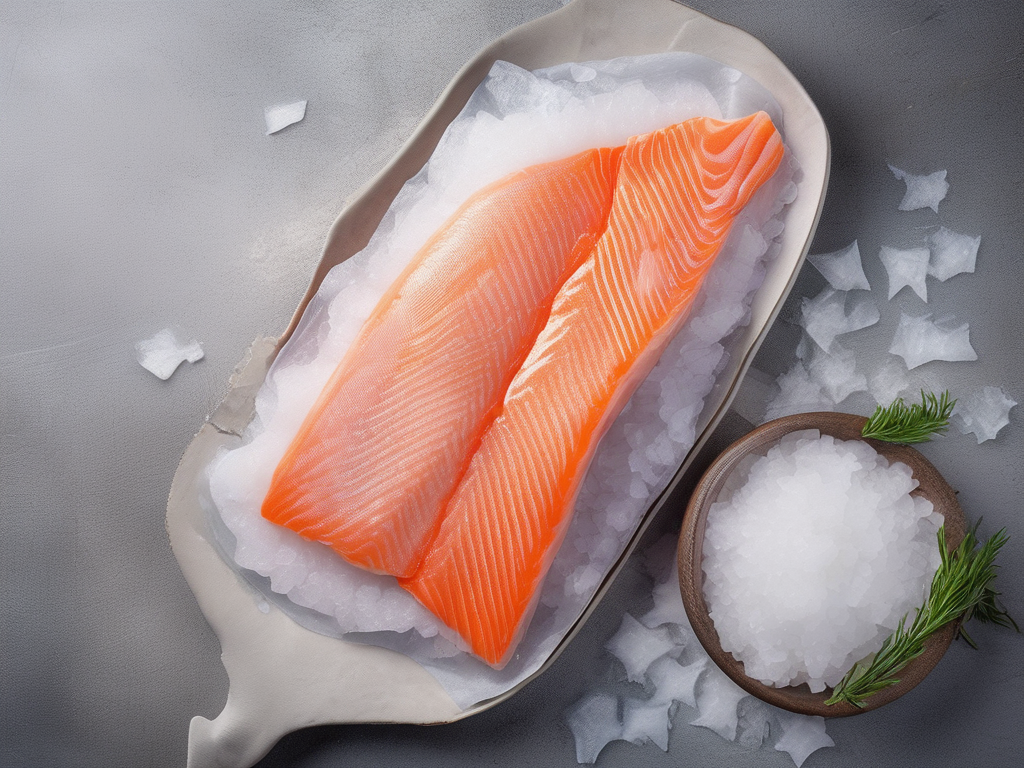
Thawing and Cooking Frozen Fish Fillet: A Comprehensive Guide
Thawing and Cooking Frozen Fish Fillet: A Comprehensive Guide
Are you craving a delicious fish dinner but only have frozen fish fillets in the freezer? Don't worry, with the right techniques, you can safely thaw and cook frozen fish fillets to perfection. In this guide, we will walk you through the step-by-step process of thawing and cooking frozen fish fillets while ensuring food safety and maintaining optimal flavor and texture. (Frozen fish fillet)
The Importance of Proper Thawing
Before diving into the cooking process, it's crucial to understand the importance of proper thawing. Thawing fish fillets correctly helps maintain their quality, texture, and flavor. Improper thawing can lead to the growth of harmful bacteria, compromising food safety. Here's how you can safely thaw frozen fish fillets:
Thawing Methods:
-
Refrigerator: Place the frozen fish fillet in the refrigerator on a plate or shallow dish to catch any drips. Allow it to thaw slowly overnight or for at least 24 hours. This method ensures a gradual thaw, maintaining the fish's quality.
💡Seafood is highly perishable and requires consistent cold storage. A refrigerator thermometer (Amazon) helps ensure your refrigerator maintains safe temperatures (40°F or below) to prevent spoilage.
-
Cold Water: If you need to thaw the fish fillet quickly, you can use the cold water method. Place the sealed fish fillet in a leak-proof bag and submerge it in cold water. Change the water every 30 minutes to ensure it stays cold. Thawing using this method typically takes 1-2 hours, depending on the size of the fillet.
-
Microwave: Use the defrost setting on your microwave to thaw the fish fillet. Make sure to follow the microwave's instructions for defrosting seafood and rotate the fillet periodically to ensure even thawing. Be cautious not to partially cook the fish during the process.
Safe Cooking Practices
Once the fish fillet is thawed, it's time to cook it to perfection. Follow these safe cooking practices to ensure a delicious and safe meal:
Proper packaging is crucial when freezing seafood. Using freezer-safe storage bags (Amazon) helps preserve texture, prevent freezer burn, and maintain quality during storage.
Cooking Methods:
-
Baking: Preheat your oven to the recommended temperature for fish fillets. Season the fillet with your desired herbs and spices, then place it on a baking sheet lined with parchment paper. Bake the fillet until it reaches an internal temperature of 145°F (63°C).
-
Pan-searing: Heat a skillet over medium-high heat and add a small amount of oil. Season the fish fillet and place it in the skillet, cooking for a few minutes on each side until it is cooked through and easily flakes with a fork.
-
Grilling: Preheat your grill to medium-high heat. Brush the fish fillet with oil and season it. Place the fillet on the grill and cook for a few minutes on each side until it is cooked through.
Safe Cooking Temperatures:
- Fish: Cook fish fillets until they reach an internal temperature of 145°F (63°C) to ensure they are safe to eat.
- Shellfish: Cook shellfish, such as shrimp or scallops, until they are opaque and firm.
Tips for Flavorful Fish Fillets
- Marinate: Enhance the flavor of your fish fillet by marinating it in citrus juices, herbs, and spices before cooking.
- Season: Don't be afraid to experiment with different seasonings to add depth and complexity to your dish.
- Serve with Fresh Herbs: Garnish your cooked fish fillet with fresh herbs like parsley, dill, or cilantro for a burst of freshness.
Storing Leftover Fish Fillets
If you have any leftover cooked fish fillets, ensure they are stored safely to maintain their quality:
- Refrigeration: Place the leftover fish fillets in an airtight container and store them in the refrigerator for up to 2 days.
- Freezing: If you don't plan to consume the leftovers within 2 days, freeze them in a freezer-safe container or bag for up to 2-3 months.
Conclusion
Thawing and cooking frozen fish fillets can be a simple and delicious way to enjoy a nutritious meal at home. By following the proper thawing methods, safe cooking practices, and flavor-enhancing tips outlined in this guide, you can elevate your culinary skills and create restaurant-quality fish dishes in your kitchen. Remember to prioritize food safety at every step of the process to ensure a memorable dining experience. Enjoy your perfectly cooked fish fillet! (Frozen fish fillet)
Related Posts
Here are some other articles you might find helpful:
Authoritative Food Safety References
These agencies and university labs inform every tip and health precaution we publish.
USDA FoodKeeper – Cold Storage Guidelines
Official refrigerator, freezer, and pantry timelines maintained by the U.S. Department of Agriculture.
Visit USDA FoodKeeperFDA Produce Safety Rule & Grower Guidance
Field-to-fridge handling practices that prevent contamination of fruits, vegetables, and leafy greens.
Visit FDA Produce SafetyCDC Foodborne Illness Prevention Hub
Surveillance-backed guidance on pathogens, symptoms, and steps to reduce foodborne illness risk.
Visit CDC Food SafetyUC Davis Postharvest Technology Center
University research detailing optimal storage atmospheres for produce after harvest.
Visit UC Davis PostharvestPenn State Extension – Home Food Preservation & Safety
Peer-reviewed extension bulletins on safe canning, chilling, and reheating practices.
Visit Penn State ExtensionDisclosure: As an Amazon Associate, we earn from qualifying purchases. This helps support our site and allows us to continue providing free food safety information.