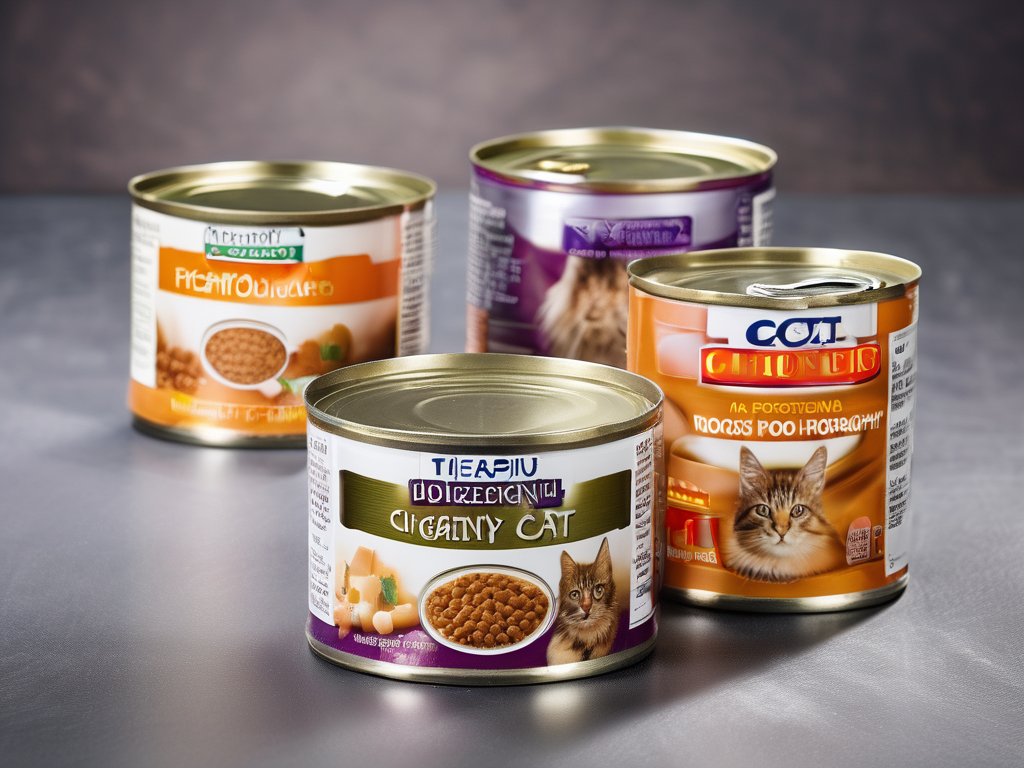
Safely Storing Opened Canned Cat Food to Prevent Contamination
Safely Storing Opened Canned Cat Food to Prevent Contamination
As a responsible pet owner, ensuring the safety and quality of your cat's food is crucial. Proper storage of opened canned cat food is essential to prevent contamination and maintain its freshness. Here are some practical tips to help you safely store opened canned cat food: (Canned cat food)
Understanding the Importance of Proper Storage
Canned cat food is a perishable product that can spoil quickly if not handled and stored correctly. Improper storage can lead to bacterial growth, contamination, and loss of nutritional value. By following proper storage guidelines, you can ensure that your cat's food remains safe to consume and retains its quality.
Factors Affecting Canned Cat Food Storage
Several factors can impact the storage of opened canned cat food:
- Temperature: Canned cat food should be stored in a cool, dry place away from direct sunlight and heat sources.
- Air Exposure: Exposure to air can lead to oxidation and spoilage of the food.
- Contamination: Proper handling and storage practices are essential to prevent contamination by bacteria or other pathogens.
Tips for Safely Storing Opened Canned Cat Food
To maintain the freshness and safety of your cat's food, consider the following tips for storing opened canned cat food:
1. Use Airtight Containers
- Transfer any unused portions of canned cat food into a clean, airtight container.
- Make sure the container is specifically designed for storing pet food to prevent odors from transferring.
2. Refrigerate Promptly
- After opening a can of cat food, refrigerate any unused portion immediately.
- Store the opened can in the refrigerator, covered with a lid or plastic wrap.
3. Maintain Proper Temperature
- Keep refrigerated canned cat food at a consistent temperature of 40°F (4°C) or below.
- Avoid keeping the food on the refrigerator door, as it experiences temperature fluctuations.
4. Follow Storage Guidelines
- Check the packaging of the canned cat food for specific storage instructions from the manufacturer.
- Adhere to the recommended storage guidelines to ensure the food remains safe for your pet.
5. Monitor Expiration Dates
- Keep track of the expiration dates on the canned cat food cans.
- Dispose of any expired or spoiled food promptly to prevent your cat from consuming it.
Additional Food Safety Tips
In addition to proper storage practices, here are some extra food safety tips to keep in mind:
- Wash your hands before and after handling your cat's food.
- Use clean utensils and bowls when serving canned cat food.
- Do not leave opened cans of cat food out at room temperature for an extended period.
- Discard any leftover food that has been left out for more than 2 hours.
By following these tips and guidelines, you can ensure that your cat's food remains safe, fresh, and free from contamination. Prioritizing food safety and proper storage practices is essential for the health and well-being of your feline companion.
Conclusion
Proper storage of opened canned cat food is crucial in maintaining its quality and safety. By following the tips outlined in this guide, you can ensure that your cat's food remains fresh, free from contamination, and safe to consume. Remember to prioritize food safety practices and monitor the storage conditions of your pet's food regularly. Your diligence in handling and storing canned cat food will contribute to your cat's overall health and well-being. [Canned cat food](/food/canned cat food) is a valuable source of nutrition for your furry friend, so it's essential to handle it with care and attention to detail. (Canned cat food)
Related Posts
Here are some other articles you might find helpful:
Authoritative Food Safety References
These agencies and university labs inform every tip and health precaution we publish.
USDA FoodKeeper – Cold Storage Guidelines
Official refrigerator, freezer, and pantry timelines maintained by the U.S. Department of Agriculture.
Visit USDA FoodKeeperFDA Produce Safety Rule & Grower Guidance
Field-to-fridge handling practices that prevent contamination of fruits, vegetables, and leafy greens.
Visit FDA Produce SafetyCDC Foodborne Illness Prevention Hub
Surveillance-backed guidance on pathogens, symptoms, and steps to reduce foodborne illness risk.
Visit CDC Food SafetyUC Davis Postharvest Technology Center
University research detailing optimal storage atmospheres for produce after harvest.
Visit UC Davis PostharvestPenn State Extension – Home Food Preservation & Safety
Peer-reviewed extension bulletins on safe canning, chilling, and reheating practices.
Visit Penn State Extension