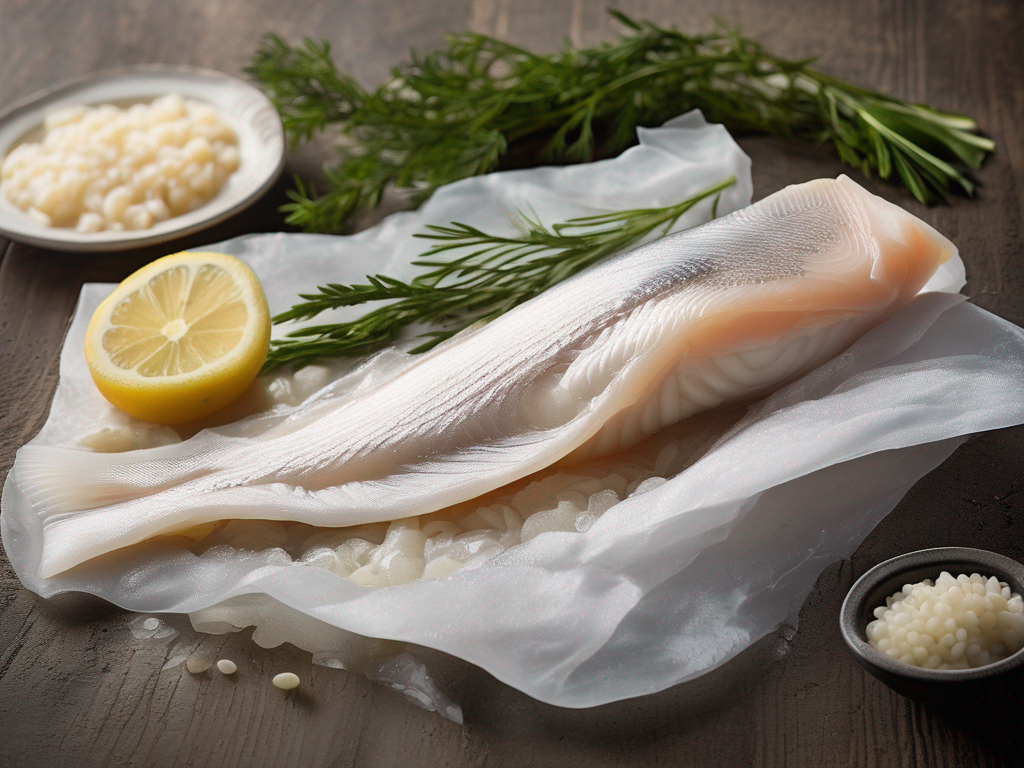
Safely Defrosting Haddock Purchased Commercially Frozen Raw
Safely Defrosting Haddock Purchased Commercially Frozen Raw
When it comes to preparing seafood like haddock that has been commercially frozen raw, it's essential to follow proper food safety practices to ensure that the fish remains safe to eat and retains its quality. In this guide, we will walk you through the steps to safely defrost haddock purchased commercially frozen raw. (Haddock purchased commercially frozen raw)
Understanding Commercially Frozen Raw Haddock
Haddock that is commercially frozen raw is typically frozen soon after being caught to preserve its freshness and flavor. When purchasing commercially frozen haddock, it's crucial to handle it properly to prevent the growth of harmful bacteria and maintain its quality.
Reasons for Proper Defrosting
Properly defrosting haddock is important for several reasons:
Seafood is highly perishable and requires consistent cold storage. A refrigerator thermometer (Amazon) helps ensure your refrigerator maintains safe temperatures (40°F or below) to prevent spoilage.
- Safety: Thawing fish at the correct temperature helps prevent the growth of harmful bacteria that can cause foodborne illnesses.
- Texture and Flavor: Thawing haddock properly helps maintain its texture and flavor, ensuring a better culinary experience.
Safe Methods for Defrosting Haddock
There are three safe methods for defrosting haddock purchased commercially frozen raw:
1. Refrigerator Method
- Place the sealed haddock package on a plate or tray to catch any drips.
- Place the plate in the refrigerator.
- Allow the haddock to defrost in the refrigerator for 24 hours per 1 pound of fish.
- Once defrosted, cook the haddock within 1-2 days.
2. Cold Water Method
- Fill a large bowl or container with cold water.
- Submerge the sealed haddock package in the cold water.
- Change the water every 30 minutes to ensure it stays cold.
- Thaw the haddock in this manner for about 1 hour per pound of fish.
- Cook the haddock immediately after defrosting.
3. Microwave Method
- Use the defrost setting on the microwave.
- Place the haddock on a microwave-safe plate and follow the manufacturer's instructions for defrosting seafood.
- Check the fish frequently to ensure it does not begin to cook.
- Cook the haddock immediately after defrosting.
Safety Precautions for Defrosting Haddock
When defrosting haddock purchased commercially frozen raw, it's important to take the following safety precautions:
- Always thaw haddock in the refrigerator, cold water, or microwave – never at room temperature.
- Ensure the fish is sealed properly in a leak-proof package to prevent cross-contamination.
- Wash hands thoroughly before and after handling the fish.
- Use separate cutting boards and utensils for raw and cooked seafood to prevent cross-contamination.
common situation
Imagine you’ve invited friends over for a cozy dinner, planning to impress them with your cooking skills by preparing a delicious baked haddock. You take the frozen haddock out of the freezer in the morning, intending to defrost it in the refrigerator. However, due to a busy schedule, you forget to take it out until late afternoon. Now you're faced with the dilemma of how to safely defrost it quickly. This is where understanding the safe methods of defrosting comes in handy!
Proper packaging is crucial when freezing seafood. Using freezer-safe storage bags (Amazon) helps preserve texture, prevent freezer burn, and maintain quality during storage.
In another situation, you might be a busy parent trying to whip up a healthy dinner for your family during a hectic week. You’ve bought some commercially frozen haddock, but you’re unsure how to best thaw it without compromising safety or quality. By opting for the cold water method, you can have dinner on the table faster without sacrificing the delicious taste and texture of the fish.
Scientific Context
The freezing process is essential in preserving the freshness of seafood like haddock. Commercial freezing typically occurs at extremely low temperatures, effectively inhibiting bacterial growth and preserving nutritional quality. However, improper thawing can reverse these benefits, leading to spoilage and foodborne illness risks.
When fish is frozen, its cell structure changes. As it thaws, the moisture released can enhance the potential for bacterial growth if not handled correctly. Therefore, it's critical to follow safe thawing methods to minimize these risks.
Nutritionally, haddock is a great source of protein, low in fat, and rich in vitamins B6 and B12, as well as selenium. However, improper defrosting can potentially lead to nutrient loss and undesirable texture. Thus, the defrosting method can significantly impact not only safety but also the nutritional quality of your meal.
Common Mistakes to Avoid
Many people make misleading assumptions when it comes to defrosting fish. One common mistake is leaving haddock to thaw on the kitchen counter. While this may seem convenient, it can lead to uneven thawing and a risk of bacteria growth in the warmer outer layers before the inner sections have defrosted.
Another frequent error is not checking the fish after defrosting, particularly with the microwave method. Some may leave it in the microwave too long, inadvertently cooking parts of the fish, which can ruin the texture. Always keep an eye on it and check frequently to ensure even thawing.
Furthermore, individuals often overlook the importance of cooking thawed fish promptly. Some think it’s acceptable to refreeze thawed fish, but this can lead to a decline in quality and safety. It’s always best to cook it right after thawing.
Practical Tips for Cooking Haddock
Once you've successfully defrosted your haddock, you might be wondering how to prepare it in the best way. Here are a few practical tips to enhance your cooking experience:
- Marinate Wisely: Use a light marinade to enhance flavor. Avoid overly acidic marinades, which can break down the fish’s texture.
- Use Fresh Ingredients: Pair your haddock with fresh herbs, lemon, or garlic for a flavorful dish. Simple seasonings can elevate the taste without overwhelming its natural flavors.
- Monitor Cooking Time: Haddock cooks relatively quickly. Overcooking can lead to a dry texture, so keep an eye on it and check for an internal temperature of 145°F (63°C).
- Try Different Cooking Methods: Don't be afraid to experiment! Whether baking, pan-searing, or grilling, each method can bring out unique flavors in haddock.
Expert Insights
As a food safety expert, I cannot stress enough the importance of proper food handling, especially with seafood. Always pay attention to best practices not only for defrosting but also for cooking and serving. Fish should be kept at safe temperatures (below 40°F or 4°C) before cooking and should always be consumed immediately after cooking or stored properly.
If you’re preparing haddock for a special occasion, consider visiting a seafood market or trusted supplier to ensure you’re getting high-quality fish. Ask questions about sourcing and handling practices; a knowledgeable fishmonger can provide valuable insight that enhances your cooking experience.
Storage Methods for Leftover Haddock
If you do have leftovers after cooking your haddock, it's essential to store them properly:
- Cooling Down: Allow cooked haddock to cool down at room temperature for no more than two hours before transferring it to the refrigerator to prevent bacterial growth.
- Airtight Containers: Store leftovers in airtight containers to prevent moisture loss and retain flavor.
- Labeling: Always label your containers with the date. Cooked haddock can be stored in the refrigerator for 3-4 days.
- Freezing Leftovers: If you want to keep it longer, you can freeze cooked haddock. Ensure it’s tightly wrapped in plastic wrap or aluminum foil and then placed in a resealable freezer bag. Frozen cooked haddock can last for up to 3 months.
Conclusion
Properly defrosting haddock purchased commercially frozen raw is essential for both safety and quality reasons. By following the recommended methods and safety precautions outlined in this guide, you can enjoy delicious and safe haddock dishes with peace of mind. Remember to always handle seafood with care and prioritize food safety in your kitchen. Learn more about haddock purchased commercially frozen raw here. (Haddock purchased commercially frozen raw)
Related Posts
Here are some other articles you might find helpful:
Authoritative Food Safety References
These agencies and university labs inform every tip and health precaution we publish.
USDA FoodKeeper – Cold Storage Guidelines
Official refrigerator, freezer, and pantry timelines maintained by the U.S. Department of Agriculture.
Visit USDA FoodKeeperFDA Produce Safety Rule & Grower Guidance
Field-to-fridge handling practices that prevent contamination of fruits, vegetables, and leafy greens.
Visit FDA Produce SafetyCDC Foodborne Illness Prevention Hub
Surveillance-backed guidance on pathogens, symptoms, and steps to reduce foodborne illness risk.
Visit CDC Food SafetyUC Davis Postharvest Technology Center
University research detailing optimal storage atmospheres for produce after harvest.
Visit UC Davis PostharvestPenn State Extension – Home Food Preservation & Safety
Peer-reviewed extension bulletins on safe canning, chilling, and reheating practices.
Visit Penn State ExtensionDisclosure: As an Amazon Associate, we earn from qualifying purchases. This helps support our site and allows us to continue providing free food safety information.