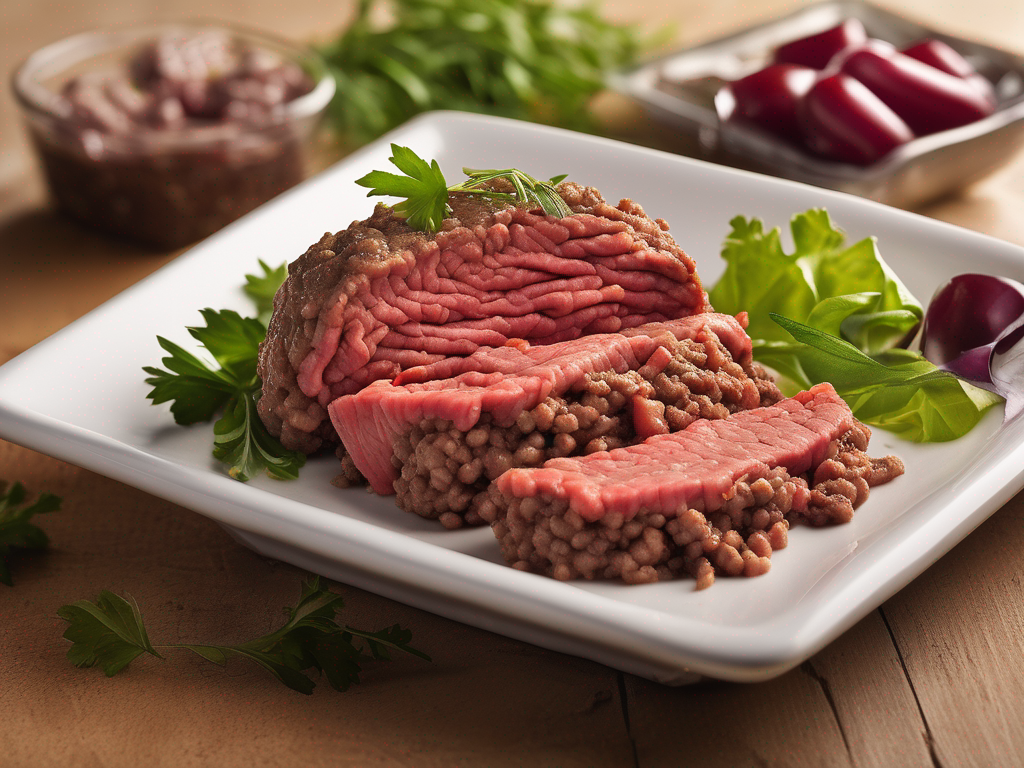
Safely Defrosting Frozen Ground Beef: Tips for Quality and Safety
CanIEatExpired.com Team
# Safely Defrosting Frozen Ground Beef: Tips for Quality and Safety

When it comes to cooking ground beef, ensuring it is safely defrosted is crucial for both quality and safety. Improper thawing can lead to bacterial growth, affecting the taste and texture of the meat. In this guide, we will explore the best methods to safely defrost frozen ground beef while maintaining its quality. ([Ground beef](https://canieatexpired.com/food/ground-beef))

## The Importance of Properly Defrosting Ground Beef

Ground beef is a versatile ingredient used in a variety of dishes, from burgers to meatballs and tacos. Properly defrosting ground beef is essential for several reasons:

1. **Safety:** Bacteria grow rapidly at temperatures between 40°F and 140°F, known as the "risks and considerations zone." Thawing ground beef at room temperature or in warm water can lead to bacterial contamination.

2. **Quality:** Improper thawing methods can can increase the likelihood of the loss of moisture and affect the texture and flavor of the meat. To enjoy the best taste and texture, it's essential to defrost ground beef correctly.

## Safe Thawing Methods for Ground Beef

### 1. Refrigerator Thawing

- Place the frozen ground beef on a plate or in a container to catch any drips.
- **Steps for Refrigerator Thawing:**
   - **Step 1:** Place the wrapped ground beef in the refrigerator on the bottom shelf to prevent drips onto other foods.
   - **Step 2:** Allow approximately 24 hours for every 1 pound of ground beef to thaw in the refrigerator.
   - **Step 3:** Once thawed, cook the ground beef within 1-2 days for the best quality.

### 2. Cold Water Thawing

- **Steps for Cold Water Thawing:**
   - **Step 1:** Seal the frozen ground beef in a leak-proof plastic bag.
   - **Step 2:** Submerge the bag in cold water, changing the water every 30 minutes to ensure it stays cold.
   - **Step 3:** Thawing 1 pound of ground beef takes approximately 1-2 hours using this method.
   - **Step 4:** Cook the ground beef immediately after thawing.

### 3. Microwave Thawing

- Use the defrost setting on the microwave to thaw ground beef quickly.
- **Steps for Microwave Thawing:**
   - **Step 1:** Remove the ground beef from its packaging and place it on a microwave-safe plate.
   - **Step 2:** Use the defrost setting based on the weight of the ground beef.
   - **Step 3:** Rotate and flip the meat periodically to ensure even thawing.
   - **Step 4:** Cook the ground beef immediately after thawing in the microwave.

## Tips for Safe Handling of Thawed Ground Beef

- **Cook Promptly:** Once the ground beef is thawed, cook it promptly to prevent the growth of harmful bacteria.
- **Store Properly:** If you don't plan to cook the ground beef immediately after thawing, store it in the refrigerator and use it within 1-2 days.
- **Avoid Refreezing:** It is not recommended to refreeze ground beef after it has been thawed. Cooked ground beef can be frozen, but it's best to consume it within 2-3 months for optimal quality.

## common situation

Imagine this: You’ve planned a last-minute barbecue with friends and remember you have some frozen ground beef in the freezer. You want to ensure that it’s safe and delicious for your guests, so you decide to thaw it. You could put it in the refrigerator the night before, but you forgot. What do you do? This is where the cold water method comes in handy! By sealing the ground beef in a leak-proof bag and submerging it in cold water, you can have it thawed in time for your barbecue without compromising safety.

Or Common situations include parent who comes home late and discovers that they forgot to take the ground beef out of the freezer earlier in the day. Instead of panicking, they can use the microwave method to thaw it quickly and whip up a family meal in no time. Just a few minutes in the microwave, and they’re ready to cook some delicious spaghetti and meatballs!

## Scientific Context: Food Safety and Ground Beef

Understanding the science behind food safety can further help in making informed choices. Ground beef is particularly susceptible to bacterial contamination because it is made from many different cuts of meat and is often handled multiple times during processing. According to the USDA, pathogens like E. coli and Salmonella can thrive in ground beef when it is not stored or thawed properly.

When you thaw ground beef, it’s important to remember that even if the outer edges appear thawed, the inner portion may still be frozen. This is where microwave thawing can be tricky; if not done correctly, some areas may begin to cook while others remain frozen, creating an uneven cooking environment that could lead to undercooked meat. Thus, always ensure even thawing, whether you’re using the microwave or any other method.

## Common Mistakes People Make

Many people unknowingly make mistakes when defrosting ground beef. Here are some of the most common pitfalls to avoid:

1. **Leaving it Out at Room Temperature:** One of the biggest mistakes is leaving ground beef out on the kitchen counter to thaw. This is a surefire way to encourage bacterial growth and should be avoided at all costs.

2. **Thawing in Hot Water:** Some may think that using hot water speeds up the thawing process, but this method can lead to uneven thawing and increase the risk of bacteria developing on the outside of the meat.

3. **Not Tracking Time:** Forgetting to keep track of how long the ground beef has been thawing can lead to confusion about safety. Always plan ahead and set a timer or reminder if necessary.

4. **Reusing Water from Cold Water Thawing:** When using the cold water method, some people might assume that the water can be reused. However, it's essential to change the water every 30 minutes to maintain a safe thawing temperature.

5. **Not Cooking Immediately After Thawing:** Many don’t realize that thawed ground beef should be cooked immediately, especially if it was thawed in the microwave or cold water method.

## Expert Insights on Proper Storage Techniques

Storing ground beef properly is just as important as thawing it safely. Here are additional expert recommendations to keep in mind:

- **Vacuum Seal:** If you often buy ground beef in bulk, consider vacuum sealing portions before freezing. This not only preserves the quality but also saves space in your freezer.

- **Date Your Packages:** Always label packages with the date they were frozen. This will help you use the oldest beef first, reducing waste and ensuring freshness.

- **Store in the Right Location:** Keep ground beef on the bottom shelf of the refrigerator or freezer, ideally in its original packaging or wrapped tightly in freezer paper. This prevents juices from contaminating other foods.

## Safety Warnings and Important Considerations

Remember, when dealing with food safety, it’s always better to err on the side of caution. Here are some crucial safety warnings to keep in mind:

- **Check for Signs of Spoilage:** Always inspect thawed ground beef for any off odors or discoloration before cooking. If it smells bad or has a grayish color, it's best to discard it.

- **Use a Food Thermometer:** When cooking ground beef, ensure it reaches an internal temperature of 160°F. This is critical for killing any harmful bacteria that may be present.

- **Separate Raw and Cooked Foods:** Avoid cross-contamination by using separate utensils and cutting boards for raw ground beef and other foods, especially those that won’t be cooked.

## Conclusion

Properly defrosting frozen ground beef is essential for both safety and quality reasons. By following the recommended thawing methods and handling tips, you can enjoy delicious and safe ground beef in your favorite recipes. Whether you choose to thaw in the refrigerator, cold water, or microwave, always prioritize safe food handling practices to prevent foodborne illnesses and ensure a tasty meal every time.

Remember, when it comes to [ground beef](/food/ground-beef), safety always comes first! ([Ground beef](https://canieatexpired.com/food/ground-beef))

## Related Posts

Here are some other articles you might find helpful:

- [The Ultimate Guide to Ground Beef Storage: Preventing Spoilage](/blog/optimal-storage-conditions-for-ground-beef-to-prevent-spoilage)
- [Preserving Opened Chili Con Carne Commercially Canned or Bottled](/blog/easy-tips-for-preserving-opened-chili-con-carne-commercially-canned-or-bottled)
- [Creative Ways to Use Leftover Opened Canned Split Pea Soup](/blog/what-are-creative-recipes-to-use-up-leftover-opened-canned-split-pea-soup)
- [Creative Ways to Use Leftover Instant Polenta](/blog/what-are-some-creative-ways-to-use-leftover-instant-polenta)
- [Is Your Ground Beef Safe to Eat? How to Tell if it Has Gone Bad](/blog/how-can-i-tell-if-my-ground-beef-has-gone-bad)
Authoritative Food Safety References
These agencies and university labs inform every tip and health precaution we publish.
USDAOfficial guidance
USDA FoodKeeper – Cold Storage Guidelines
Official refrigerator, freezer, and pantry timelines maintained by the U.S. Department of Agriculture.
Visit USDA FoodKeeperFDAOfficial guidance
FDA Produce Safety Rule & Grower Guidance
Field-to-fridge handling practices that prevent contamination of fruits, vegetables, and leafy greens.
Visit FDA Produce SafetyCDCOfficial guidance
CDC Foodborne Illness Prevention Hub
Surveillance-backed guidance on pathogens, symptoms, and steps to reduce foodborne illness risk.
Visit CDC Food SafetyResearchUniversity research
UC Davis Postharvest Technology Center
University research detailing optimal storage atmospheres for produce after harvest.
Visit UC Davis PostharvestResearchUniversity research
Penn State Extension – Home Food Preservation & Safety
Peer-reviewed extension bulletins on safe canning, chilling, and reheating practices.
Visit Penn State ExtensionDisclosure: As an Amazon Associate, we earn from qualifying purchases. This helps support our site and allows us to continue providing free food safety information.
Our articles are created using a combination of AI assistance and human review. All food safety information is based on USDA guidelines and credible sources. Learn more about our review process here.