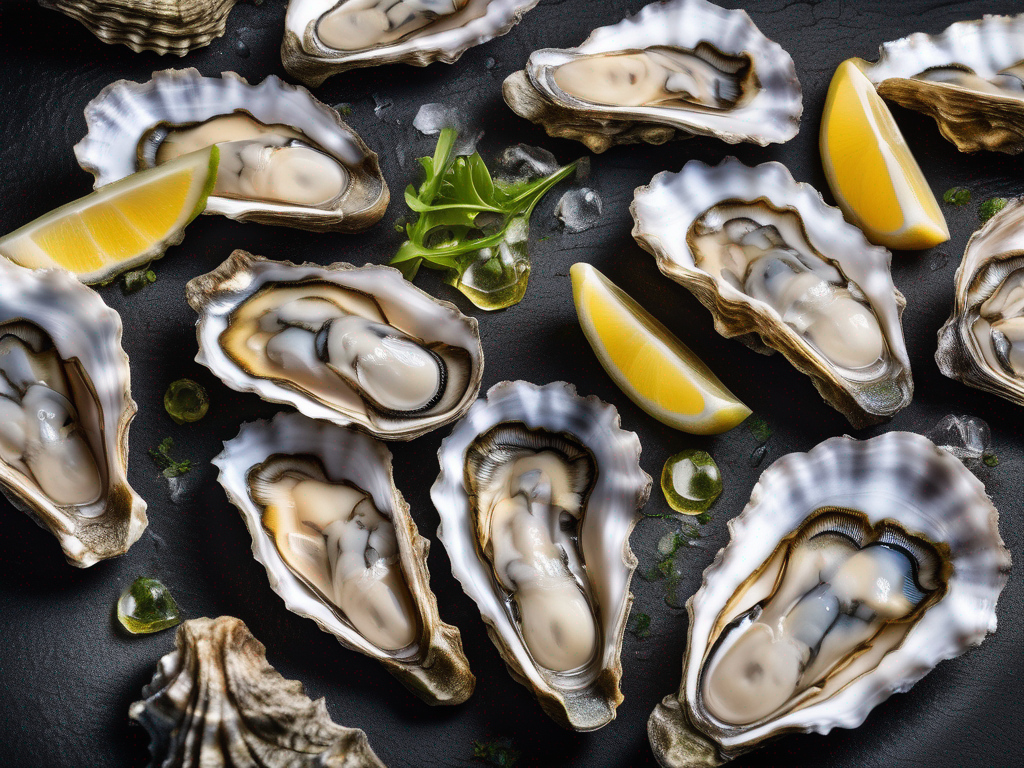
Thawing and Cooking Oysters Purchased Commercially Frozen
Thawing and Cooking Oysters Purchased Commercially Frozen
Oysters are a delicious and nutritious seafood option that can be enjoyed in various dishes. When purchasing oysters that are commercially frozen, it's essential to follow proper thawing and cooking procedures to ensure food safety and maintain the oysters' quality. In this guide, we will discuss the best practices for thawing and cooking commercially frozen oysters. (Oysters purchased commercially frozen)
Understanding Commercially Frozen Oysters
Commercially frozen oysters are harvested, processed, and frozen to preserve their freshness and quality. When stored and handled correctly, frozen oysters can be a convenient option for consumers to enjoy the taste of fresh oysters without worrying about their shelf life.
Benefits of Commercially Frozen Oysters
- Convenient and readily available
- Extended shelf life
- Maintain freshness and quality
- Reduce the risk of foodborne illnesses
Thawing Commercially Frozen Oysters
Properly thawing frozen oysters is crucial to prevent bacterial growth and ensure food safety. Here are the recommended methods for thawing commercially frozen oysters:
Seafood is highly perishable and requires consistent cold storage. A refrigerator thermometer (Amazon) helps ensure your refrigerator maintains safe temperatures (40°F or below) to prevent spoilage.
Refrigerator Thawing
- Place the frozen oysters in the refrigerator on a plate or shallow dish to catch any drips.
- Allow the oysters to thaw gradually in the refrigerator for 24-48 hours.
- Once thawed, use the oysters within 1-2 days for the best quality.
Cold Water Thawing
- Fill a large bowl with cold water.
- Submerge the sealed package of frozen oysters in the cold water.
- Change the water every 30 minutes to maintain a cold temperature.
- Thawing time may vary but typically takes 1-2 hours.
- Cook the oysters immediately after thawing.
Microwave Thawing (for immediate cooking)
- Use the defrost setting on the microwave to thaw the oysters.
- Check and rotate the oysters frequently to ensure even thawing.
- Cook the oysters immediately after thawing to prevent bacterial growth.
Cooking Thawed Oysters
Once the commercially frozen oysters are thawed, it's essential to cook them properly to enhance their flavor and ensure food safety. Here are some recommended cooking methods for thawed oysters:
Steaming
- Place the thawed oysters in a steamer basket over boiling water.
- Cover and steam for 4-5 minutes until the oysters open.
- Discard any oysters that do not open after cooking.
Grilling
- Preheat the grill to medium-high heat.
- Place the thawed oysters on the grill shell-side down.
- Grill for 5-7 minutes until the oysters are cooked through.
- Serve with your favorite seasonings and sauces.
Frying
- Heat oil in a skillet or deep fryer to 375°F (190°C).
- Dredge the thawed oysters in seasoned flour or batter.
- Fry the oysters for 2-3 minutes until golden brown and crispy.
- Drain on paper towels before serving.
Safety Tips for Handling Oysters
- Always thaw frozen oysters in the refrigerator or under cold water to prevent bacterial growth.
- Cook oysters to an internal temperature of 145°F (63°C) to ensure they are safe to eat.
- Discard any oysters that have an off smell or appear slimy or discolored.
- Wash hands, utensils, and surfaces thoroughly after handling raw oysters to prevent cross-contamination.
Conclusion
Properly thawing and cooking commercially frozen oysters is essential to enjoy this seafood delicacy safely and deliciously. By following the recommended thawing methods and cooking techniques, you can savor the taste of fresh oysters with peace of mind. Remember to prioritize food safety practices and enjoy your oysters in various dishes with confidence.
For more information on [oysters purchased commercially frozen](/food/oysters purchased commercially frozen), visit our website. Happy cooking! (Oysters purchased commercially frozen)
Proper packaging is crucial when freezing seafood. Using freezer-safe storage bags (Amazon) helps preserve texture, prevent freezer burn, and maintain quality during storage.
Authoritative Food Safety References
These agencies and university labs inform every tip and health precaution we publish.
USDA FoodKeeper – Cold Storage Guidelines
Official refrigerator, freezer, and pantry timelines maintained by the U.S. Department of Agriculture.
Visit USDA FoodKeeperFDA Produce Safety Rule & Grower Guidance
Field-to-fridge handling practices that prevent contamination of fruits, vegetables, and leafy greens.
Visit FDA Produce SafetyCDC Foodborne Illness Prevention Hub
Surveillance-backed guidance on pathogens, symptoms, and steps to reduce foodborne illness risk.
Visit CDC Food SafetyUC Davis Postharvest Technology Center
University research detailing optimal storage atmospheres for produce after harvest.
Visit UC Davis PostharvestPenn State Extension – Home Food Preservation & Safety
Peer-reviewed extension bulletins on safe canning, chilling, and reheating practices.
Visit Penn State ExtensionDisclosure: As an Amazon Associate, we earn from qualifying purchases. This helps support our site and allows us to continue providing free food safety information.