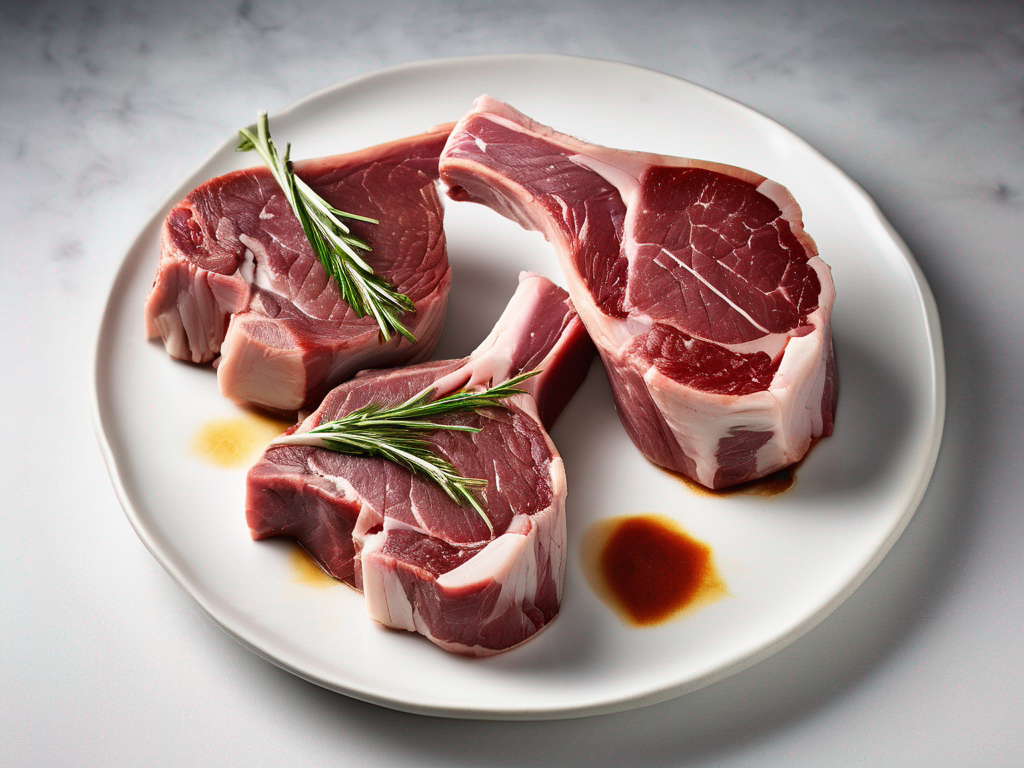
Thawing and Cooking Guide for Lamb Chops: All Cuts Including Shoulder, Loin, Rib (Commercially Frozen, Raw)
Thawing and Cooking Guide for Lamb Chops: All Cuts Including Shoulder, Loin, Rib (Commercially Frozen, Raw)
When it comes to preparing lamb chops, whether it's the shoulder, loin, or rib cuts, proper thawing and cooking techniques are crucial to ensure a safe and delicious meal. In this comprehensive guide, we will walk you through the steps to safely thaw and cook commercially frozen, raw lamb chops to perfection. (Lamb chops all cuts including shoulder loin rib purchased commercially frozen raw)
Understanding Lamb Chops: All Cuts Including Shoulder, Loin, Rib
Lamb chops are a flavorful and versatile cut of meat that can be prepared in various ways, from grilling to roasting. When purchasing commercially frozen lamb chops, it's important to handle them with care to maintain their quality and safety.
Tips for Selecting Lamb Chops:
- Look for cuts with a bright red color and minimal discoloration.
- Check for a firm texture and marbling, which indicates tenderness.
- Ensure that the packaging is intact and free from any tears or leaks.
Proper Storage of Frozen Lamb Chops:
- Store frozen lamb chops in the coldest part of the freezer to maintain their quality.
- Use airtight packaging or freezer bags to prevent freezer burn.
- Follow the "first in, first out" rule to ensure you use the oldest chops first.
Thawing Commercially Frozen Lamb Chops
Thawing lamb chops correctly is essential to prevent bacterial growth and ensure even cooking. Here are the recommended methods for thawing commercially frozen, raw lamb chops:
Proper cooking temperatures are essential for food safety. An instant-read food thermometer (Amazon) helps ensure meat reaches safe internal temperatures and reduces the risk of foodborne illness.
Refrigerator Thawing:
- Place the frozen lamb chops on a plate in the refrigerator.
- Allow them to thaw slowly over 24-48 hours, depending on the thickness of the chops.
- Once thawed, cook the lamb chops within 1-2 days for the best quality.
Cold Water Thawing:
- Place the frozen lamb chops in a leak-proof plastic bag.
- Submerge the bag in cold water, changing the water every 30 minutes.
- Thawing using this method typically takes 1-3 hours, depending on the size of the chops.
- Cook the lamb chops immediately after thawing.
Cooking Methods for Lamb Chops
Now that your lamb chops are thawed, it's time to cook them to perfection. Here are some popular cooking methods for lamb chops:
Grilling:
- Preheat the grill to medium-high heat.
- Season the lamb chops with your favorite herbs and spices.
- Grill the chops for 3-4 minutes per side for medium-rare doneness.
- Let the chops rest for a few minutes before serving.
Roasting:
- Preheat the oven to 400°F (200°C).
- Season the lamb chops and place them on a baking sheet.
- Roast the chops for 15-20 minutes for medium-rare, flipping halfway through.
- Allow the chops to rest before slicing and serving.
Pan-Searing:
- Heat a skillet over medium-high heat with a drizzle of oil.
- Sear the lamb chops for 3-4 minutes per side for medium-rare.
- Rest the chops before slicing and serving.
Safety Precautions for Cooking Lamb Chops
When cooking lamb chops, it's essential to follow food safety guidelines to prevent foodborne illnesses. Here are some safety precautions to keep in mind:
- Use a food thermometer to ensure the lamb chops reach a safe internal temperature of 145°F (63°C) for medium-rare.
- Avoid cross-contamination by using separate cutting boards and utensils for raw and cooked meat.
- Wash your hands thoroughly before and after handling raw lamb chops to prevent the spread of bacteria.
Conclusion
Properly thawing and cooking commercially frozen, raw lamb chops is key to enjoying a safe and delicious meal. By following the guidelines outlined in this comprehensive guide, you can confidently prepare lamb chops of all cuts, including shoulder, loin, and rib, with ease. Remember to handle and cook lamb chops with care to ensure a memorable dining experience.
Refrigerator temperature fluctuations can accelerate spoilage and increase food safety risks. A refrigerator thermometer (Amazon) helps monitor consistent cold storage (40°F or below).
For more information on [lamb chops all cuts including shoulder loin rib purchased commercially frozen raw](/food/lamb chops all cuts including shoulder loin rib purchased commercially frozen raw), feel free to reach out to us with any questions or concerns. Happy cooking! (Lamb chops all cuts including shoulder loin rib purchased commercially frozen raw)
Authoritative Food Safety References
These agencies and university labs inform every tip and health precaution we publish.
USDA FoodKeeper – Cold Storage Guidelines
Official refrigerator, freezer, and pantry timelines maintained by the U.S. Department of Agriculture.
Visit USDA FoodKeeperFDA Produce Safety Rule & Grower Guidance
Field-to-fridge handling practices that prevent contamination of fruits, vegetables, and leafy greens.
Visit FDA Produce SafetyCDC Foodborne Illness Prevention Hub
Surveillance-backed guidance on pathogens, symptoms, and steps to reduce foodborne illness risk.
Visit CDC Food SafetyUC Davis Postharvest Technology Center
University research detailing optimal storage atmospheres for produce after harvest.
Visit UC Davis PostharvestPenn State Extension – Home Food Preservation & Safety
Peer-reviewed extension bulletins on safe canning, chilling, and reheating practices.
Visit Penn State ExtensionDisclosure: As an Amazon Associate, we earn from qualifying purchases. This helps support our site and allows us to continue providing free food safety information.