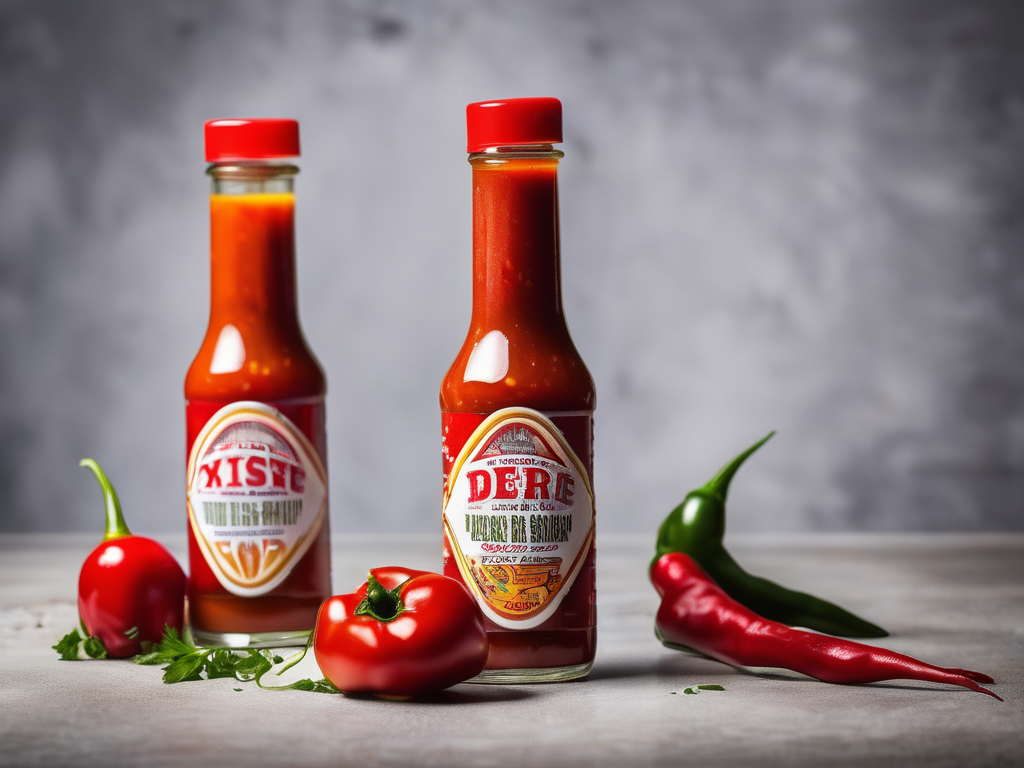
Preserving Homemade Hot Sauce: A Guide to Optimal Freshness and Flavor
Preserving Homemade Hot Sauce: A Guide to Optimal Freshness and Flavor
Hot sauce enthusiasts often enjoy the process of creating their own flavorful concoctions at home. Whether you prefer a fiery habanero blend or a tangy jalapeño sauce, homemade hot sauce allows you to customize the heat level and ingredients to suit your taste buds. However, once you've crafted your perfect hot sauce, proper storage is crucial to maintain its freshness and flavor over time. In this comprehensive guide, we'll explore the best practices for storing homemade hot sauce to ensure it stays delicious for as long as possible. (Hot sauce)
Understanding the Importance of Proper Storage
Before diving into specific storage techniques, it's essential to understand why proper storage is crucial for homemade hot sauce:
Factors Affecting Hot Sauce Freshness
- Heat Exposure: Exposure to heat can alter the flavor profile of hot sauce and accelerate spoilage.
- Light Exposure: Light can cause hot sauce to degrade and lose its vibrant color and flavor.
- Air Exposure: Oxidation from air exposure can lead to flavor changes and potential spoilage.
- Temperature Fluctuations: Fluctuations in temperature can impact the consistency and shelf life of hot sauce.
By addressing these factors through proper storage methods, you can prolong the shelf life and flavor of your homemade hot sauce.
Best Practices for Storing Homemade Hot Sauce
When it comes to storing homemade hot sauce, following these best practices can help maintain its freshness and flavor:
1. Choose the Right Container
- Opt for glass bottles or jars with airtight seals to prevent air exposure.
- Avoid storing hot sauce in plastic containers, as they can absorb odors and flavors.
2. Store in a Cool, Dark Place
- Keep homemade hot sauce away from direct sunlight to prevent light exposure.
- Store hot sauce in a cool, dark pantry or cabinet to maintain its flavor.
3. Refrigerate for Extended Freshness
- While some hot sauces can be stored at room temperature for short periods, refrigeration is ideal for maintaining freshness.
- Refrigerate homemade hot sauce to extend its shelf life and preserve flavor.
4. Avoid Cross-Contamination
- Use clean utensils when serving hot sauce to prevent cross-contamination.
- Ensure that the bottle or jar is tightly sealed after each use to minimize air exposure.
5. Label and Date Your Hot Sauce
- Properly label your homemade hot sauce with the date of preparation to track freshness.
- Include any specific ingredients or heat levels on the label for easy reference.
Safety Tips for Homemade Hot Sauce Storage
Ensuring the safety of your homemade hot sauce is paramount to prevent foodborne illness. Follow these safety tips for storing hot sauce:
1. Check for Spoilage Signs
- Discard homemade hot sauce if you notice any signs of mold, off odors, or unusual discoloration.
- If the texture or color of the hot sauce changes significantly, it's best to err on the side of caution and dispose of it.
2. Use Proper Sanitization Practices
- Before transferring hot sauce to storage containers, ensure that they are thoroughly cleaned and sanitized.
- Wash your hands and utensils before handling hot sauce to prevent contamination.
3. Follow Recipe Guidelines
- When making homemade hot sauce, adhere to recipe guidelines for acidity levels and preservation methods.
- Properly canning or bottling hot sauce according to recommended practices can enhance its shelf life.
Conclusion
Properly storing homemade hot sauce is essential for maintaining its freshness, flavor, and safety. By choosing the right container, storing in a cool, dark place, refrigerating when necessary, and following safety guidelines, you can enjoy your homemade hot sauce for an extended period. Remember to check for signs of spoilage, practice good sanitation habits, and label your hot sauce for easy identification. With these tips in mind, you can savor the heat and flavor of your homemade hot sauce for months to come. [hot sauce](/food/hot sauce) (Hot sauce)
Authoritative Food Safety References
These agencies and university labs inform every tip and health precaution we publish.
USDA FoodKeeper – Cold Storage Guidelines
Official refrigerator, freezer, and pantry timelines maintained by the U.S. Department of Agriculture.
Visit USDA FoodKeeperFDA Produce Safety Rule & Grower Guidance
Field-to-fridge handling practices that prevent contamination of fruits, vegetables, and leafy greens.
Visit FDA Produce SafetyCDC Foodborne Illness Prevention Hub
Surveillance-backed guidance on pathogens, symptoms, and steps to reduce foodborne illness risk.
Visit CDC Food SafetyUC Davis Postharvest Technology Center
University research detailing optimal storage atmospheres for produce after harvest.
Visit UC Davis PostharvestPenn State Extension – Home Food Preservation & Safety
Peer-reviewed extension bulletins on safe canning, chilling, and reheating practices.
Visit Penn State Extension