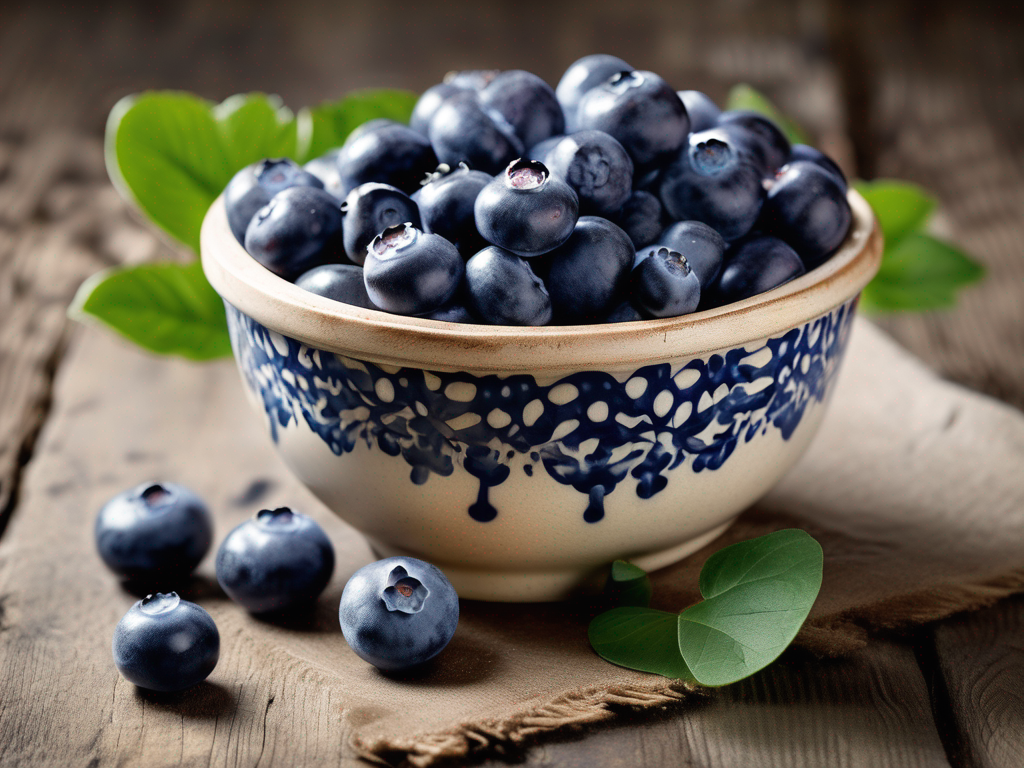
The Ultimate Guide to Properly Storing Highbush Blueberries
CanIEatExpired.com Team
# The Ultimate Guide to Properly Storing Highbush Blueberries

Blueberries are not only delicious but also packed with antioxidants and nutrients that make them a popular choice for healthy snacking and culinary uses. Highbush blueberries, in particular, are known for their plumpness and sweetness, making them a favorite among berry lovers. To ensure you get the most out of your highbush blueberries and extend their shelf life, proper storage is key. In this comprehensive guide, we will discuss the best practices for storing highbush blueberries to maintain their freshness and flavor. ([Highbush blueberry](https://canieatexpired.com/food/highbush-blueberry))

## Why Proper Storage Matters

Highbush blueberries are delicate fruits that are susceptible to moisture, temperature, and ethylene gas, which can accelerate ripening and lead to spoilage. By storing them correctly, you can prolong their freshness, flavor, and nutritional value. Here's how to do it right:

### 1. Choose the Right Container

- Use a shallow container with a lid or cover to prevent moisture loss and protect the berries from getting squashed.
- Opt for a container made of plastic or glass that is clean and dry to avoid contamination.

### 2. Store at the Right Temperature

- Highbush blueberries thrive in cool temperatures. Store them in the refrigerator at around 32-34°F (0-1°C) to slow down the ripening process and maintain their firmness.
- Avoid storing blueberries in the freezer unless you plan to freeze them for long-term storage or use in smoothies and baked goods.

### 3. Handle with Care

- Handle highbush blueberries gently to prevent bruising and damage.
- Sort through the berries before storing to remove any moldy or squishy ones that can spoil the rest.

### 4. Properly Wash and Dry

- Wash highbush blueberries just before eating or using them to prevent moisture buildup, which can lead to mold growth.
- Gently rinse the berries under cold water and pat them dry with a clean paper towel or kitchen cloth.

### 5. Separate Ethylene-Producing Fruits

- Keep highbush blueberries away from ethylene-producing fruits like apples, bananas, and tomatoes, as ethylene can speed up the ripening process and cause the berries to spoil faster.

## common situation

Imagine you’ve just returned from a local farmer's market, your basket brimming with fresh highbush blueberries. You’re excited to use them in a pie for your friend's birthday. However, if you toss them haphazardly into the fridge without proper storage, you could end up with mushy, spoiled berries by party time.

In another situation, let’s say you packed some highbush blueberries in your child's lunch, thinking they would enjoy a healthy snack. But if those berries were stored improperly, they might come home mushy and unappetizing, turning what should have been a nutritious treat into food waste.

These situations highlight the importance of proper storage techniques. By taking a few minutes to store your blueberries correctly, you can avoid disappointment and enjoy their delightful taste longer.

## Scientific Context of Blueberry Storage

Understanding the biology of highbush blueberries can give us insight into why proper storage is so important. These fruits are composed of 85-90% water, making them prone to dehydration and spoilage. When stored in conditions that are too warm or humid, the moisture on the surface can cause mold to develop. Ethylene gas, a natural byproduct of ripening fruits, can exacerbate this issue.

Studies have shown that refrigeration slows the metabolism of blueberries, preserving their flavor and nutritional content, which includes high levels of vitamin C, vitamin K, and fiber. The antioxidants found in blueberries are also best preserved when they are stored correctly.

## Tips for Extended Shelf Life

By following these practical tips, you can extend the shelf life of your highbush blueberries and enjoy them for longer periods:

- **Use within a Week:** For optimal freshness and flavor, consume highbush blueberries within a week of purchase.
- **Freeze for Long-Term Storage:** If you have excess berries, freeze them in a single layer on a baking sheet before transferring them to a freezer-safe bag or container for up to six months.
- **Avoid Moisture:** Moisture is the enemy of fresh blueberries. Store them in a dry container with a paper towel at the bottom to absorb any excess moisture.
- **Check Regularly:** Check your highbush blueberries regularly for any signs of spoilage, such as mold or mushiness, and discard any affected berries immediately.
- **Use in Various Recipes:** Incorporate highbush blueberries into your salads, smoothies, baked goods, and desserts to enjoy their sweet and tart flavor in different ways.

## Common Mistakes in Storing Blueberries

Many people unknowingly make mistakes that can lead to spoiled berries. One common mistake is washing blueberries before storing them. This can introduce moisture that leads to mold growth; it's best to wash them just before consumption.

Another pitfall involves using airtight containers. While they might seem like a good option, they can trap moisture, leading to an increased risk of mold. Instead, opt for containers that allow for some airflow, reducing the accumulation of humidity.

Additionally, some folks might store their blueberries in the produce drawer without consideration for temperature fluctuations. The temperature in this section can vary, especially if the refrigerator is opened frequently. A stable, colder environment is essential for preserving the berries.

## Expert Insights on Blueberry Storage

As a food safety expert, I recommend keeping a simple checklist when storing blueberries to ensure you’re doing everything right:

1. **Inspect**: Always check your blueberries for any signs of spoilage before placing them in storage.
2. **Container**: Use a breathable container, such as a basket lined with paper towel or a ventilated plastic container.
3. **Temperature**: Make sure your fridge is set to the correct temperature (32-34°F). A fridge thermometer can help you confirm this.
4. **Moisture Control**: Always add a dry paper towel to the container to absorb moisture.
5. **Regular Checks**: Make it a habit to check your blueberries every couple of days.

By following this checklist and understanding the nuances of blueberry storage, you can greatly reduce food waste and enhance your culinary experiences.

## Storage Methods Beyond the Refrigerator

For those who want to explore different methods of storing highbush blueberries, let’s Common situations include alternatives:

### 1. Freezing

As mentioned earlier, freezing is a great way to preserve blueberries for extended periods. After washing and drying the berries, lay them out in a single layer on a baking sheet and freeze until solid. Once frozen, transfer them into a freezer-safe bag, squeezing out as much air as possible before sealing. Label the bag with the date, so you can keep track of how long they’ve been stored.

### 2. Canning

Canning is another effective preservation method. You can make blueberry preserves or jams, which can last for up to a year when sealed properly. This method not only extends the life of the berries but also allows you to enjoy their taste all year round.

### 3. Dehydration

Dehydrating blueberries can be a fun project that can increase the likelihood of a sweet, chewy snack. If you have a dehydrator, spread the washed blueberries in a single layer and follow the manufacturer’s instructions. Once dried, store them in an airtight container in a cool, dark place.

## Safety Warnings and Considerations

When storing highbush blueberries, safety should always be at the forefront. It’s crucial to remember that consuming spoiled berries can lead to foodborne illnesses. Always check for signs of mold or off odors before eating. If you suspect any berries are spoiled, it’s best to err on the side of caution and discard them.

Additionally, remember that while blueberries are generally considered safe for most people, those with specific allergies or sensitivities should be cautious. If you notice any unusual reactions after consuming them, consult a healthcare professional.

## Conclusion

Properly storing highbush blueberries is essential to maintain their quality and extend their shelf life. By following the tips outlined in this guide, you can ensure that your blueberries stay fresh, flavorful, and nutritious for as long as possible. Remember to handle them with care, store them at the right temperature, and keep them away from ethylene-producing fruits to enjoy the best of these delicious berries. With these simple storage practices, you can make the most of your highbush blueberries and savor their goodness in every bite.

Remember, [highbush blueberries](https://canieatexpired.com/food/highbush-blueberry) are not only tasty but also a healthy addition to your diet, so store them right and enjoy their benefits to the fullest!

## Related Posts

Here are some other articles you might find helpful:

- [Signs that Half Highbush Blueberries Have Gone Bad](/blog/what-are-the-signs-that-half-highbush-blueberry-has-gone-bad-and-should-be-thrown-out)
- [The Ultimate Guide to Properly Storing Half Highbush Blueberries for Maximum Freshness](/blog/how-to-properly-store-half-highbush-blueberry-for-maximum-freshness)
Authoritative Food Safety References
These agencies and university labs inform every tip and health precaution we publish.
USDAOfficial guidance
USDA FoodKeeper – Cold Storage Guidelines
Official refrigerator, freezer, and pantry timelines maintained by the U.S. Department of Agriculture.
Visit USDA FoodKeeperFDAOfficial guidance
FDA Produce Safety Rule & Grower Guidance
Field-to-fridge handling practices that prevent contamination of fruits, vegetables, and leafy greens.
Visit FDA Produce SafetyCDCOfficial guidance
CDC Foodborne Illness Prevention Hub
Surveillance-backed guidance on pathogens, symptoms, and steps to reduce foodborne illness risk.
Visit CDC Food SafetyResearchUniversity research
UC Davis Postharvest Technology Center
University research detailing optimal storage atmospheres for produce after harvest.
Visit UC Davis PostharvestResearchUniversity research
Penn State Extension – Home Food Preservation & Safety
Peer-reviewed extension bulletins on safe canning, chilling, and reheating practices.
Visit Penn State ExtensionDisclosure: As an Amazon Associate, we earn from qualifying purchases. This helps support our site and allows us to continue providing free food safety information.
Our articles are created using a combination of AI assistance and human review. All food safety information is based on USDA guidelines and credible sources. Learn more about our review process here.