The Ultimate Guide to Properly Storing Gueuze for Extended Shelf Life
The Ultimate Guide to Properly Storing Gueuze for Extended Shelf Life
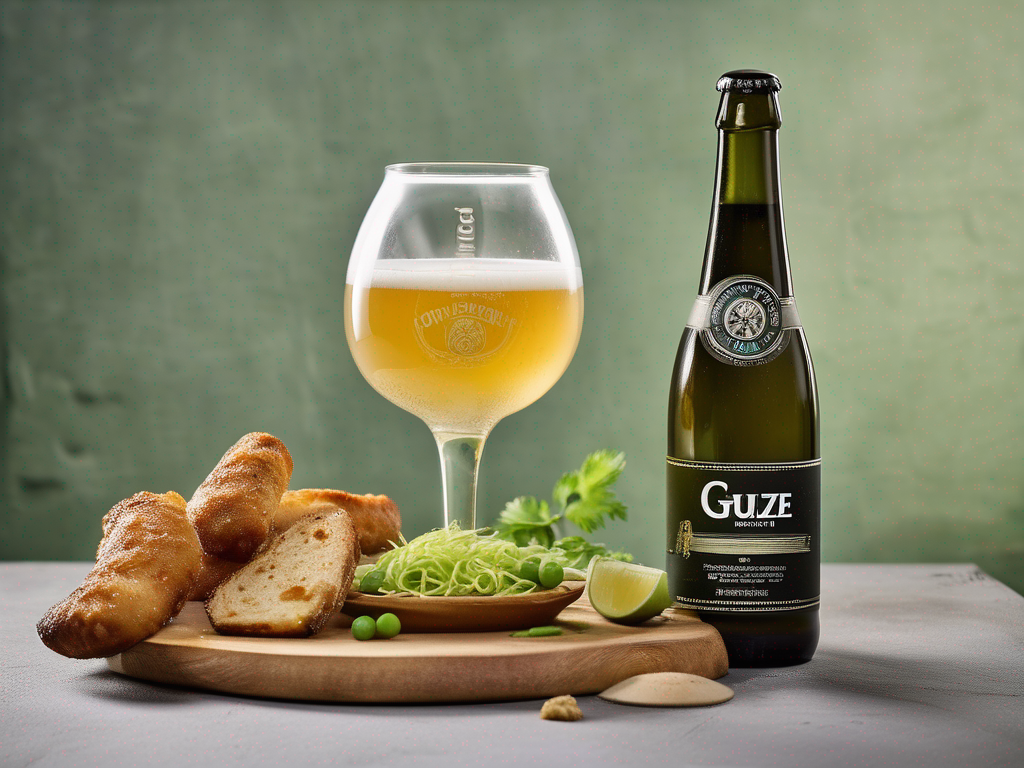
Gueuze is a unique and flavorful Belgian beer that undergoes a complex fermentation process, resulting in a distinct taste profile. To fully enjoy the rich flavors and aromas of Gueuze, proper storage is crucial. In this comprehensive guide, we will explore the best practices for storing Gueuze to extend its shelf life and maintain its quality. (Gueuze)
Understanding Gueuze: A Brief Overview
Gueuze is a type of lambic beer that is a blend of young and old lambics, undergoing a natural secondary fermentation in the bottle. This process gives Gueuze its effervescence, tartness, and complex flavors. Proper storage is essential to preserve these characteristics and prevent spoilage.
Factors Affecting Gueuze Shelf Life
Several factors can impact the shelf life and quality of Gueuze:
Dairy products require consistent cold storage to prevent spoilage and bacterial growth. A refrigerator thermometer (Amazon) helps ensure your refrigerator maintains safe temperatures (40°F or below).
-
Light Exposure: Gueuze is sensitive to light, especially UV rays, which can cause off-flavors and skunking.
-
Temperature Fluctuations: Fluctuations in temperature can accelerate the aging process of Gueuze and affect its taste and carbonation.
-
Humidity Levels: High humidity levels can lead to mold growth on the bottle's cork or label, affecting the beer's quality.
-
Oxygen Exposure: Oxidation can alter the flavors of Gueuze and lead to off-notes over time.
Best Practices for Storing Gueuze
Proper storage conditions are essential for preserving the flavors and quality of Gueuze. Follow these tips to ensure the longevity of your Gueuze collection:
1. Store in a Dark and Cool Place
- Keep Gueuze away from direct sunlight and store it in a cool, dark place, such as a cellar or refrigerator.
- Avoid storing Gueuze near sources of heat or light, such as radiators or light bulbs.
2. Maintain Consistent Temperature
- Aim to store Gueuze at a consistent temperature between 45-55°F (7-13°C) to slow down the aging process and maintain carbonation.
- Fluctuations in temperature can negatively impact the flavors and aromas of Gueuze.
3. Store Bottles Upright
- Store Gueuze bottles upright to minimize the surface area exposed to oxygen, reducing the risk of oxidation.
- This also helps prevent the cork from drying out and allows sediment to settle at the bottom of the bottle.
4. Avoid Vibrations and Disturbances
- Keep Gueuze bottles away from areas prone to vibrations, such as refrigerators with motors or washing machines, as these can disturb the sediments and affect the beer's clarity.
5. Monitor Humidity Levels
- Maintain moderate humidity levels in the storage area to prevent mold growth on the bottle's cork or label.
- Use a dehumidifier if necessary to control moisture levels and protect the integrity of the Gueuze.
common situation: Storing Gueuze
Imagine it’s a warm summer afternoon, and you’re hosting a backyard barbecue with friends. You’ve spent the day curating a selection of artisanal cheeses and charcuterie to pair with your prized Gueuze collection. However, you’ve kept your Gueuze in a sunny spot on the patio, and as the sun beats down, you start to notice a less-than-pleasant aroma wafting from the bottles. Unfortunately, that exposure to light and heat has compromised the flavors, and you’ve missed out on the experience you intended to create.
In another situation, you’ve just returned from a trip to Belgium, where you acquired several bottles of vintage Gueuze. Eager to show them off, you place them in your kitchen pantry next to your oven, thinking they’ll be fine. A week later, you open a bottle only to find that the flavors are muted and off. The pantry’s temperature swings and proximity to heat sources have negatively impacted the beer.
These examples illustrate how proper storage practices are crucial for preserving the character of Gueuze.
Scientific Context: The Chemistry of Storage
Understanding the science behind Gueuze's storage can also enhance your appreciation for this delightful beverage. Gueuze undergoes a unique fermentation process that involves wild yeasts and bacteria. These microorganisms contribute to its complex flavors and aromas. When exposed to unfavorable storage conditions, these delicate compounds can break down.
For instance, UV light can cause a photochemical reaction known as isomerization, leading to the development of off-flavors reminiscent of skunky aromas. Additionally, temperature fluctuations can exacerbate the aging process, resulting in unwanted changes to the beer's carbonation and taste profile.
Furthermore, maintaining the right humidity levels helps preserve the integrity of the cork. If the cork dries out, it can let oxygen into the bottle, leading to oxidation, which alters the taste, often giving it a cardboard-like quality.
Practical Tips for Storing Gueuze
Beyond the foundational storage practices already mentioned, there are additional considerations that can help you become a Gueuze storage pro:
-
Invest in Quality Bottles: If storing Gueuze long-term, consider investing in high-quality bottles with sturdy corks. These are less likely to allow oxygen to permeate.
-
Labeling System: A simple labeling system can help you keep track of when you purchased each bottle. This way, you can enjoy the Gueuze at its peak flavor profile.
-
Avoid Frequent Opening: Each time you open a bottle, you introduce oxygen into the beer. If you’re not planning to finish it, consider using a wine preservation system that includes a vacuum pump to extend the life of the opened bottle.
-
Keep a Consistent Inventory: If you have a growing collection, maintain a list of what you have. This ensures you don’t lose track of older bottles that may need to be enjoyed sooner rather than later.
Common Mistakes in Storing Gueuze
Even seasoned beer enthusiasts make mistakes when it comes to Gueuze storage. Here are some common pitfalls to avoid:
-
Storing in the Fridge for Too Long: While it’s tempting to put your Gueuze in the fridge for immediate consumption, prolonged storage in the fridge can impact the flavor. Aim to store it in a cool, dark place instead.
-
Misjudging Temperature: Some people assume that colder is better, but storing Gueuze too cold can dull its flavors. The ideal range allows the complex tastes to bloom.
-
Not Checking Expiration Dates: Many beers, including Gueuze, have a best-by date. Ignoring this can mean missing out on the intended flavors.
-
Assuming All Gueuze is Similar: Not all Gueuze is created equal. The aging potential may vary based on the blend, so do your research on specific brands and styles to understand their best storage practices.
Expert Insights on Gueuze Storage
Many experts recommend that if you’re serious about Gueuze, Common situations include storage space. “Temperature-controlled environments are key,” says Michael, a certified cicerone. “A wine fridge can provide the perfect conditions to store Gueuze, especially for those who collect rare or vintage bottles.”
Additionally, Michael suggests tasting a young Gueuze and then revisiting it after a year or two. “It’s fascinating to experience how the flavors evolve,” he adds. This not only enhances your understanding of the beer but also gives you a firsthand appreciation of how storage impacts its character.
Safety Precautions and Tips
Ensuring the safety and quality of your Gueuze collection is paramount. Here are some additional safety precautions and tips to consider:
- Check the expiration date on the Gueuze bottle and consume it before the recommended date to enjoy its optimal flavors.
- Inspect the bottle for any signs of damage, such as leaks or cracked seals, before storing or consuming the Gueuze.
- When serving Gueuze, pour it gently into a glass, leaving the sediment undisturbed at the bottom of the bottle.
- Consider investing in a temperature-controlled wine fridge to store your Gueuze collection if you lack a suitable cellar or refrigerator.
Conclusion
Proper storage of Gueuze is essential to maintain its unique flavors, carbonation, and overall quality. By following the best practices outlined in this guide, you can extend the shelf life of your Gueuze collection and savor the distinctive characteristics of this traditional Belgian beer. Remember to store Gueuze in a dark, cool place, maintain consistent temperature levels, store bottles upright, avoid vibrations, and monitor humidity levels for optimal preservation. Cheers to enjoying perfectly stored Gueuze! (Gueuze)
Related Posts
Here are some other articles you might find helpful:
- Quick Tips for Identifying Spoiled Gueuze in Your Pantry
- The Best Ways to Store Gueuze for Optimal Freshness
- Is Your Gueuze Still Good? How to Tell if It Has Gone Bad
- How Long Can You Keep Unopened Belgian Lambic in a Pantry?
Authoritative Food Safety References
These agencies and university labs inform every tip and health precaution we publish.
USDA FoodKeeper – Cold Storage Guidelines
Official refrigerator, freezer, and pantry timelines maintained by the U.S. Department of Agriculture.
Visit USDA FoodKeeperFDA Produce Safety Rule & Grower Guidance
Field-to-fridge handling practices that prevent contamination of fruits, vegetables, and leafy greens.
Visit FDA Produce SafetyCDC Foodborne Illness Prevention Hub
Surveillance-backed guidance on pathogens, symptoms, and steps to reduce foodborne illness risk.
Visit CDC Food SafetyUC Davis Postharvest Technology Center
University research detailing optimal storage atmospheres for produce after harvest.
Visit UC Davis PostharvestPenn State Extension – Home Food Preservation & Safety
Peer-reviewed extension bulletins on safe canning, chilling, and reheating practices.
Visit Penn State ExtensionFrequently Asked Questions
Q: Can Gueuze go bad if stored incorrectly?
Q: How long can Gueuze be stored for optimal flavor?
Q: Can Gueuze be stored in the refrigerator?
Q: Should Gueuze be stored horizontally like wine?
Disclosure: As an Amazon Associate, we earn from qualifying purchases. This helps support our site and allows us to continue providing free food safety information.