The Ultimate Guide to Properly Storing Gram Beans for Extended Shelf Life
The Ultimate Guide to Properly Storing Gram Beans for Extended Shelf Life
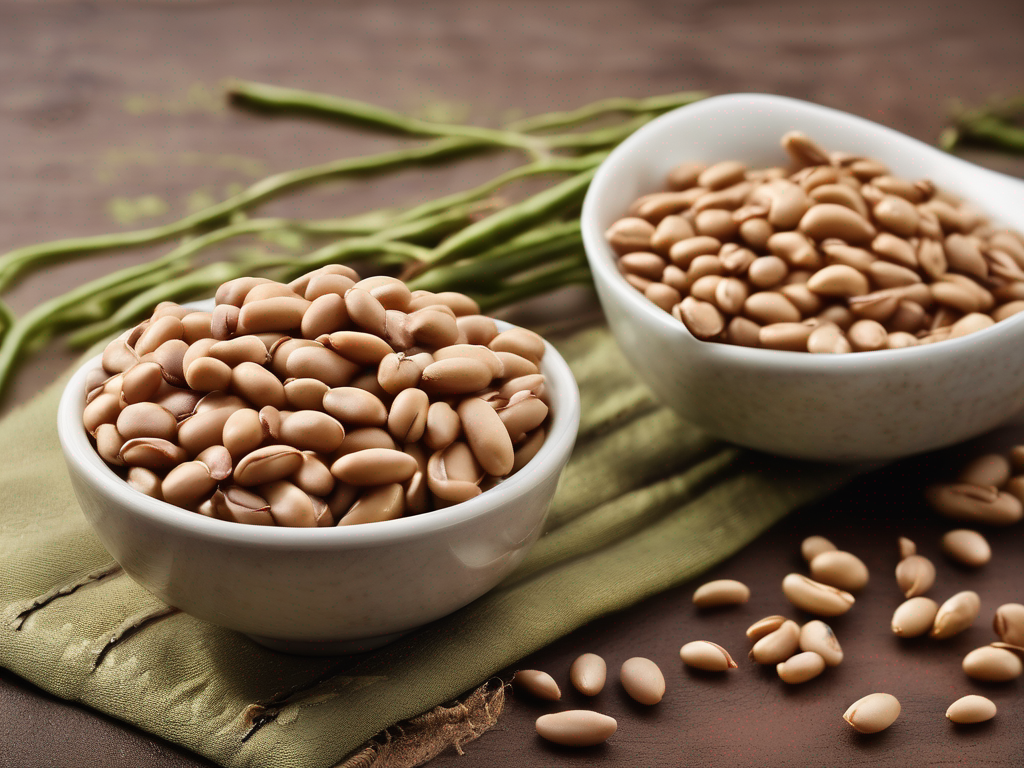
Gram beans, also known as chickpeas or garbanzo beans, are a versatile and nutritious legume that is a staple in many cuisines around the world. Whether you use them in salads, curries, or hummus, proper storage is crucial to maintain their freshness and flavor. In this comprehensive guide, we will explore the best practices for storing gram beans to extend their shelf life and prevent spoilage. (Gram bean)
Why Proper Storage Matters for Gram Beans
Gram beans are prone to spoilage if not stored correctly. Factors such as moisture, air exposure, and temperature fluctuations can lead to the growth of mold, bacteria, and pests, compromising the quality and safety of the beans. By following the right storage techniques, you can prolong the shelf life of gram beans and ensure that they remain safe for consumption.
Benefits of Properly Stored Gram Beans
- Retain freshness and flavor
- Prevent mold and bacterial growth
- Minimize nutrient loss
- Reduce food waste
Best Practices for Storing Gram Beans
Proper storage begins from the moment you bring gram beans home from the store. Follow these guidelines to ensure that your gram beans stay fresh and flavorful for longer periods.
Proper cooking temperatures are essential for food safety. An instant-read food thermometer (Amazon) helps ensure meat reaches safe internal temperatures and reduces the risk of foodborne illness.
1. Choose the Right Container
- Use airtight containers such as glass jars or food-grade plastic containers to prevent air exposure.
- Ensure that the container is clean and dry before storing the gram beans.
- Avoid storing gram beans in their original packaging, as it may not be airtight.
2. Keep Away from Moisture
- Moisture can lead to mold growth and spoilage. Store gram beans in a cool, dry place away from sources of moisture such as the sink or dishwasher.
- Consider adding a desiccant packet to absorb any excess moisture in the container.
3. Control Temperature and Humidity
- Store gram beans in a cool, dark place away from direct sunlight and heat sources.
- Ideally, keep the storage temperature between 50-70°F (10-21°C) to maintain the quality of the beans.
- Avoid storing gram beans in humid environments, as high humidity can promote mold growth.
4. Label and Date the Containers
- Properly label the containers with the date of purchase or storage to track the freshness of the gram beans.
- Use a permanent marker or labels to avoid confusion with other stored items.
5. Rotate Stock Regularly
- Practice the "first in, first out" rule by using older gram beans before newer ones.
- Regularly check the containers for any signs of spoilage or pest infestation.
common situation
Let's Common situations include relatable situation that might occur when storing gram beans.
situation 1: Sarah loves cooking healthy meals for her family and often stocks up on gram beans during her grocery trips. She buys them in bulk, but after a few months, she notices that the beans have lost their flavor and have a strange smell. Had she followed the container guidelines and stored them properly, her family could have enjoyed delicious, fresh meals.
situation 2: John, an aspiring chef, decides to create a chickpea curry for his dinner party. In an effort to save time, he uses canned chickpeas instead of dried ones, thinking it’s more convenient. However, when he opens the can, he realizes the chickpeas have an off smell, and he has to run back to the store. By storing dried gram beans properly and knowing how to cook them, he could have avoided this last-minute panic.
Refrigerator temperature fluctuations can accelerate spoilage and increase food safety risks. A refrigerator thermometer (Amazon) helps monitor consistent cold storage (40°F or below).
6. Understanding the Science of Preservation
The storage of gram beans ties into food science principles, particularly concerning how oxygen, moisture, and light interact with food. Gram beans contain oils that can go rancid when exposed to air. When you store them in an airtight container, you not only keep out moisture but also limit oxygen exposure, extending their shelf life.
Additionally, the texture and nutritional profile of gram beans can be influenced by storage conditions. For instance, the protein content in dried beans can decrease if they are stored in a humid environment, leading to a less nutritious meal. While the effects of improper storage may not be immediately apparent, over time, they can significantly impact both flavor and nutritional value.
Safety Tips for Storing Gram Beans
Ensuring the safety of stored gram beans is essential to prevent foodborne illnesses. Follow these safety tips to maintain the quality and freshness of your gram beans.
1. Check for Signs of Spoilage
- Before using gram beans, inspect them for any signs of mold, discoloration, or unusual odors.
- Discard any beans that appear rotten or have an off smell.
2. Avoid Cross-Contamination
- Store gram beans away from raw meat, poultry, or seafood to prevent cross-contamination.
- Use separate containers and utensils for handling gram beans to avoid contact with allergens or contaminants.
3. Wash Hands Before Handling
- Always wash your hands thoroughly before handling gram beans to prevent the transfer of bacteria or germs.
- Use clean utensils and equipment when measuring or portioning out gram beans.
Common Mistakes When Storing Gram Beans
Many home cooks fall into common traps when storing their gram beans. Here are some mistakes to avoid:
-
Neglecting Airtight Sealing: One of the biggest pitfalls is using containers that aren’t sealed tightly. Even small amounts of air exposure can lead to spoilage.
-
Ignoring Temperature Fluctuations: Placing beans near heat sources, like the oven or stovetop, can lead to premature spoilage. Always opt for a cooler area.
-
Not Keeping Track of Expiration: Many people forget to label their containers. This can lead to using older beans, which may not perform well in recipes.
Practical Tips to Extend Shelf Life
To further enhance the longevity of your gram beans, consider these practical storage tips:
-
Freeze for Long-Term Storage: If you buy a large quantity of dried gram beans, you can freeze them. This stops the aging process completely and helps keep them fresh for years. Just ensure they are in airtight bags or containers to avoid freezer burn.
-
Cook and Preserve: If you have cooked gram beans and have leftovers, store them in the refrigerator in an airtight container. They typically last about 3-5 days. If you want to keep them longer, consider freezing them as well.
-
Use Oxygen Absorbers: For long-term storage, especially if you’re using mylar bags, consider using oxygen absorbers to help prevent oxidation and keep the beans fresh longer.
Expert Insights: Food Safety Recommendations
As a food safety expert, I recommend that you always prioritize quality over quantity when purchasing gram beans. If you find beans that are dusty or have broken packaging at the store, skip them. Always choose clean, intact packages, and when in doubt, consult with store staff about their storage practices.
Furthermore, be aware of the best-by dates, which indicate peak quality rather than safety. Beans can last well beyond these dates if stored properly, but their texture or flavor may not be as desirable.
Conclusion
Proper storage is key to maintaining the freshness, flavor, and safety of gram beans. By following the best practices outlined in this guide, you can extend the shelf life of your gram beans and enjoy their nutritional benefits in your favorite dishes. Remember to choose the right containers, keep them away from moisture and heat, and regularly check for signs of spoilage. With these simple steps, you can store gram beans like a pro and elevate your culinary creations.
Remember, well-stored gram beans lead to delicious meals! So, next time you reach for a bag of gram beans, follow these storage tips to make the most of this versatile ingredient.
For more information on gram beans and other food storage tips, visit [this link](/food/gram bean). (Gram bean)
Related Posts
Here are some other articles you might find helpful:
Authoritative Food Safety References
These agencies and university labs inform every tip and health precaution we publish.
USDA FoodKeeper – Cold Storage Guidelines
Official refrigerator, freezer, and pantry timelines maintained by the U.S. Department of Agriculture.
Visit USDA FoodKeeperFDA Produce Safety Rule & Grower Guidance
Field-to-fridge handling practices that prevent contamination of fruits, vegetables, and leafy greens.
Visit FDA Produce SafetyCDC Foodborne Illness Prevention Hub
Surveillance-backed guidance on pathogens, symptoms, and steps to reduce foodborne illness risk.
Visit CDC Food SafetyUC Davis Postharvest Technology Center
University research detailing optimal storage atmospheres for produce after harvest.
Visit UC Davis PostharvestPenn State Extension – Home Food Preservation & Safety
Peer-reviewed extension bulletins on safe canning, chilling, and reheating practices.
Visit Penn State ExtensionDisclosure: As an Amazon Associate, we earn from qualifying purchases. This helps support our site and allows us to continue providing free food safety information.