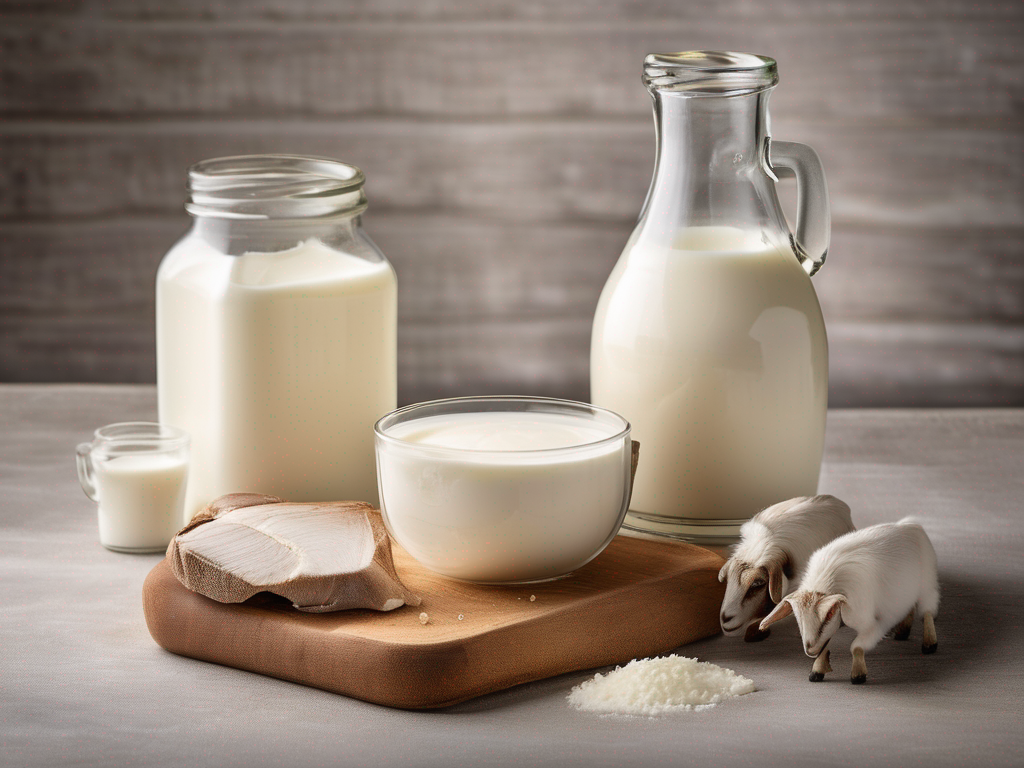
How to Properly Store Goat Milk to Extend Its Shelf Life
How to Properly Store Goat Milk to Extend Its Shelf Life
Goat milk is a nutritious and delicious alternative to cow's milk, prized for its rich flavor and nutritional quality. Proper storage is essential to maintain its freshness and extend its shelf life. In this comprehensive guide, we will explore the best practices for storing goat milk to ensure its quality and safety. (Goat milk)
Understanding the Importance of Proper Storage
Proper storage of goat milk is crucial to prevent spoilage and bacterial contamination. When stored incorrectly, goat milk can spoil quickly, leading to off-flavors and potential health risks. By following the correct storage guidelines, you can extend the shelf life of goat milk and enjoy it at its best quality.
Factors Affecting Goat Milk Shelf Life
Several factors can influence the shelf life of goat milk, including:
Dairy products require consistent cold storage to prevent spoilage and bacterial growth. A refrigerator thermometer (Amazon) helps ensure your refrigerator maintains safe temperatures (40°F or below).
- Temperature fluctuations
- Exposure to light
- Contamination with bacteria
- Improper packaging
Understanding these factors is essential for implementing the right storage practices to preserve the freshness of goat milk.
Best Practices for Storing Goat Milk
Proper storage begins the moment you bring home fresh goat milk. By following these guidelines, you can ensure that your goat milk stays fresh and safe to consume for an extended period:
1. Choose the Right Containers
- Use clean, airtight containers made of glass or food-grade plastic.
- Avoid storing goat milk in metal containers, as they can react with the milk and alter its flavor.
2. Refrigerate Immediately
- Refrigerate fresh goat milk promptly at a temperature of 40°F (4°C) or below.
- Store goat milk on the refrigerator's shelves rather than in the door, where temperatures fluctuate more.
3. Keep Away from Light and Heat
- Store goat milk in opaque containers to protect it from light exposure.
- Avoid placing goat milk near heat sources or direct sunlight, as this can accelerate spoilage.
4. Practice Proper Hygiene
- Wash your hands thoroughly before handling goat milk to prevent contamination.
- Clean and sanitize storage containers regularly to maintain hygiene.
5. Monitor Expiration Dates
- Label containers with the date of milk collection to track freshness.
- Use older goat milk first to prevent wastage and ensure optimal quality.
common situation: Storing Goat Milk Effectively
Imagine you’ve just returned from a local farm with a fresh supply of goat milk. You’re excited to incorporate it into your favorite recipes, like creamy goat cheese or a delightful goat milk custard. However, you want to ensure that this precious ingredient lasts as long as possible. In one situation, a friend of mine once forgot to refrigerate her goat milk right away. By the next day, she discovered it had spoiled, ruining her plans for a delicious breakfast. This is a valuable reminder that immediate refrigeration is crucial.
After opening, transferring dairy into an airtight container (Amazon) can reduce odor absorption, limit moisture exposure, and help slow bacterial growth.
In another case, someone I know decided to take advantage of a bulk purchase. They froze portions of goat milk to use later. When they thawed it for their baking, they noticed a slight change in texture. This experience taught them the importance of properly handling and thawing milk to maintain its quality. Thawing goat milk in the refrigerator overnight is always the best option to ensure a consistent texture.
Common Mistakes in Storing Goat Milk
Many people don’t realize how easily goat milk can spoil if not stored correctly. Here are some common mistakes to avoid:
- Not sealing containers properly: Leaving containers loosely sealed allows air to seep in, accelerating spoilage. Make sure your containers are airtight!
- Frequent temperature changes: Constantly opening the fridge can cause temperature fluctuations that negatively affect the milk. Try to keep the refrigerator door closed as much as possible.
- Ignoring the smell and taste test: Some may overlook the importance of sensory checks. Goat milk that smells sour or has an off-taste indicates spoilage, and it’s best not to consume it.
Scientific Context: Why Proper Storage Matters
Understanding the science behind goat milk spoilage can help underscore the importance of proper storage. Goat milk, like any dairy product, is susceptible to the growth of bacteria. When milk is exposed to warm temperatures or light, it can foster the growth of spoilage microorganisms.
One of the main reasons goat milk can spoil faster than cow's milk is due to its fat structure. Goat milk has smaller fat globules, which can be beneficial for digestion but also means that it is more prone to oxidation when exposed to air. This oxidation can lead to rancidity, affecting both flavor and safety. Keeping goat milk in airtight containers and away from light minimizes this risk.
Additional Tips for Extending Goat Milk Shelf Life
In addition to the basic storage guidelines, you can implement the following tips to further extend the shelf life of goat milk:
- Freezing: If you have excess goat milk, consider freezing it in airtight containers for long-term storage. Thaw frozen goat milk in the refrigerator before use. It's important to note that the texture may change slightly after freezing, but it remains safe and nutritious.
- Pasteurization: Pasteurizing goat milk can help extend its shelf life by killing harmful bacteria. Follow proper pasteurization techniques to ensure safety. If you're unfamiliar with pasteurization, it involves heating the milk to 161°F (72°C) for at least 15 seconds and then cooling it rapidly.
- Using Preservatives: While not ideal for everyone, adding preservatives like citric acid or potassium sorbate can help prolong the shelf life of goat milk. However, it’s essential to follow recommended guidelines and use these sparingly.
Expert Insights: Recommendations from Food Safety Professionals
Food safety experts often emphasize the importance of monitoring and maintaining cold chain temperatures for dairy products. Food safety guidance from public health agencies, a food safety specialist, recommends that consumers invest in a refrigerator thermometer. This device can help ensure your fridge stays at the recommended temperature of 40°F (4°C) or below.
Additionally, many professionals advocate for the use of glass containers, as they not only provide an airtight seal but also don’t leach any chemicals into the milk. This is particularly important for maintaining the quality and flavor of your goat milk over time.
Conclusion
Proper storage is essential for maintaining the quality and safety of goat milk. By following the guidelines outlined in this guide, you can ensure that your goat milk stays fresh, flavorful, and safe to consume for an extended period. Remember to prioritize hygiene, temperature control, and proper container selection to maximize the shelf life of your goat milk. Enjoy the creamy goodness of goat milk by storing it correctly and savoring its unique taste and nutritional benefits. Goat milk is a versatile ingredient that can enhance your culinary creations, so make the most of it by storing it properly.
Related Posts
Here are some other articles you might find helpful:
Authoritative Food Safety References
These agencies and university labs inform every tip and health precaution we publish.
USDA FoodKeeper – Cold Storage Guidelines
Official refrigerator, freezer, and pantry timelines maintained by the U.S. Department of Agriculture.
Visit USDA FoodKeeperFDA Produce Safety Rule & Grower Guidance
Field-to-fridge handling practices that prevent contamination of fruits, vegetables, and leafy greens.
Visit FDA Produce SafetyCDC Foodborne Illness Prevention Hub
Surveillance-backed guidance on pathogens, symptoms, and steps to reduce foodborne illness risk.
Visit CDC Food SafetyUC Davis Postharvest Technology Center
University research detailing optimal storage atmospheres for produce after harvest.
Visit UC Davis PostharvestPenn State Extension – Home Food Preservation & Safety
Peer-reviewed extension bulletins on safe canning, chilling, and reheating practices.
Visit Penn State ExtensionDisclosure: As an Amazon Associate, we earn from qualifying purchases. This helps support our site and allows us to continue providing free food safety information.