Proper Storage of Fresh Cut Apricots to Prevent Mold and Spoilage
Proper Storage of Fresh Cut Apricots to Prevent Mold and Spoilage
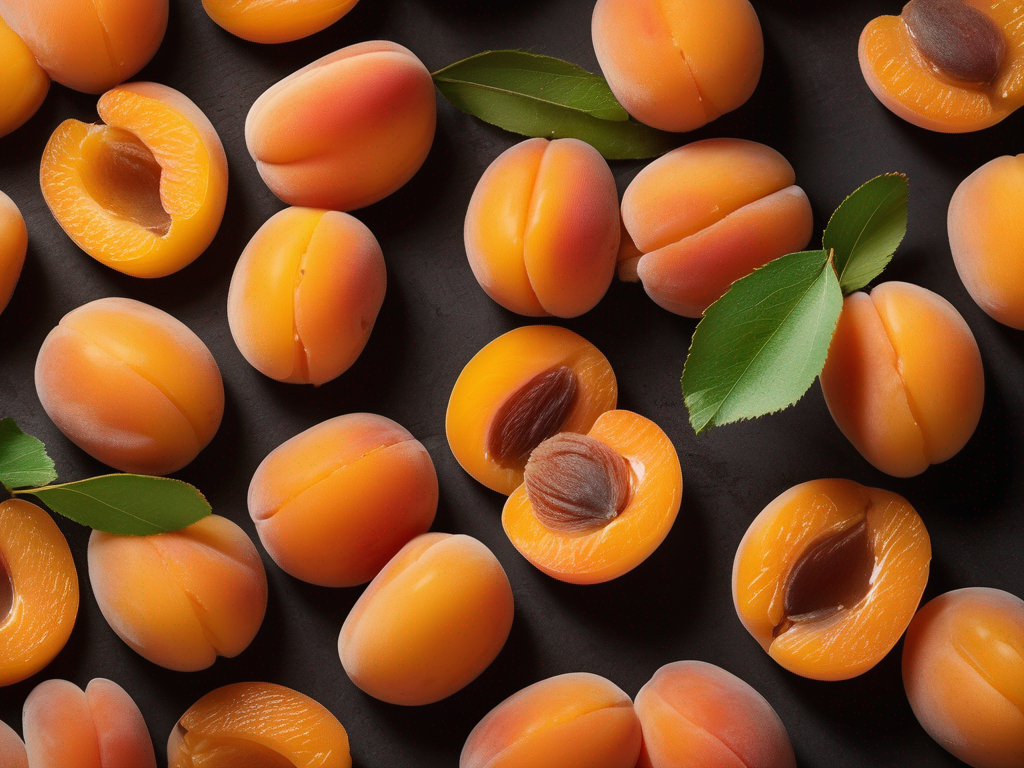
Fresh apricots are a delightful and nutritious fruit, but once they are cut, they become more susceptible to mold and spoilage. Proper storage is essential to preserve their flavor and freshness. In this blog post, we will discuss the best practices for storing fresh cut apricots to prevent mold and spoilage. (Fresh apricots cut)
Why Proper Storage is Important for Fresh Cut Apricots
Cut apricots are more prone to mold and spoilage due to increased exposure to air and moisture. When not stored correctly, they can quickly deteriorate, leading to food waste and potential health risks. Proper storage is crucial to maintain the quality and safety of fresh cut apricots.
Factors that Contribute to Mold and Spoilage
- Exposure to Air: Once apricots are cut, their flesh is exposed to the air, making them more vulnerable to oxidation and microbial growth.
- Moisture Content: Apricots contain natural sugars and moisture, creating an ideal environment for mold and bacteria to thrive.
- Temperature: Storing cut apricots at improper temperatures can accelerate spoilage and microbial growth.
Best Practices for Storing Fresh Cut Apricots
Follow these guidelines to ensure your fresh cut apricots stay fresh and delicious for longer:
Proper airflow and humidity control can significantly extend produce freshness. Many households use produce storage containers (Amazon) in the refrigerator to regulate moisture and slow spoilage.
1. Wash and Prepare Properly
- Wash the apricots thoroughly before cutting to remove any dirt or residues.
- Use a clean knife and cutting board to prevent contamination.
2. Use Airtight Containers
- Transfer the cut apricots into airtight containers to minimize exposure to air and moisture.
- Choose containers that are just the right size to avoid excess air inside.
3. Refrigerate at the Right Temperature
- Store the airtight containers in the refrigerator at a temperature of around 32-40°F (0-4°C).
- Avoid storing cut apricots at room temperature, as this can hasten spoilage.
4. Optimal Humidity Levels
- Maintain proper humidity levels in the refrigerator to prevent the apricots from drying out.
- Consider using a vegetable crisper or a produce drawer for storing cut apricots.
5. Use Lemon Juice or Ascorbic Acid
- To prevent browning and maintain freshness, you can sprinkle lemon juice or ascorbic acid on the cut apricots.
- This acidic solution helps to inhibit enzymatic browning and microbial growth.
Additional Tips for Storing Fresh Cut Apricots
- Check the cut apricots regularly for any signs of mold, spoilage, or off-odors.
- Consume the cut apricots within 2-3 days for the best quality and flavor.
- If you have excess cut apricots, consider freezing them in airtight bags for longer storage.
Conclusion
Proper storage is key to preserving the freshness and quality of fresh cut apricots. By following the tips mentioned in this blog post, you can prevent mold and spoilage, allowing you to enjoy this delicious fruit for longer periods. Remember to wash, refrigerate, and use airtight containers to keep your apricots fresh and safe for consumption.
For more information on [fresh apricots cut](/food/fresh apricots cut) and other food safety tips, visit our website. Happy storing! (Fresh apricots cut)
Related Posts
Here are some other articles you might find helpful:
Keeping produce organized can improve air circulation and cooling. refrigerator organizer bins (Amazon) help reduce overcrowding and maintain consistent refrigerator temperatures.
Authoritative Food Safety References
These agencies and university labs inform every tip and health precaution we publish.
USDA FoodKeeper – Cold Storage Guidelines
Official refrigerator, freezer, and pantry timelines maintained by the U.S. Department of Agriculture.
Visit USDA FoodKeeperFDA Produce Safety Rule & Grower Guidance
Field-to-fridge handling practices that prevent contamination of fruits, vegetables, and leafy greens.
Visit FDA Produce SafetyCDC Foodborne Illness Prevention Hub
Surveillance-backed guidance on pathogens, symptoms, and steps to reduce foodborne illness risk.
Visit CDC Food SafetyUC Davis Postharvest Technology Center
University research detailing optimal storage atmospheres for produce after harvest.
Visit UC Davis PostharvestPenn State Extension – Home Food Preservation & Safety
Peer-reviewed extension bulletins on safe canning, chilling, and reheating practices.
Visit Penn State ExtensionDisclosure: As an Amazon Associate, we earn from qualifying purchases. This helps support our site and allows us to continue providing free food safety information.