The Ultimate Guide to Storing Cold Brew Coffee in the Fridge
The Ultimate Guide to Storing Cold Brew Coffee in the Fridge
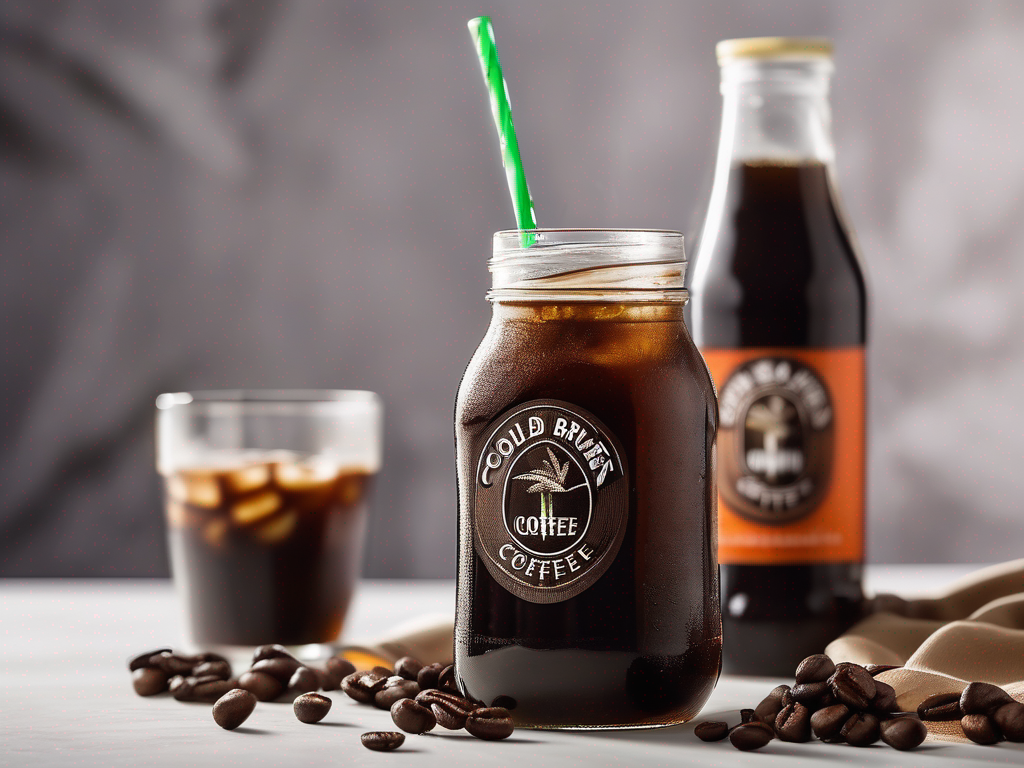
Cold brew coffee has become a favorite among coffee enthusiasts for its smooth, rich flavor and lower acidity compared to hot brewed coffee. To enjoy the freshness and flavor of your cold brew coffee for longer, proper storage is key. In this comprehensive guide, we will explore the best practices for storing cold brew coffee in the fridge to maintain its quality and taste. (Cold brew coffee)
Why Proper Storage is Important for Cold Brew Coffee
Proper storage of cold brew coffee is crucial to maintain its freshness, flavor, and quality. Here are some reasons why storing cold brew coffee correctly is essential:
Oxidation
Oxidation is one of the main factors that can degrade the flavor and quality of cold brew coffee. When exposed to air, coffee compounds can break down, leading to a stale taste and aroma.
Contamination
Improper storage can lead to contamination by bacteria, mold, or other harmful microorganisms, which can cause foodborne illnesses.
Temperature Control
Cold brew coffee needs to be stored at the right temperature to prevent bacterial growth and maintain its flavor profile.
How to Properly Store Cold Brew Coffee in the Fridge
Follow these tips to ensure your cold brew coffee stays fresh and delicious for longer:
1. Use Airtight Containers
- Store your cold brew coffee in a clean, airtight container to prevent exposure to air and moisture, which can cause oxidation and contamination.
- Mason jars or glass bottles with tight-fitting lids are ideal for storing cold brew coffee.
2. Keep it Cold
- Cold brew coffee should be stored in the refrigerator at a temperature below 40°F (4°C) to slow down the growth of bacteria and maintain freshness.
- Avoid storing cold brew coffee in the freezer, as it can affect the flavor and texture of the coffee.
3. Label and Date
- Always label your cold brew coffee containers with the date of preparation to track freshness.
- Cold brew coffee is best consumed within 1-2 weeks of preparation for optimal taste.
4. Avoid Light Exposure
- Store your cold brew coffee in a dark or opaque container to protect it from light exposure, which can degrade the flavor and quality of the coffee.
5. Do Not Dilute
- Do not add water or ice cubes to your stored cold brew coffee, as it can dilute the flavor and alter the taste profile.
Safety Tips for Storing Cold Brew Coffee
When storing cold brew coffee in the fridge, it's essential to follow these safety tips to prevent contamination and ensure food safety:
Cleanliness
- Make sure your storage containers are clean and sanitized before storing cold brew coffee to prevent bacterial growth.
- Wash your hands before handling the coffee and use clean utensils to avoid contamination.
Temperature Monitoring
- Regularly check the temperature of your fridge to ensure it stays below 40°F (4°C) to prevent bacterial growth in the cold brew coffee.
Smell and Taste Test
- Before consuming stored cold brew coffee, always do a smell and taste test to ensure it hasn't gone bad or developed off-flavors.
Discard if Uncertain
- If you are unsure about the freshness or safety of stored cold brew coffee, it's best to discard it to avoid the risk of foodborne illness.
Conclusion
Proper storage of cold brew coffee in the fridge is essential to maintain its freshness, flavor, and quality. By following the tips and safety guidelines outlined in this guide, you can enjoy delicious cold brew coffee for longer while ensuring food safety. Remember to use airtight containers, keep it cold, label and date your containers, avoid light exposure, and follow safety practices to store your cold brew coffee like a pro. Cheers to enjoying a refreshing cup of cold brew coffee anytime! (Cold brew coffee)
Authoritative Food Safety References
These agencies and university labs inform every tip and health precaution we publish.
USDA FoodKeeper – Cold Storage Guidelines
Official refrigerator, freezer, and pantry timelines maintained by the U.S. Department of Agriculture.
Visit USDA FoodKeeperFDA Produce Safety Rule & Grower Guidance
Field-to-fridge handling practices that prevent contamination of fruits, vegetables, and leafy greens.
Visit FDA Produce SafetyCDC Foodborne Illness Prevention Hub
Surveillance-backed guidance on pathogens, symptoms, and steps to reduce foodborne illness risk.
Visit CDC Food SafetyUC Davis Postharvest Technology Center
University research detailing optimal storage atmospheres for produce after harvest.
Visit UC Davis PostharvestPenn State Extension – Home Food Preservation & Safety
Peer-reviewed extension bulletins on safe canning, chilling, and reheating practices.
Visit Penn State Extension