The Ultimate Guide to Properly Storing Coffee Beans for Maximum Freshness
The Ultimate Guide to Properly Storing Coffee Beans for Maximum Freshness
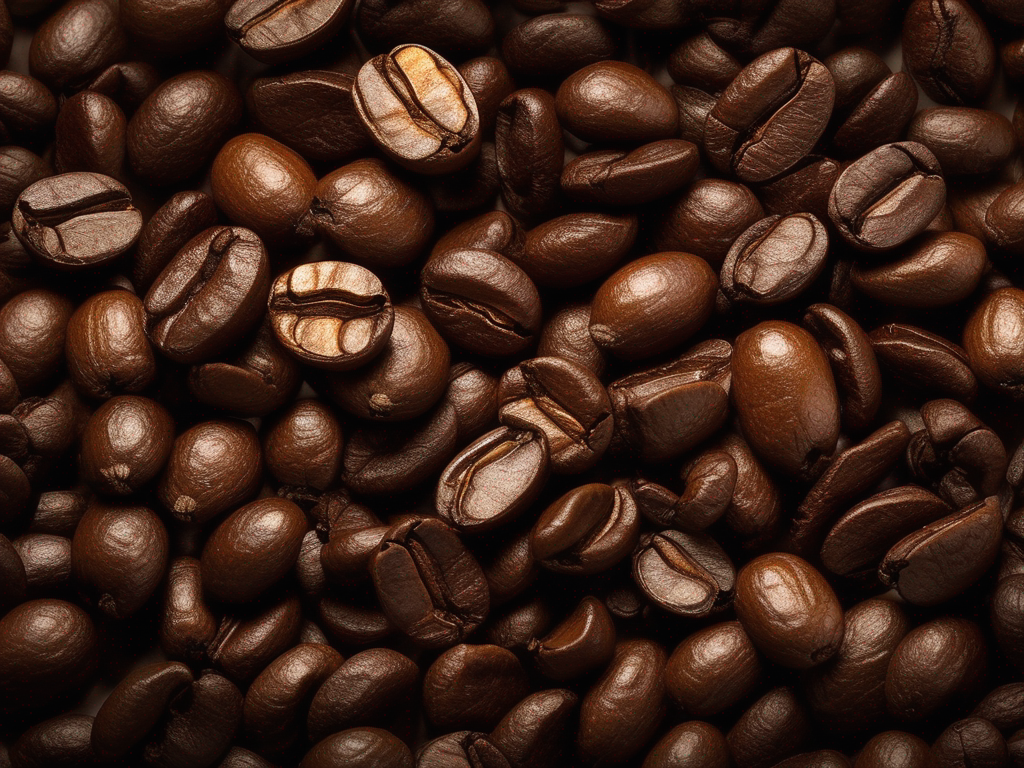
Coffee beans are a precious commodity for coffee lovers around the world. To ensure that your coffee beans retain their freshness, flavor, and aroma for as long as possible, proper storage is key. Improper storage can lead to stale, flavorless coffee that lacks the rich taste and aroma we all love. In this comprehensive guide, we will delve into the best practices for storing coffee beans to maintain their quality and freshness. (Coffee beans)
Importance of Properly Storing Coffee Beans
Proper storage of coffee beans is crucial for preserving their flavor and aroma. When exposed to air, light, moisture, and heat, coffee beans can deteriorate quickly, resulting in a loss of quality. To fully enjoy the rich flavors and aromas of your coffee beans, it is essential to store them correctly.
Factors that Affect Coffee Bean Freshness
Several factors can affect the freshness of coffee beans, including:
- Air exposure
- Light exposure
- Moisture
- Temperature fluctuations
Best Practices for Storing Coffee Beans
To keep your coffee beans fresh and flavorful for longer, follow these best practices for storage:
1. Choose the Right Container
- Store coffee beans in an airtight container to prevent exposure to oxygen.
- Opt for a container with a valve to release carbon dioxide while preventing oxygen from entering.
- Avoid storing coffee beans in transparent containers as light can degrade the beans.
2. Keep Away from Light and Heat
- Store coffee beans in a cool, dark place away from direct sunlight.
- Avoid placing the container near heat sources such as stoves or ovens.
3. Maintain Consistent Temperature and Humidity
- Store coffee beans at a stable temperature, ideally between 50-70 degrees Fahrenheit.
- Keep the humidity level around 60% to prevent moisture from affecting the beans.
4. Store in Small Batches
- Only grind enough coffee beans for immediate use to preserve the freshness of the remaining beans.
- Store coffee beans in small batches to minimize air exposure when opening the container.
5. Avoid Freezing Coffee Beans
- Contrary to popular belief, avoid storing coffee beans in the freezer as it can cause moisture buildup and affect the flavor.
Additional Tips for Storing Coffee Beans
Here are some additional tips to help you store your coffee beans effectively:
- Purchase coffee beans in smaller quantities to ensure freshness.
- Use a quality burr grinder to grind your coffee beans just before brewing for maximum flavor.
- Consider investing in a vacuum sealer to extend the shelf life of your coffee beans.
Conclusion
Properly storing coffee beans is essential for maintaining their freshness, flavor, and aroma. By following the best practices outlined in this guide, you can enjoy a delicious cup of coffee every time you brew. Remember to keep your coffee beans in an airtight container, away from light and heat, and in a consistent environment to preserve their quality. With these tips, you can savor the rich flavors of freshly brewed coffee at home. [Coffee beans](/food/coffee beans) (Coffee beans)
Related Posts
Here are some other articles you might find helpful:
- How to Store Coffee Beans to Keep Them Fresh Longer
- Tips for Safely Consuming Expired Cold Brew Coffee
- The Ultimate Guide to Extending the Shelf Life of Cold Brew Coffee
- The Ultimate Guide to DIY Coffee Preservation Methods for Longer Shelf Life
- When to Discard Unopened Coffee Ground that has Gone Bad
Authoritative Food Safety References
These agencies and university labs inform every tip and health precaution we publish.
USDA FoodKeeper – Cold Storage Guidelines
Official refrigerator, freezer, and pantry timelines maintained by the U.S. Department of Agriculture.
Visit USDA FoodKeeperFDA Produce Safety Rule & Grower Guidance
Field-to-fridge handling practices that prevent contamination of fruits, vegetables, and leafy greens.
Visit FDA Produce SafetyCDC Foodborne Illness Prevention Hub
Surveillance-backed guidance on pathogens, symptoms, and steps to reduce foodborne illness risk.
Visit CDC Food SafetyUC Davis Postharvest Technology Center
University research detailing optimal storage atmospheres for produce after harvest.
Visit UC Davis PostharvestPenn State Extension – Home Food Preservation & Safety
Peer-reviewed extension bulletins on safe canning, chilling, and reheating practices.
Visit Penn State Extension