The Ultimate Guide to Properly Storing Chicory to Extend its Shelf Life
The Ultimate Guide to Properly Storing Chicory to Extend its Shelf Life
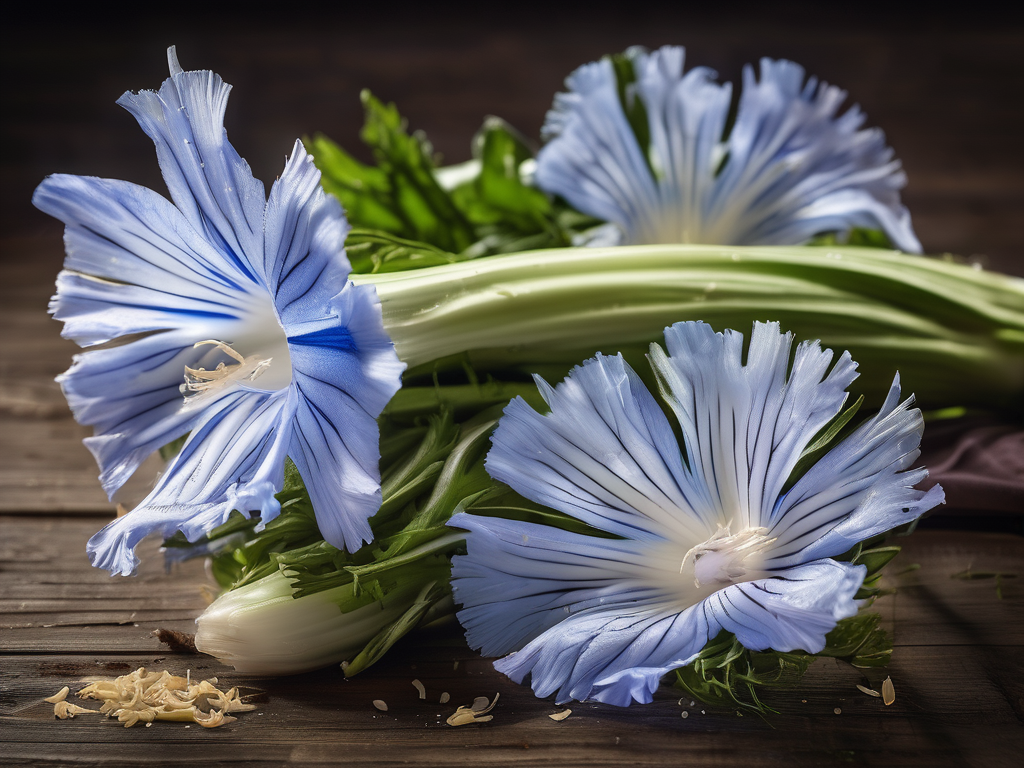
Chicory, a versatile and nutritious leafy green, is a popular ingredient in salads, soups, and stir-fries. Properly storing chicory is essential to maintain its freshness, flavor, and nutritional value. In this comprehensive guide, we will explore the best practices for storing chicory to extend its shelf life and minimize food waste. (Chicory)
Why Proper Storage Matters for Chicory
Proper storage of chicory is crucial for several reasons:
- Maintain Freshness: Storing chicory correctly helps to preserve its crisp texture and vibrant color.
- Extend Shelf Life: By storing chicory properly, you can prolong its freshness and prevent spoilage.
- Preserve Nutritional Value: Proper storage helps retain the nutritional content of chicory, including vitamins and minerals.
- Minimize Food Waste: By storing chicory correctly, you can reduce waste and save money.
Best Practices for Storing Chicory
Follow these tips to ensure your chicory stays fresh and flavorful for longer:
Proper airflow and humidity control can significantly extend produce freshness. Many households use produce storage containers (Amazon) in the refrigerator to regulate moisture and slow spoilage.
1. Choose Fresh Chicory
Start with fresh chicory to maximize its shelf life. Look for chicory with crisp leaves and no signs of wilting or discoloration.
2. Store Chicory in the Refrigerator
Chicory is best stored in the refrigerator to maintain its freshness. Follow these steps for proper refrigeration:
a. Rinse and Dry Chicory
- Gently rinse chicory under cold water to remove any dirt or debris.
- Pat the leaves dry with a clean kitchen towel or salad spinner to remove excess moisture.
b. Wrap Chicory in Paper Towels
- Wrap the chicory in paper towels to absorb any remaining moisture and prevent wilting.
- Place the wrapped chicory in a perforated plastic bag or airtight container.
c. Store in the Crisper Drawer
- Place the wrapped chicory in the crisper drawer of your refrigerator.
- Avoid storing chicory near ethylene-producing fruits, as this can cause it to spoil faster.
3. Properly Seal Chicory for Freezing
If you have excess chicory that you want to freeze for later use, follow these steps to ensure proper storage:
a. Blanch Chicory
- Blanching chicory before freezing helps preserve its color, flavor, and texture.
- Bring a pot of water to a boil and blanch the chicory for 2-3 minutes.
- Transfer the blanched chicory to an ice bath to stop the cooking process.
b. Drain and Dry Chicory
- Drain the blanched chicory and pat it dry with paper towels.
- Ensure the chicory is completely dry before freezing to prevent freezer burn.
c. Freeze Chicory
- Place the dried chicory in a freezer-safe bag or container.
- Label the bag with the date and store it in the freezer for up to 6 months.
4. Check Chicory for Spoilage
Regularly inspect your chicory for signs of spoilage, such as wilting, mold, or discoloration. Discard any chicory that appears spoiled to prevent foodborne illness.
Conclusion
Properly storing chicory is essential to maintain its freshness, flavor, and nutritional value. By following the tips outlined in this guide, you can extend the shelf life of chicory and enjoy its benefits for longer. Remember to choose fresh chicory, store it in the refrigerator, properly seal it for freezing, and check for spoilage regularly. With these practices, you can make the most of this versatile leafy green and minimize food waste. Enjoy your chicory in various dishes while ensuring it stays fresh and delicious!
For more information on chicory and other food storage tips, visit here. (Chicory)
Related Posts
Here are some other articles you might find helpful:
Authoritative Food Safety References
These agencies and university labs inform every tip and health precaution we publish.
USDA FoodKeeper – Cold Storage Guidelines
Official refrigerator, freezer, and pantry timelines maintained by the U.S. Department of Agriculture.
Visit USDA FoodKeeperFDA Produce Safety Rule & Grower Guidance
Field-to-fridge handling practices that prevent contamination of fruits, vegetables, and leafy greens.
Visit FDA Produce SafetyCDC Foodborne Illness Prevention Hub
Surveillance-backed guidance on pathogens, symptoms, and steps to reduce foodborne illness risk.
Visit CDC Food SafetyUC Davis Postharvest Technology Center
University research detailing optimal storage atmospheres for produce after harvest.
Visit UC Davis PostharvestPenn State Extension – Home Food Preservation & Safety
Peer-reviewed extension bulletins on safe canning, chilling, and reheating practices.
Visit Penn State ExtensionDisclosure: As an Amazon Associate, we earn from qualifying purchases. This helps support our site and allows us to continue providing free food safety information.