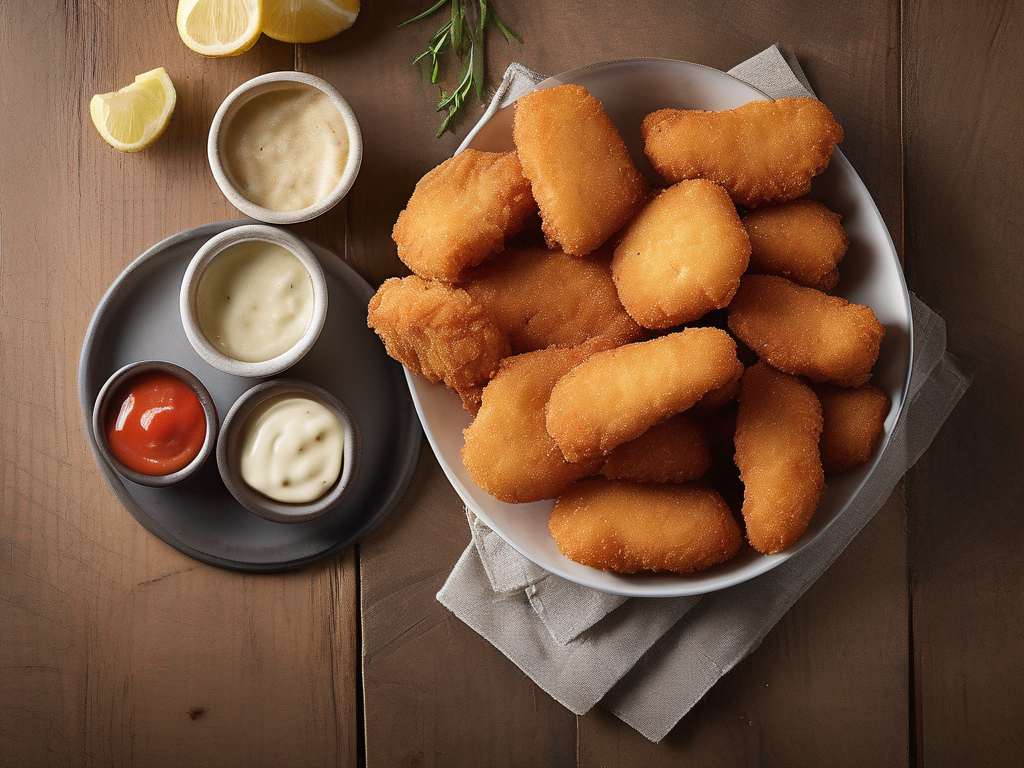
Proper Storage of Commercially Frozen Chicken Tenders and Chicken Nuggets
Proper Storage of Commercially Frozen Chicken Tenders and Chicken Nuggets
When it comes to storing commercially frozen chicken tenders and chicken nuggets, proper handling and storage practices are crucial to maintain their quality, safety, and flavor. In this comprehensive guide, we will explore the best ways to store these popular frozen food items to ensure they stay fresh and safe for consumption. (Chicken tenders chicken nuggets purchased commercially frozen)
Understanding Commercially Frozen Chicken Tenders and Chicken Nuggets
Before we delve into storage tips, it's important to understand the nature of commercially frozen chicken tenders and chicken nuggets. These products are typically pre-cooked or partially cooked before being frozen, making them convenient options for quick meals or snacks. However, improper storage can lead to the growth of harmful bacteria and compromise their texture and taste.
Key Points:
- Commercially frozen chicken tenders and nuggets are precooked or partially cooked.
- Freezing helps to preserve the freshness and quality of the products.
- Proper storage is essential to maintain food safety and taste.
Best Practices for Storing Chicken Tenders and Chicken Nuggets
Follow these guidelines to ensure that your commercially frozen chicken tenders and chicken nuggets remain safe and delicious for consumption:
Proper cooking temperatures are essential for food safety. An instant-read food thermometer (Amazon) helps ensure meat reaches safe internal temperatures and reduces the risk of foodborne illness.
1. Check the Packaging
- Inspect the packaging for any signs of damage or leaks.
- Ensure that the packaging is sealed tightly to prevent air and moisture from entering.
2. Store at the Right Temperature
- Keep your freezer at 0°F (-18°C) or below for optimal storage of frozen foods.
- Store the chicken tenders and nuggets in the coldest part of the freezer to maintain their quality.
3. Use Proper Containers
- Transfer the chicken tenders and nuggets to airtight containers or freezer bags for added protection.
- Label the containers with the date of purchase to track their freshness.
4. Avoid Temperature Fluctuations
- Minimize the frequency of opening and closing the freezer door to prevent temperature fluctuations.
- Do not refreeze thawed chicken tenders or nuggets to avoid compromising their quality.
5. Organize Your Freezer
- Arrange the chicken tenders and nuggets in a single layer to allow for even freezing and quick thawing.
- Keep similar items together and avoid overcrowding the freezer to maintain proper air circulation.
Safety Precautions for Handling Frozen Chicken Products
When handling commercially frozen chicken tenders and chicken nuggets, it's essential to practice good food safety habits to prevent foodborne illnesses. Follow these safety precautions to ensure the proper handling of frozen chicken products:
1. Thawing Safely
- Thaw frozen chicken tenders and nuggets in the refrigerator overnight or use the defrost setting on your microwave.
- Avoid thawing at room temperature to prevent bacterial growth.
2. Cooking Thoroughly
- Follow the cooking instructions on the packaging to ensure that the chicken tenders and nuggets are cooked to the recommended internal temperature.
- Use a food thermometer to verify that the products are fully cooked.
3. Avoid Cross-Contamination
- Wash your hands, utensils, and surfaces thoroughly after handling raw chicken products.
- Keep raw chicken separate from other foods to prevent cross-contamination.
4. Monitor Shelf Life
- Keep track of the expiration date on the packaging and consume the chicken tenders and nuggets before the indicated date.
- Discard any frozen chicken products that show signs of spoilage, such as off odors or freezer burn.
Conclusion
Proper storage and handling of commercially frozen chicken tenders and chicken nuggets are essential for maintaining their quality and safety. By following the guidelines outlined in this guide, you can enjoy these convenient frozen foods while ensuring that they remain fresh and delicious. Remember to check the packaging, store at the right temperature, use proper containers, avoid temperature fluctuations, and practice safety precautions when handling frozen chicken products. With these tips, you can confidently store and enjoy your favorite chicken tenders and nuggets with peace of mind. (Chicken tenders chicken nuggets purchased commercially frozen)
Authoritative Food Safety References
These agencies and university labs inform every tip and health precaution we publish.
USDA FoodKeeper – Cold Storage Guidelines
Official refrigerator, freezer, and pantry timelines maintained by the U.S. Department of Agriculture.
Visit USDA FoodKeeperFDA Produce Safety Rule & Grower Guidance
Field-to-fridge handling practices that prevent contamination of fruits, vegetables, and leafy greens.
Visit FDA Produce SafetyCDC Foodborne Illness Prevention Hub
Surveillance-backed guidance on pathogens, symptoms, and steps to reduce foodborne illness risk.
Visit CDC Food SafetyUC Davis Postharvest Technology Center
University research detailing optimal storage atmospheres for produce after harvest.
Visit UC Davis PostharvestPenn State Extension – Home Food Preservation & Safety
Peer-reviewed extension bulletins on safe canning, chilling, and reheating practices.
Visit Penn State ExtensionDisclosure: As an Amazon Associate, we earn from qualifying purchases. This helps support our site and allows us to continue providing free food safety information.