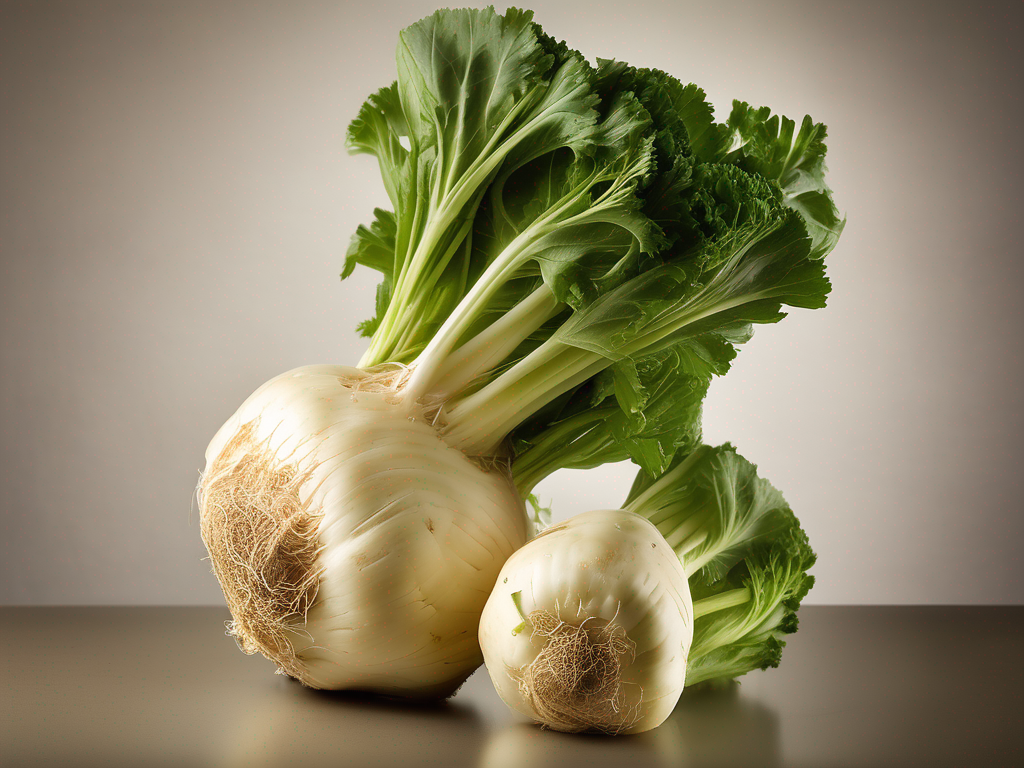
How to Properly Store Celeriac to Extend Its Shelf Life
How to Properly Store Celeriac to Extend Its Shelf Life
Celeriac, also known as celery root, is a versatile and flavorful vegetable that is commonly used in soups, stews, salads, and other dishes. It has a unique taste that is a cross between celery and parsley, with a hint of nuttiness. Celeriac is not only delicious but also packed with nutrients like fiber, vitamins, and minerals. To enjoy this nutritious vegetable for longer, proper storage is essential. In this blog post, we will discuss how to store celeriac to extend its shelf life, ensuring that it stays fresh and flavorful for as long as possible. (Celeriac)
Understanding Celeriac
Before diving into storage tips, it's important to understand the characteristics of celeriac that can impact its shelf life:
- Celeriac has a thick, rough skin that helps protect it from moisture loss.
- The vegetable has a high water content, which can lead to spoilage if not stored correctly.
- Celeriac is best stored in a cool, dark, and humid environment to prevent it from drying out or sprouting.
Now, let's explore the best practices for storing celeriac:
Proper airflow and humidity control can significantly extend produce freshness. Many households use produce storage containers (Amazon) in the refrigerator to regulate moisture and slow spoilage.
Selecting and Preparing Celeriac for Storage
Before storing celeriac, it's crucial to choose the best quality vegetables and prepare them properly:
- Choose Fresh Celeriac: Select celeriac with firm, unblemished skin and no signs of mold or soft spots.
- Remove Greens: Trim off any leaves or stems attached to the celeriac, as they can draw moisture from the root.
- Clean Thoroughly: Wash the celeriac under running water to remove any dirt or debris.
- Dry Completely: Pat the celeriac dry with a clean towel to prevent excess moisture buildup during storage.
Best Storage Methods for Celeriac
Proper storage is key to extending the shelf life of celeriac. Here are some effective storage methods to keep your celeriac fresh:
1. Refrigeration
- Storage Bag: Place the celeriac in a perforated plastic bag or a vegetable storage bag to maintain humidity levels.
- Crisper Drawer: Store the celeriac in the crisper drawer of the refrigerator at temperatures around 32-40°F (0-4°C).
- Avoid Moisture: Ensure the storage area is dry to prevent the celeriac from becoming soggy.
2. Root Cellar
- Cool and Dark: Store celeriac in a root cellar or a cool, dark place with good ventilation.
- Temperature: Maintain temperatures between 32-40°F (0-4°C) to prevent premature sprouting.
3. Freezing
- Blanching: To freeze celeriac, blanch the root in boiling water for a few minutes, then plunge it into ice water to stop the cooking process.
- Packaging: Place the blanched celeriac in airtight containers or freezer bags, removing excess air before sealing.
- Label and Date: Label the containers with the date and use them within 10-12 months for the best quality.
Tips for Prolonging Celeriac's Shelf Life
To maximize the shelf life of celeriac, consider the following tips:
Keeping produce organized can improve air circulation and cooling. refrigerator organizer bins (Amazon) help reduce overcrowding and maintain consistent refrigerator temperatures.
- Check Regularly: Inspect the celeriac periodically for any signs of spoilage, such as mold, soft spots, or sprouting.
- Avoid Exposure: Store celeriac away from ethylene-producing fruits like apples and bananas, as they can accelerate ripening.
- Use Proper Containers: Opt for breathable containers or bags that allow air circulation to prevent moisture buildup.
- Rotate Stock: Use older celeriac first to ensure that none of the vegetables go to waste.
Conclusion
Proper storage is essential for maintaining the freshness and quality of celeriac. By following the tips outlined in this guide, you can extend the shelf life of celeriac and enjoy its delicious flavor in your favorite recipes for longer. Whether you choose to refrigerate, store in a root cellar, or freeze celeriac, ensuring the right conditions will help preserve this nutritious vegetable. By selecting high-quality celeriac, preparing it correctly, and storing it properly, you can make the most of this versatile ingredient in your culinary creations.
Remember, fresh celeriac is key to delicious dishes, so store it right and savor the flavor! (Celeriac)
Authoritative Food Safety References
These agencies and university labs inform every tip and health precaution we publish.
USDA FoodKeeper – Cold Storage Guidelines
Official refrigerator, freezer, and pantry timelines maintained by the U.S. Department of Agriculture.
Visit USDA FoodKeeperFDA Produce Safety Rule & Grower Guidance
Field-to-fridge handling practices that prevent contamination of fruits, vegetables, and leafy greens.
Visit FDA Produce SafetyCDC Foodborne Illness Prevention Hub
Surveillance-backed guidance on pathogens, symptoms, and steps to reduce foodborne illness risk.
Visit CDC Food SafetyUC Davis Postharvest Technology Center
University research detailing optimal storage atmospheres for produce after harvest.
Visit UC Davis PostharvestPenn State Extension – Home Food Preservation & Safety
Peer-reviewed extension bulletins on safe canning, chilling, and reheating practices.
Visit Penn State ExtensionDisclosure: As an Amazon Associate, we earn from qualifying purchases. This helps support our site and allows us to continue providing free food safety information.