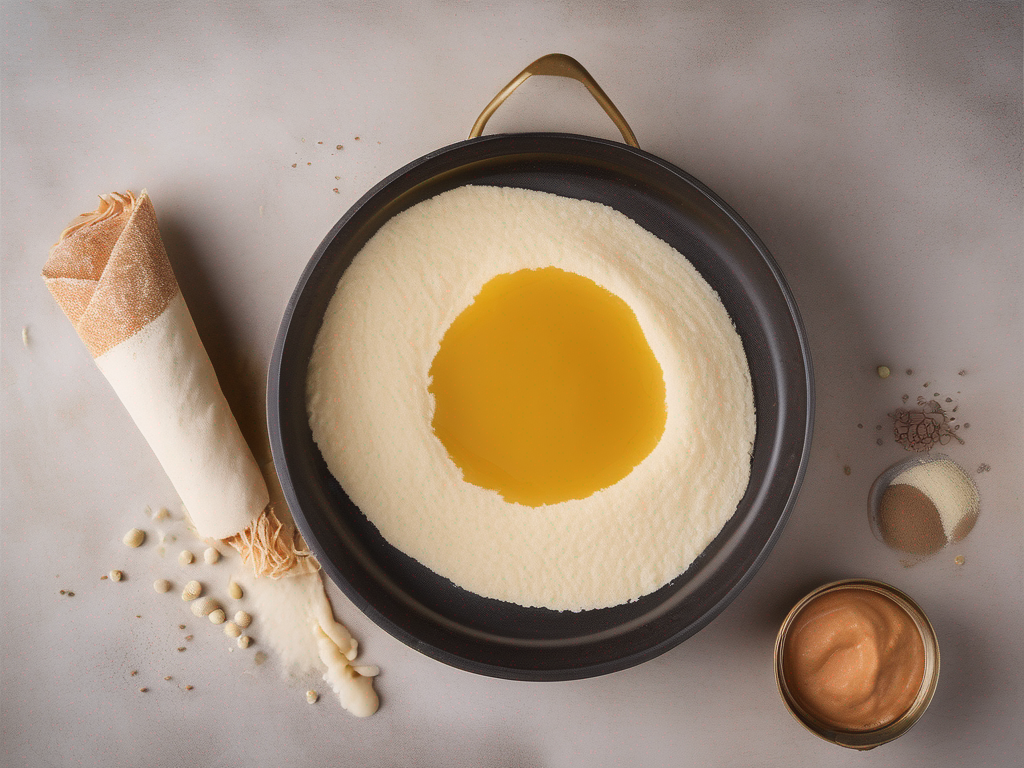
How to Properly Defrost Frozen Dosa Batter Without Losing Flavor
How to Properly Defrost Frozen Dosa Batter Without Losing Flavor
Are you a fan of crispy, golden dosas but find yourself short on time to prepare the batter from scratch every time? Freezing dosa batter can be a convenient solution to have it on hand whenever cravings strike. However, improper thawing methods can impact the flavor and texture of your dosas. In this guide, we will walk you through the steps to defrost frozen dosa batter while preserving its delicious taste and consistency. (Dosa batter)
Understanding the Importance of Proper Defrosting
Proper defrosting is crucial to maintaining the quality of your dosa batter. When done incorrectly, you risk altering the texture and flavor of the batter. Here are some reasons why proper defrosting matters:
- Texture Retention: Improper thawing can lead to a watery or lumpy batter, affecting the final texture of your dosas.
- Flavor Preservation: Slow and controlled defrosting helps retain the original taste and aroma of the batter.
- Food Safety: Thawing at room temperature can promote bacterial growth, compromising food safety.
Best Practices for Defrosting Dosa Batter
Follow these simple steps to defrost your frozen dosa batter effectively while ensuring that it retains its flavor and quality:
1. Plan Ahead
Before freezing dosa batter, portion it into smaller quantities based on your consumption needs. This makes it easier to defrost only the amount you require without repeatedly thawing and refreezing the entire batch.
2. Select the Right Defrosting Method
Choose a method that suits your timeline and ensures gradual thawing to prevent temperature shock to the batter. Here are some recommended methods:
- Refrigerator: Transfer the frozen dosa batter from the freezer to the refrigerator the night before you plan to use it. This slow thawing method helps maintain the batter's consistency and flavor.
- Cold Water Bath: Place the sealed bag or container of dosa batter in a bowl of cold water. Change the water every 30 minutes until the batter is completely thawed.
- Microwave: If you're short on time, you can use the defrost setting on your microwave. Be sure to follow the manufacturer's instructions and stir the batter periodically to ensure even thawing.
3. Monitor the Thawing Process
Check the batter periodically during the thawing process to ensure it is defrosting evenly. Stirring the batter gently can help distribute the temperature and prevent any lumps from forming.
4. Test for Readiness
Once the dosa batter is thawed, check its consistency and aroma. It should resemble the fresh batter in texture and smell. If the batter appears watery or has an off smell, it may have been improperly thawed.
5. Use Thawed Dosa Batter Promptly
Once the dosa batter is fully defrosted, use it promptly to prepare delicious dosas. Avoid refreezing thawed batter to maintain its quality.
Safety Tips for Thawing Dosa Batter
Ensuring the safety of your dosa batter during the thawing process is essential to prevent foodborne illnesses. Here are some safety tips to keep in mind:
- Maintain Proper Temperature: Thaw the dosa batter in the refrigerator or using cold water to prevent bacterial growth.
- Avoid Room Temperature Thawing: Thawing at room temperature can lead to the rapid multiplication of bacteria, posing a risk to food safety.
- Use Clean Utensils: When stirring or handling the batter, use clean utensils to prevent contamination.
Conclusion
By following these simple steps and safety guidelines, you can defrost frozen dosa batter without compromising its flavor and quality. Proper thawing techniques help preserve the taste and texture of your dosas, ensuring a delightful culinary experience every time. Whether you choose to thaw the batter in the refrigerator, using a cold water bath, or the microwave, remember to monitor the process closely and use the thawed batter promptly for the best results.
Next time you reach for that frozen [dosa batter](/food/dosa batter), you can defrost it with confidence, knowing that your dosas will turn out just as delicious as if you had prepared the batter fresh. Enjoy your crispy dosas without the hassle, thanks to proper defrosting techniques! (Dosa batter)
Related Posts
Here are some other articles you might find helpful:
Authoritative Food Safety References
These agencies and university labs inform every tip and health precaution we publish.
USDA FoodKeeper – Cold Storage Guidelines
Official refrigerator, freezer, and pantry timelines maintained by the U.S. Department of Agriculture.
Visit USDA FoodKeeperFDA Produce Safety Rule & Grower Guidance
Field-to-fridge handling practices that prevent contamination of fruits, vegetables, and leafy greens.
Visit FDA Produce SafetyCDC Foodborne Illness Prevention Hub
Surveillance-backed guidance on pathogens, symptoms, and steps to reduce foodborne illness risk.
Visit CDC Food SafetyUC Davis Postharvest Technology Center
University research detailing optimal storage atmospheres for produce after harvest.
Visit UC Davis PostharvestPenn State Extension – Home Food Preservation & Safety
Peer-reviewed extension bulletins on safe canning, chilling, and reheating practices.
Visit Penn State Extension