How to Prevent Clumping in Brown Sugar Storage
How to Prevent Clumping in Brown Sugar Storage
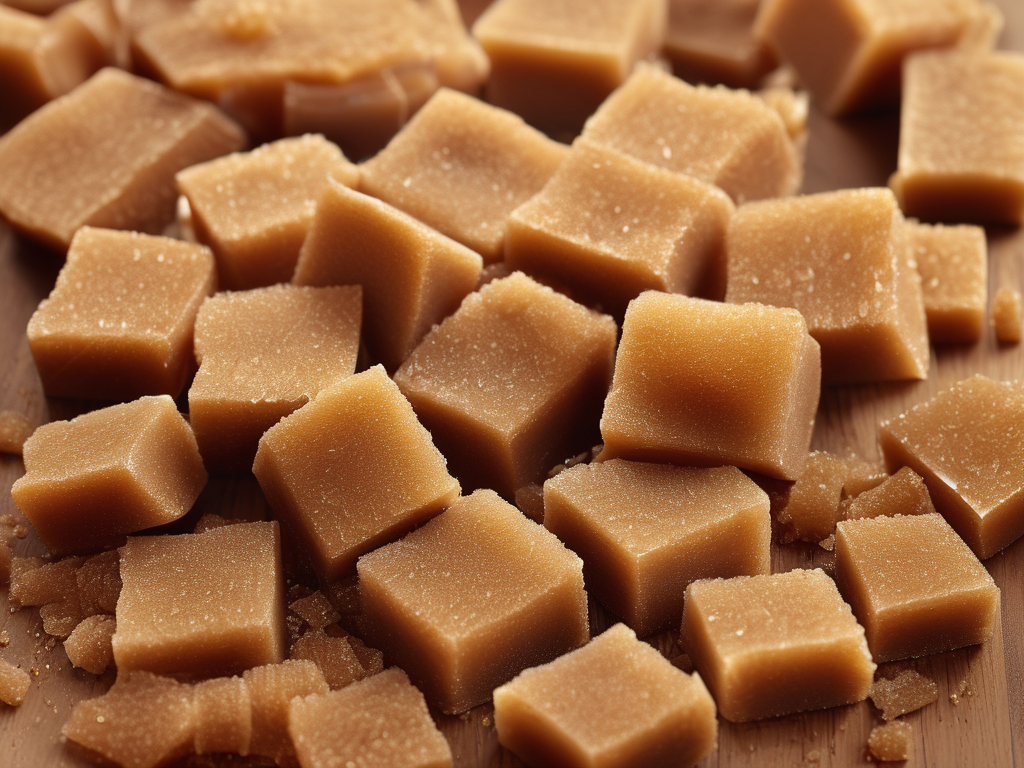
Brown sugar is a pantry staple that adds rich flavor to baked goods, sauces, and marinades. However, one common issue that many home cooks face is clumping in brown sugar storage. When brown sugar is exposed to air, it can harden and form lumps, making it difficult to measure and use in recipes. In this blog post, we will explore some practical tips on how to prevent clumping in brown sugar storage and keep it fresh and ready to use. (Brown sugar)
Why Does Brown Sugar Clump?
Before we delve into prevention methods, let's understand why brown sugar tends to clump. Brown sugar contains molasses, which is hygroscopic, meaning it absorbs moisture from the air. When exposed to humidity, the moisture causes the sugar crystals to stick together, leading to clumping. Additionally, improper storage conditions such as air exposure can exacerbate this issue.
The Importance of Proper Storage
Proper storage is key to preventing clumping in brown sugar. By following some simple guidelines, you can maintain the quality and texture of your brown sugar for longer periods.
Dairy products require consistent cold storage to prevent spoilage and bacterial growth. A refrigerator thermometer (Amazon) helps ensure your refrigerator maintains safe temperatures (40°F or below).
Here are some practical tips to help you keep your brown sugar fresh and free from clumps:
-
Store in an Airtight Container: Transfer your brown sugar to an airtight container as soon as you open the original packaging. A sealable plastic or glass container with a tight-fitting lid works best to keep air and moisture out.
-
Add a Moisture Source: To prevent the sugar from drying out and forming lumps, consider placing a small piece of bread, apple slice, or a terracotta brown sugar saver in the container. These moisture sources help maintain the sugar's moisture content without causing it to clump.
-
Avoid Temperature Fluctuations: Store your brown sugar in a cool, dry place away from direct sunlight and heat sources like the stove or oven. Temperature fluctuations can cause condensation inside the container, leading to clumping.
-
Use Food-Grade Sealable Bags: If you prefer using plastic bags for storage, opt for food-grade sealable bags that provide a tight seal and prevent air from entering.
-
Refrigerate or Freeze: If you live in a particularly humid environment, consider refrigerating or freezing your brown sugar. Be sure to let it come to room temperature before using it in recipes.
Reviving Clumped Brown Sugar
Despite your best efforts, brown sugar may still clump over time. If you find yourself with hardened brown sugar, there are simple methods to revive it and restore its texture for use in your favorite dishes.
Quick Fixes for Clumped Brown Sugar:
-
Microwave Method: Place the clumped brown sugar in a microwave-safe bowl, cover it with a damp paper towel, and microwave in short intervals, checking and stirring in between until the sugar softens.
-
Bread Slice Method: Alternatively, you can place a piece of bread in the container with the clumped sugar overnight. The bread will impart moisture to the sugar, helping to soften it.
-
Grate or Crush: For smaller clumps, use a box grater or a mortar and pestle to break up the sugar into finer pieces.
Conclusion
In conclusion, clumping in brown sugar storage is a common issue that can be easily prevented with the right storage techniques and a little know-how. By storing your brown sugar in an airtight container, adding a moisture source, and avoiding temperature fluctuations, you can keep your brown sugar fresh, soft, and ready to use in your culinary creations.
Remember, proper storage not only prevents clumping but also ensures food safety by keeping your ingredients fresh and free from contaminants. By following these tips, you can enjoy the convenience of easily accessible brown sugar for all your cooking and baking needs.
For more information on brown sugar and other food safety tips, visit our [brown sugar](/food/brown sugar) page. Happy baking! (Brown sugar)
Related Posts
Here are some other articles you might find helpful:
Authoritative Food Safety References
These agencies and university labs inform every tip and health precaution we publish.
USDA FoodKeeper – Cold Storage Guidelines
Official refrigerator, freezer, and pantry timelines maintained by the U.S. Department of Agriculture.
Visit USDA FoodKeeperFDA Produce Safety Rule & Grower Guidance
Field-to-fridge handling practices that prevent contamination of fruits, vegetables, and leafy greens.
Visit FDA Produce SafetyCDC Foodborne Illness Prevention Hub
Surveillance-backed guidance on pathogens, symptoms, and steps to reduce foodborne illness risk.
Visit CDC Food SafetyUC Davis Postharvest Technology Center
University research detailing optimal storage atmospheres for produce after harvest.
Visit UC Davis PostharvestPenn State Extension – Home Food Preservation & Safety
Peer-reviewed extension bulletins on safe canning, chilling, and reheating practices.
Visit Penn State ExtensionDisclosure: As an Amazon Associate, we earn from qualifying purchases. This helps support our site and allows us to continue providing free food safety information.