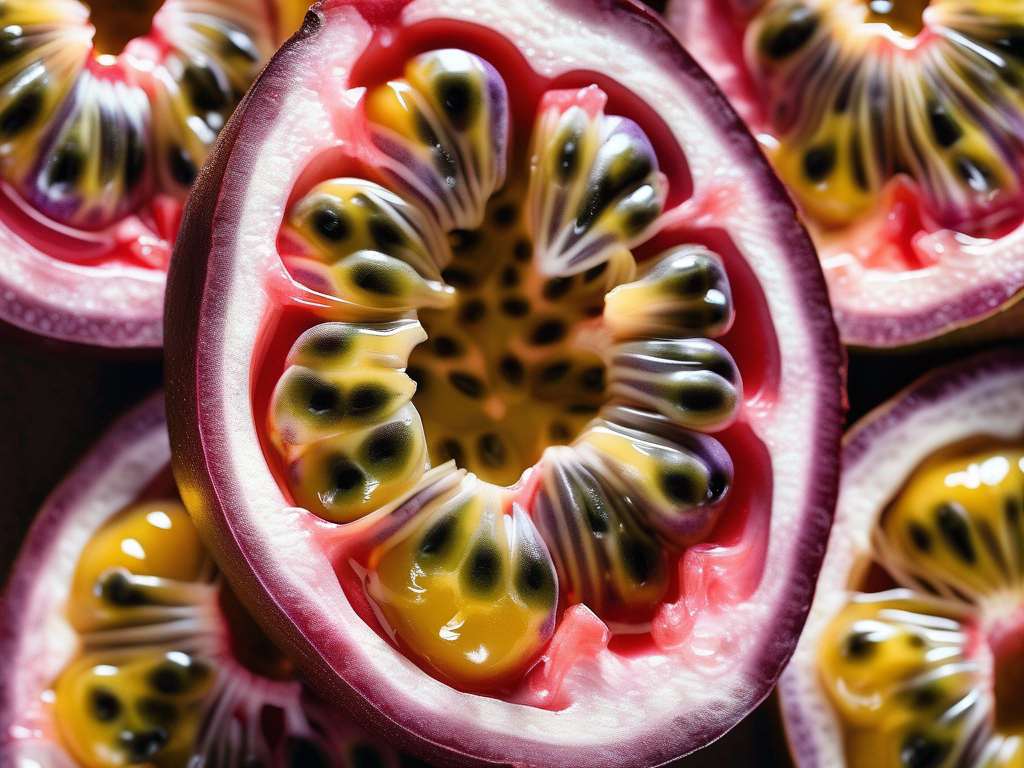
Enjoying Fresh Passion Fruit: Tips for Safe and Delicious Consumption
CanIEatExpired.com Team
# Enjoying Fresh Passion Fruit: Tips for Safe and Delicious Consumption

Passion fruit is a delicious and exotic fruit that is not only flavorful but also packed with essential nutrients. Whether you're a seasoned passion fruit enthusiast or trying it for the first time, knowing how to properly enjoy this tropical delight is key to maximizing its taste and nutritional quality. ([Passion fruit](https://canieatexpired.com/food/passion-fruit))

## Selecting Ripe Passion Fruit

When it comes to passion fruit, selecting ripe fruit is crucial for a satisfying eating experience. Here are some tips to help you choose the best ones:

### Visual Inspection
- Look for passion fruit with a vibrant purple or yellow color.
- The fruit should feel heavy for its size, indicating juiciness.
- Avoid fruits with wrinkled or overly shriveled skin.

### Scent Test
- Ripe passion fruit should have a sweet, floral aroma.
- If the fruit smells overly sour or musty, it may be overripe.

## Washing and Preparing Passion Fruit

Before digging into your passion fruit, taking the time to wash and prepare it properly is essential for food safety. Here's how to do it:

### Washing
1. Rinse the passion fruit under cool, running water.
2. Gently scrub the skin with a soft brush to remove any dirt or debris.
3. Pat the fruit dry with a clean towel.

### Cutting
1. Use a sharp knife to slice the passion fruit in half.
2. Scoop out the pulpy seeds with a spoon and discard the skin.

### Storage
- Store whole, uncut passion fruit in the refrigerator for up to one week.
- Once cut, store the fruit in an airtight container in the fridge for 2-3 days.

## Eating Passion Fruit

Now that your passion fruit is prepped and ready to eat, here are some delicious ways to enjoy it:

### Eating Fresh
- Enjoy the seeds as they are for a burst of tangy sweetness.
- Mix passion fruit seeds into yogurt or oatmeal for added flavor and texture.
- Blend passion fruit pulp into smoothies or cocktails for a tropical twist.

### Culinary Uses
- Use passion fruit as a topping for desserts like cakes and ice cream.
- Incorporate passion fruit juice into salad dressings or marinades for a zesty kick.
- Make a refreshing passion fruit sorbet or popsicles for a cool treat.

## Safety Tips for Consuming Passion Fruit

While passion fruit is a nutritious addition to your diet, it's essential to keep food safety in mind when enjoying this fruit:

### Allergies
- Some individuals may be allergic to passion fruit. If you have a history of fruit allergies, consult with a healthcare provider before trying passion fruit.

### Cross-Contamination
- To prevent cross-contamination, wash your hands, utensils, and cutting boards thoroughly after handling passion fruit.
- Avoid contact between passion fruit and raw meat or poultry to prevent foodborne illness.

### Storage
- Store leftover passion fruit dishes promptly in the refrigerator to prevent spoilage.
- Do not consume passion fruit that appears moldy, discolored, or has an off-putting odor.

## common situation

Many people have unique encounters with passion fruit. For instance, let’s consider Maria, who discovered passion fruit during her travels in South America. She was captivated by its vibrant color and flavor, but when she returned home, she was unsure how to select a ripe one. With our tips on visual inspection and scent testing, Maria now confidently picks the best fruit at her local grocery store, making her smoothies extra special.

Or take Jake, who had a dinner party planned. He wanted to impress his guests with a homemade dessert using passion fruit. However, he overlooked the importance of washing the fruit thoroughly. After learning about food safety and proper washing techniques, he not only wowed his friends with a delicious passion fruit tart but also ensured everyone's safety by following food handling protocols.

And then there's Lisa, a health-conscious mother who strives to include more fruits in her children's diet. She found that her kids were initially hesitant about trying new flavors. After involving them in the selection and preparation process of passion fruit, they not only enjoyed the unique taste but also learned about the fruit's nutritional benefits. Now, Lisa incorporates passion fruit into their breakfast routine, often blending it into smoothies, making it a fun and healthy family activity.

These situation highlight the importance of knowledge when it comes to enjoying fresh passion fruit, from selection to consumption.

## Nutritional Benefits of Passion Fruit

Passion fruit is not just a treat for the taste buds; it’s also a powerhouse of nutrition. A single serving of passion fruit (about one whole fruit) offers:

- **Rich in Antioxidants**: Passion fruit contains antioxidants such as vitamin C, which help combat unpleasant flavors, odors, or reduced nutritional quality in the body, potentially reducing the risk of chronic diseases.
- **High in Fiber**: One fruit has about 5 grams of dietary fiber, promoting good digestion and helping to maintain a healthy gut.
- **Low in Calories**: Passion fruit is relatively low in calories, making it a great choice for those looking to indulge without guilt.

Incorporating it into your diet can be a delicious way to boost your nutrient intake!

## Common Mistakes in Handling Passion Fruit

Even the most seasoned cooks can slip up when it comes to handling passion fruit. Here are some common mistakes to avoid:

- **Ignoring Signs of Ripeness**: Some people assume all passion fruits have the same flavor profile regardless of ripeness. Ripe fruit will be sweeter and more flavorful, while underripe fruit can be quite tart and less enjoyable.

- **Not Storing Properly**: Many mistakenly leave cut passion fruit out at room temperature. Remember to refrigerate cut fruit promptly to prevent spoilage and maintain freshness.

- **Using the Wrong Utensils**: Some tend to use dull knives or utensils that can bruise the delicate fruit. A sharp knife ensures clean cuts, preserving the texture and integrity of the pulp.

By avoiding these pitfalls, you can ensure a more enjoyable experience every time you prepare and consume passion fruit.

## Expert Insights on Passion Fruit Storage

Food safety experts recommend some additional methods to ensure your passion fruit remains fresh for as long as possible:

- **Freezing for Longevity**: If you have an abundance of passion fruit, consider freezing the pulp. Scoop out the seeds and pulp, place it in an airtight, freezer-safe container, and store it for up to a year. This method retains flavor and nutritional value, perfect for smoothies and desserts later on.

- **Vacuum Sealing**: For even longer freshness, vacuum sealing your passion fruit can help. This method removes air, preventing freezer burn and preserving quality.

- **Fermentation**: Passion fruit can also be fermented to create unique flavors. By fermenting the pulp with sugar and water, you can make a tangy beverage that's both refreshing and probiotic-rich.

## Safety Warnings and Considerations

As with any food, consuming passion fruit carries certain safety considerations:

- **Pesticides**: If you’re concerned about pesticides, consider purchasing organic passion fruit or washing it thoroughly to reduce potential chemical exposure.

- **Consulting Professionals**: If you're uncertain about food allergies or how to incorporate passion fruit into your diet, don’t hesitate to consult with a nutritionist or healthcare professional.

- **Be Mindful of Portion Sizes**: While passion fruit is healthy, consuming it in moderation is essential, especially for those who may have a sensitivity to high-fiber foods.

## Practical Tips for Enjoying Passion Fruit

To make the most out of your passion fruit, here are some practical tips that go beyond the basic guidance:

### Experiment with Flavor Pairings
Passion fruit's tartness pairs wonderfully with various flavors. Try combining it with coconut milk for a creamy smoothie, or mix it into salsas with mango and lime for a tropical twist.

### Use It in Baking
Don’t hesitate to incorporate passion fruit into baked goods. You can add the pulp to cakes, muffins, or even bread for an unexpected burst of flavor.

### Create a Passion Fruit Ice Cream Topping
For a delightful dessert, drizzle fresh passion fruit juice over vanilla ice cream. The tartness complements the sweetness of the ice cream perfectly!

### Educate Others
Share your knowledge about passion fruit with friends and family. You could host a small gathering where everyone gets to try various dishes made with passion fruit, creating a fun and educational experience.

## Conclusion

In conclusion, enjoying fresh passion fruit is a delightful experience that can enhance your culinary repertoire and provide a nutritious boost to your diet. By following these tips for selecting, preparing, and consuming passion fruit safely, you can savor every bite of this tropical delicacy with confidence. Whether eaten on its own or incorporated into a variety of dishes, passion fruit is sure to add a touch of exotic flair to your meals. So go ahead, indulge in the sweet and tangy goodness of fresh passion fruit and enjoy a taste of paradise! ([Passion fruit](https://canieatexpired.com/food/passion-fruit))

## Related Posts

Here are some other articles you might find helpful:

- [How Long Can You Keep Passion Fruit in the Freezer Before it Goes Bad?](/blog/how-long-can-you-keep-passion-fruit-in-the-freezer-before-it-goes-bad)
- [Preserving Fresh Passion Fruit: Tips for Long-Term Storage](/blog/what-is-the-best-way-to-preserve-fresh-passion-fruit-for-future-use)
Authoritative Food Safety References
These agencies and university labs inform every tip and health precaution we publish.
USDAOfficial guidance
USDA FoodKeeper – Cold Storage Guidelines
Official refrigerator, freezer, and pantry timelines maintained by the U.S. Department of Agriculture.
Visit USDA FoodKeeperFDAOfficial guidance
FDA Produce Safety Rule & Grower Guidance
Field-to-fridge handling practices that prevent contamination of fruits, vegetables, and leafy greens.
Visit FDA Produce SafetyCDCOfficial guidance
CDC Foodborne Illness Prevention Hub
Surveillance-backed guidance on pathogens, symptoms, and steps to reduce foodborne illness risk.
Visit CDC Food SafetyResearchUniversity research
UC Davis Postharvest Technology Center
University research detailing optimal storage atmospheres for produce after harvest.
Visit UC Davis PostharvestResearchUniversity research
Penn State Extension – Home Food Preservation & Safety
Peer-reviewed extension bulletins on safe canning, chilling, and reheating practices.
Visit Penn State ExtensionDisclosure: As an Amazon Associate, we earn from qualifying purchases. This helps support our site and allows us to continue providing free food safety information.
Our articles are created using a combination of AI assistance and human review. All food safety information is based on USDA guidelines and credible sources. Learn more about our review process here.