How Long Will Cooked Pork Keep in the Refrigerator?
CanIEatExpired.com Team
# How Long Will Cooked Pork Keep in the Refrigerator?

When it comes to storing cooked pork in the refrigerator, it's essential to follow proper food safety guidelines to ensure it stays fresh and safe to eat. In this blog post, we will discuss how long cooked pork can be stored in the refrigerator, best practices for storing it, and signs to look for when determining if it has gone bad.

## Factors Affecting the Shelf Life of Cooked Pork

Several factors can influence how long cooked pork will last in the refrigerator:

### 1. Temperature:
- Refrigerators should be set at or below 40°F (4°C) to slow bacterial growth and keep food fresh longer.
- Store cooked pork in the coldest part of the refrigerator, usually the back of the bottom shelf.

### 2. Storage Method:
- Store cooked pork in airtight containers or resealable bags to prevent it from drying out and absorbing other odors in the fridge.
- Label containers with the date the pork was cooked to track how long it has been stored.

### 3. Type of Pork:
- Different cuts of pork may have varying shelf lives in the refrigerator. Lean cuts like pork loin tend to last longer than fattier cuts like pork belly.

### 4. Initial Quality:
- The quality of the pork before cooking can affect how long it will last in the fridge. Fresh, high-quality pork will generally have a longer shelf life.

## How Long Can Cooked Pork Stay in the Refrigerator?

Cooked pork can typically be stored in the refrigerator for 3-4 days. However, it's crucial to use your best judgment and follow these guidelines:

### 1. Storing Leftover Pork:
- Allow the cooked pork to cool to room temperature before refrigerating it.
- Divide large portions into smaller containers for quicker cooling and easier reheating.

### 2. Reheating:
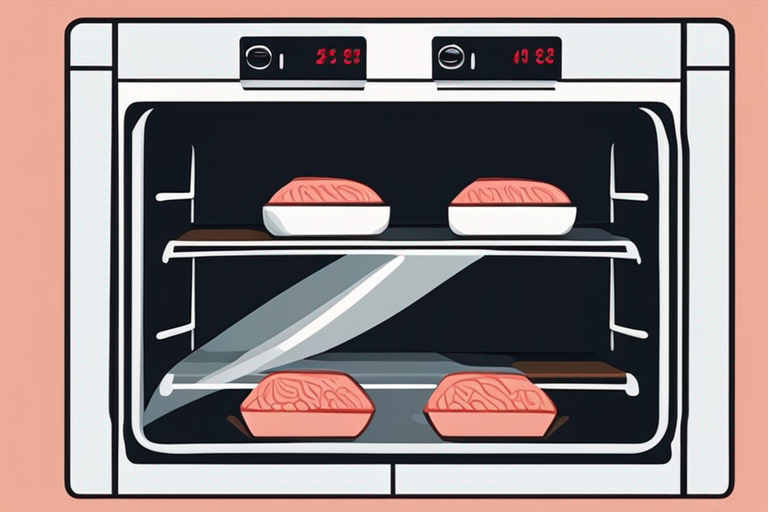
- When reheating cooked pork, ensure it reaches an internal temperature of 165°F (74°C) to kill any bacteria that may have developed during storage.

### 3. Freezing:
- If you aren't planning to consume the cooked pork within a few days, consider freezing it. Cooked pork can be frozen for 2-3 months without compromising quality.

### 4. Signs of Spoilage:
- Before consuming cooked pork, always check for signs of spoilage such as an off smell, slimy texture, or unusual discoloration. If in doubt, it's best to discard it.

## common situation

Understanding how to store cooked pork can be particularly helpful in everyday life. Here are a couple of relatable situation:

### situation 1: The Family Feast
Imagine you’ve just hosted a big family dinner featuring a delicious roast pork. After everyone has had their fill, you find yourself with a significant amount of leftovers. You want to ensure these leftovers are stored correctly so you can enjoy them later in the week. By placing the pork in airtight containers and labeling them with the date, you’ve set yourself up for success! As the days pass, you can easily track when the pork should be reheated or frozen without any guesswork.

### situation 2: Meal Prep Success
You’re a busy professional who likes to meal prep on Sundays. You’ve cooked a big batch of pulled pork for the week ahead. As you divide it into portions for lunches, you remember to cool down the pork before placing it in the fridge. With some portions going into the freezer for weeks down the line, you’ve ensured that your meal prep game is on point. Many people don’t realize that cooling food down before refrigeration is key to preventing bacterial growth!

### situation 3: The Last-Minute Party
You’ve invited a few friends over for an impromptu gathering, and you decided to whip up a simple but flavorful pork stir-fry. After everyone has enjoyed their share, you find yourself with extra food. Instead of letting it go to waste, you quickly package the leftovers in individual servings for your friends to take home. You remind them about proper storage and reheating techniques, ensuring that they can safely enjoy the meal later.

## Scientific Context

Food safety isn’t just about keeping your leftovers fresh; it’s rooted deeply in science. The primary concern with leftover cooked pork is the potential growth of bacteria like Staphylococcus aureus, Salmonella, and E. coli. These bacteria can thrive at temperatures between 40°F and 140°F (4°C - 60°C), which is known as the "risks and considerations zone." This is why it's crucial to refrigerate cooked pork promptly and keep your refrigerator at the right temperature.

Another fascinating aspect is the Maillard reaction, which occurs when pork is cooked, giving it that beautiful brown color and enhanced flavor. This reaction not only makes your pork taste delicious but also affects its shelf life. Proper cooking techniques, such as ensuring the pork reaches the right internal temperature, can also help extend its freshness.

### Nutritional Considerations
Cooked pork is a good source of protein, essential vitamins, and minerals, including B vitamins and zinc. However, it's important to balance your diet and consider how you pair cooked pork with other foods. When stored properly, the nutritional benefits can be enjoyed over several days. Just remember, while the flavors may still be appealing, the nutritional integrity can diminish the longer the food is stored.

## Practical Tips for Storing Cooked Pork

Here are some actionable tips that can help you store cooked pork more effectively:

### 1. Cool Quickly
After cooking, don't let the pork sit out for too long. Aim to refrigerate it within two hours of cooking. If it’s a hot day or your home is particularly warm, try to cool it down even faster. You can place the container in an ice bath to speed up the cooling process before transferring it to the refrigerator.

### 2. Use It Wisely
Think about versatile ways to use your cooked pork. For example, you can incorporate it into salads, sandwiches, or tacos. By using your leftovers creatively, you not only minimize food waste but also enjoy a variety of meals throughout the week.

### 3. Rotate Stock
When you buy fresh pork or other perishables, practice the "first in, first out" method. This means placing newer packages behind older ones to ensure you use the older items first. This simple habit can help you keep track of what needs to be consumed soon.

### 4. Portion Control
Another effective strategy is to portion out your cooked pork for different meals. This not only makes it easier to reheat but also allows you to enjoy smaller, more manageable servings. By pre-portioned meals, you can reduce the risk of contamination that occurs when repeatedly opening a larger container.

## Common Mistakes

Many people unknowingly make mistakes that can compromise the safety and quality of their cooked pork:

### 1. Overpacking
A common error is packing cooked pork too tightly in containers. This can inhibit airflow and create pockets of moisture, which can lead to spoilage. Instead, give your leftovers some room to breathe.

### 2. Ignoring Leftover Lifespan
Some folks ignore the general guideline of 3-4 days and keep leftovers for much longer. This can be a risky move—always adhere to the recommended storage times.

### 3. Not Labeling
Forgetting to label containers with dates can lead to confusion over how long the pork has been stored. It can be tempting to just “wing it,” but having a clear label can save you from potential foodborne illnesses.

### 4. Relying on Smell Alone
While a bad smell can be a good indicator of spoilage, it’s not the only factor to consider. Relying solely on your nose can lead to unsafe consumption. Always check for texture and color changes in addition to any off-putting odors.

## Expert Insights

Food safety experts recommend checking your refrigerator's temperature regularly with an appliance thermometer. This ensures that it remains at a safe level for all perishable items, including cooked pork. Additionally, if you suspect that your refrigerator is malfunctioning, it’s wise to invest in a thermometer for peace of mind.

Moreover, consider investing in vacuum-sealing equipment. Vacuum-sealed pork can last significantly longer in the freezer compared to traditional storage methods. This technique removes air, which is a big contributor to freezer burn and spoilage.

### Recommendations from Food Safety Authorities
The USDA and CDC provide guidelines on food safety, emphasizing the importance of safe food handling, storage, and cooking practices. They suggest using a food thermometer, being educated on safe defrosting methods, and understanding the significance of food dates (such as “best by” and “sell by”). Familiarizing yourself with these recommendations can help you maintain a higher standard of food safety in your kitchen.

## Safety Warnings

While enjoying your cooked pork leftovers, remember these important safety points:

- Never thaw pork at room temperature. Instead, opt for the refrigerator, cold water, or the microwave.
- If you're ever in doubt about whether cooked pork is still safe to eat, it’s better to err on the side of caution. Discard any questionable leftovers to avoid foodborne illnesses.
- Pregnant women, young children, and the elderly should take extra precautions when consuming leftovers, as they may be more susceptible to foodborne illnesses.

## Conclusion

Properly storing cooked pork in the refrigerator is essential to prevent foodborne illnesses and ensure its quality. By following the recommended guidelines for temperature, storage method, and shelf life, you can safely enjoy leftover pork dishes while minimizing food waste.

Remember to always use your senses to determine if cooked pork is still safe to eat, and when in doubt, it's better to err on the side of caution and discard any questionable leftovers. By practicing good food safety habits, you can enjoy delicious pork dishes with peace of mind.
Authoritative Food Safety References
These agencies and university labs inform every tip and health precaution we publish.
USDAOfficial guidance
USDA FoodKeeper – Cold Storage Guidelines
Official refrigerator, freezer, and pantry timelines maintained by the U.S. Department of Agriculture.
Visit USDA FoodKeeperFDAOfficial guidance
FDA Produce Safety Rule & Grower Guidance
Field-to-fridge handling practices that prevent contamination of fruits, vegetables, and leafy greens.
Visit FDA Produce SafetyCDCOfficial guidance
CDC Foodborne Illness Prevention Hub
Surveillance-backed guidance on pathogens, symptoms, and steps to reduce foodborne illness risk.
Visit CDC Food SafetyResearchUniversity research
UC Davis Postharvest Technology Center
University research detailing optimal storage atmospheres for produce after harvest.
Visit UC Davis PostharvestResearchUniversity research
Penn State Extension – Home Food Preservation & Safety
Peer-reviewed extension bulletins on safe canning, chilling, and reheating practices.
Visit Penn State Extension❓
Frequently Asked Questions
Can I freeze cooked pork for later use?
Yes, cooked pork can be frozen for up to 2-3 months. To freeze, place the pork in a freezer-safe container or bag, making sure to remove as much air as possible to prevent freezer burn.
How can I tell if cooked pork has gone bad?
Signs that cooked pork has gone bad include a sour or off smell, slimy texture, or unusual discoloration. If in doubt, it's best to discard the pork to avoid the risk of foodborne illness.
Can reheating cooked pork make it safe to eat again?
Reheating cooked pork to an internal temperature of 165°F (74°C) can help kill any bacteria present and make it safe to eat. Make sure to heat the pork thoroughly and avoid reheating it more than once.
Is it safe to eat leftover cooked pork cold?
It is safe to eat leftover cooked pork cold as long as it has been stored properly in the refrigerator. However, if you prefer to reheat it, make sure to do so thoroughly to ensure it reaches a safe temperature before consuming.
Disclosure: As an Amazon Associate, we earn from qualifying purchases. This helps support our site and allows us to continue providing free food safety information.
Our articles are created using a combination of AI assistance and human review. All food safety information is based on USDA guidelines and credible sources. Learn more about our review process here.