How Long Can You Keep Chicken in the Fridge?
CanIEatExpired.com Team
# How Long Can You Keep Chicken in the Fridge?

When it comes to food safety, proper storage of perishable items like chicken is crucial. Knowing how long you can safely keep chicken in the fridge before cooking it can help prevent foodborne illnesses. In this blog post, we will delve into the recommended guidelines for storing uncooked chicken in the refrigerator.

## Factors Affecting Chicken Shelf Life

Several factors influence how long you can keep chicken in the fridge before it spoils. Understanding these factors can help you make informed decisions about the freshness and safety of your chicken. Here are some key considerations:

### Packaging
- Chicken should be stored in its original packaging or in airtight containers to prevent contamination and extend its shelf life.

### Temperature
- The fridge temperature should be set at 40°F (4°C) or below to slow down bacterial growth and maintain the quality of the chicken.

### Freshness
- The fresher the chicken when purchased, the longer it will stay fresh in the fridge. Check the expiration date and look for signs of spoilage before cooking.

## Guidelines for Storing Uncooked Chicken in the Fridge

Proper storage of chicken is essential to ensure its safety and quality. Follow these guidelines to maximize the shelf life of uncooked chicken in the refrigerator:

### Fresh Whole Chicken

1. Store fresh whole chicken in the fridge for 1-2 days.
2. Keep the chicken in its original packaging or wrap it tightly in plastic wrap or aluminum foil to prevent leakage and cross-contamination.

### Fresh Chicken Pieces

1. Refrigerate fresh chicken pieces (such as breasts, thighs, or drumsticks) for 1-2 days.
2. Place the chicken pieces in a resealable plastic bag or airtight container to maintain freshness.

### Cooked Chicken

1. Cooked chicken can be stored in the fridge for 3-4 days.
2. Allow the cooked chicken to cool completely before transferring it to a container with a tight-fitting lid.

### Raw Ground Chicken

1. Raw ground chicken should be used within 1-2 days of purchase.
2. Keep the ground chicken tightly wrapped in its original packaging or in a sealed container in the fridge.

## Signs of Spoiled Chicken

It's essential to inspect chicken before cooking to ensure its safety. Look out for the following signs that indicate chicken has gone bad:

- Foul odor
- Slimy texture
- Discoloration
- Presence of mold

If you notice any of these signs, discard the chicken immediately to prevent foodborne illnesses.

## Tips for Safe Chicken Storage

To maintain the quality and safety of chicken in the fridge, consider the following tips:

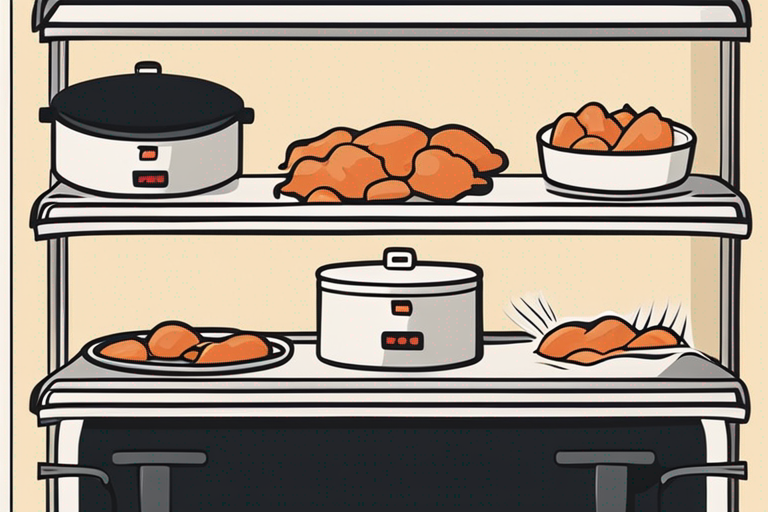
- Store raw chicken on the bottom shelf of the fridge to prevent drips onto other foods.
- Use a refrigerator thermometer to ensure the temperature is consistently below 40°F (4°C).
- Label containers with the date to track how long the chicken has been stored.
- Avoid thawing and refreezing chicken to prevent bacterial growth.

## common situation

Understanding how to store chicken safely can be particularly important in everyday situations. Here are a couple of relatable stories that highlight the significance of food safety:

### situation 1: The Busy Parent
Common situations include parent, Sarah, who picks up a whole chicken after a long day at work. She plans to roast it over the weekend. However, with the hustle and bustle of family life, she forgets to cook it until day three. When she finally opens the fridge, she notices a slight odor. Instead of cooking it, she decides to be cautious and checks for other signs of spoilage. In doing so, she avoids a potential foodborne illness that could have affected her entire family.

### situation 2: The Meal Prepper
John, an avid meal prepper, buys several packages of chicken breasts to prepare meals for the week. He meticulously divides them into portions and stores them in airtight containers. However, on day four, he realizes that he hasn't cooked one of the packages yet. He remembers the guideline about chicken freshness and decides to cook the chicken thoroughly before freezing the leftovers. By being proactive, John ensures that he enjoys safe and delicious meals without wasting food.

## Scientific Context of Chicken Storage

The science behind chicken storage mainly revolves around understanding bacterial growth. Chicken can harbor harmful bacteria like Salmonella and Campylobacter. These pathogens can multiply rapidly if chicken is not stored correctly.

### Bacterial Growth
At temperatures above 40°F (4°C), bacteria can double in number every 20 minutes. This is why it's critical to keep your refrigerator at the right temperature. The USDA recommends using a food thermometer to monitor your fridge's internal temperature regularly.

### Preservation Methods
In addition to refrigeration, there are other methods to preserve chicken. Freezing is an effective way to extend the shelf life of chicken significantly. Raw chicken can be stored in the freezer for up to one year, while cooked chicken can last anywhere from 2-6 months. Remember to wrap it tightly to prevent freezer burn, which can impact both the texture and taste.

## Common Mistakes in Chicken Storage

Many people unknowingly make mistakes when it comes to storing chicken. Here are some of the most common errors to avoid:

### Mistake 1: Not Checking the Temperature
Some assume that simply keeping chicken in the fridge is enough. However, if your fridge isn’t at the correct temperature, it can lead to spoilage. Keeping a thermometer handy can help avoid this issue.

### Mistake 2: Storing Chicken on the Top Shelf
Another frequent mistake is storing chicken on the top shelf. Since juices can leak, keeping raw chicken on the bottom shelf minimizes the risk of cross-contamination with other foods.

### Mistake 3: Ignoring Dates
It's easy to forget about the "use by" or "best by" dates on chicken packaging. Many people think if it looks and smells fine, it's okay to use. However, these dates are guidelines from manufacturers based on quality and safety standards.

## Expert Insights

Food safety experts recommend keeping a food safety checklist in your kitchen. This can include:

- **Essential Temperatures:** Familiarize yourself with safe cooking temperatures. For chicken, use a meat thermometer to ensure it reaches an internal temperature of 165°F (74°C).
- **Cleaning Practices:** Regularly clean your fridge and the surfaces where you handle raw chicken to avoid cross-contamination.
- **Educate Yourself:** Attend local food safety workshops or read up on food safety guidelines from credible sources like the USDA or CDC.

## Storage Methods

To make the most of your chicken storage, consider these additional methods:

### Marinating
Marinating chicken can not only enhance flavor but can also extend its shelf life. Use acidic ingredients like vinegar or lemon juice, which can slow down the growth of bacteria. Just remember to marinate in the fridge, not at room temperature!

### Vacuum Sealing
If you frequently buy chicken in bulk, vacuum sealing can be a great method to maintain its freshness. By removing air from the packaging, you reduce the chances of freezer burn and extend its shelf life significantly.

## Safety Warnings

When dealing with chicken, always keep hygiene at the forefront. Here are some crucial safety warnings:

- **Wash Hands Thoroughly:** Always wash your hands with soap and hot water before and after handling raw chicken.
- **Separate Cutting Boards:** Use separate cutting boards for raw chicken and other foods to prevent cross-contamination.
- **Thawing Chicken:** Thaw chicken in the refrigerator, cold water, or the microwave, but never leave it out at room temperature.

## Conclusion

Proper storage of uncooked chicken in the fridge is essential to prevent foodborne illnesses and maintain food safety. By following the recommended guidelines for storing chicken and being mindful of signs of spoilage, you can enjoy fresh and safe chicken dishes. Remember to prioritize food safety practices to protect yourself and your loved ones from potential health risks.

By understanding the principles of chicken storage, staying aware of common mistakes, and implementing expert recommendations, you'll be well on your way to mastering food safety in your kitchen.
Authoritative Food Safety References
These agencies and university labs inform every tip and health precaution we publish.
USDAOfficial guidance
USDA FoodKeeper – Cold Storage Guidelines
Official refrigerator, freezer, and pantry timelines maintained by the U.S. Department of Agriculture.
Visit USDA FoodKeeperFDAOfficial guidance
FDA Produce Safety Rule & Grower Guidance
Field-to-fridge handling practices that prevent contamination of fruits, vegetables, and leafy greens.
Visit FDA Produce SafetyCDCOfficial guidance
CDC Foodborne Illness Prevention Hub
Surveillance-backed guidance on pathogens, symptoms, and steps to reduce foodborne illness risk.
Visit CDC Food SafetyResearchUniversity research
UC Davis Postharvest Technology Center
University research detailing optimal storage atmospheres for produce after harvest.
Visit UC Davis PostharvestResearchUniversity research
Penn State Extension – Home Food Preservation & Safety
Peer-reviewed extension bulletins on safe canning, chilling, and reheating practices.
Visit Penn State Extension❓
Frequently Asked Questions
Can you freeze chicken to extend its shelf life?
Yes, you can freeze raw chicken to extend its shelf life. Make sure to wrap the chicken tightly in plastic wrap or aluminum foil before placing it in the freezer. Frozen chicken can last up to 9 months in the freezer.
How do you know if chicken has gone bad?
You can tell if chicken has gone bad by checking for a foul odor, slimy texture, or unusual discoloration. If the chicken has any of these signs, it is best to discard it to avoid the risk of foodborne illness.
Can cooked chicken be stored in the fridge?
Cooked chicken can be stored in the fridge for 3-4 days. Make sure to store it in an airtight container to maintain its freshness and prevent any contamination with other foods in the fridge.
Is it safe to reheat leftover chicken?
Yes, it is safe to reheat leftover chicken as long as it is reheated to an internal temperature of 165°F (74°C). Reheat the chicken in the microwave, oven, or on the stovetop until it is piping hot throughout.
📚
Citations
Disclosure: As an Amazon Associate, we earn from qualifying purchases. This helps support our site and allows us to continue providing free food safety information.
Our articles are created using a combination of AI assistance and human review. All food safety information is based on USDA guidelines and credible sources. Learn more about our review process here.