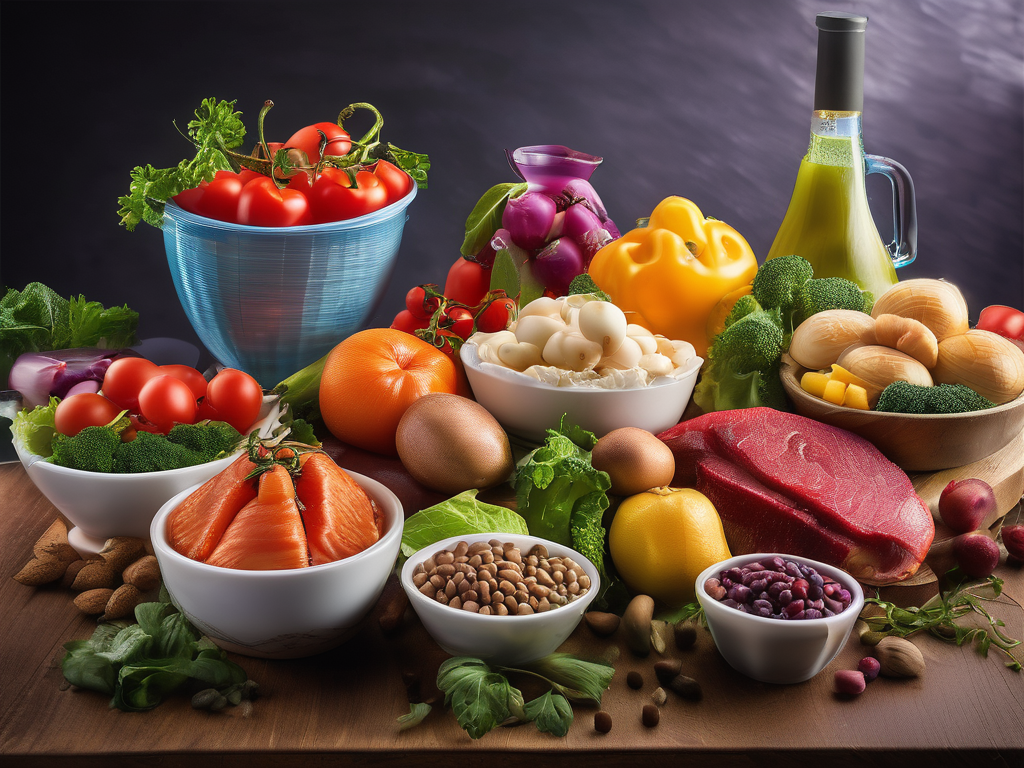
How Long is Pork Good For After Sell By Date
How Long is Pork Good For After Sell By Date
When it comes to food safety, it's essential to pay close attention to expiration dates on perishable items like pork. The sell-by date on pork packaging is a guideline for retailers to know how long they can display the product for sale. However, it doesn't necessarily mean the pork is bad once that date passes. In this blog post, we will delve into how long pork is good for after the sell-by date, how to properly store it, and tips for ensuring its safety.
Understanding Sell-By Dates
Sell-by dates are not the same as expiration dates. Sell-by dates are provided by manufacturers as a guide for retailers on how long to display the product. It's important to note that the sell-by date is not an indicator of the safety of the food but rather its quality. In the case of pork, you can still consume it after the sell-by date as long as it has been stored properly.
Factors Affecting Pork's Shelf Life
Several factors can impact how long pork remains good after the sell-by date, including:
Proper cooking temperatures are essential for food safety. An instant-read food thermometer (Amazon) helps ensure meat reaches safe internal temperatures and reduces the risk of foodborne illness.
- Storage Conditions: Proper storage is crucial for extending the shelf life of pork.
- Packaging: Vacuum-sealed or airtight packaging can help preserve pork for longer.
- Temperature: Pork should be stored at the recommended temperature to prevent bacterial growth.
- Handling: Proper handling practices can also affect the quality and safety of pork.
How Long Is Pork Good For After Sell By Date
While the sell-by date is a good reference point, the actual shelf life of pork can vary based on how it has been stored and handled. Here are some general guidelines for how long different types of pork products are good for after the sell-by date:
Fresh Pork Cuts
- Refrigerator: Fresh pork cuts can typically last 3-5 days in the refrigerator after the sell-by date.
- Freezer: If properly stored in the freezer, fresh pork cuts can last up to 6-8 months after the sell-by date.
Ground Pork
- Refrigerator: Ground pork should be consumed within 1-2 days after the sell-by date if stored in the refrigerator.
- Freezer: Ground pork can last up to 3-4 months in the freezer after the sell-by date.
Cooked Pork
- Refrigerator: Cooked pork dishes should be consumed within 3-4 days after the sell-by date if stored in the refrigerator.
- Freezer: Cooked pork can last up to 2-3 months in the freezer after the sell-by date.
Proper Storage Tips for Pork
To ensure the safety and quality of pork after the sell-by date, follow these storage tips:
- Refrigeration: Store pork in the coldest part of the refrigerator, ideally below 40°F (4°C).
- Freezing: If you don't plan to consume the pork before the sell-by date, freeze it in airtight packaging.
- Avoid Cross-Contamination: Keep raw pork separate from other foods to prevent cross-contamination.
- Use-By Date: If the pork is nearing its use-by date, consider cooking it and then freezing it for later consumption.
Signs of Spoiled Pork
It's crucial to be able to recognize the signs of spoiled pork to avoid foodborne illnesses. Here are some indicators that pork has gone bad:
Refrigerator temperature fluctuations can accelerate spoilage and increase food safety risks. A refrigerator thermometer (Amazon) helps monitor consistent cold storage (40°F or below).
- Foul Odor: If the pork has a strong, unpleasant odor, it may be spoiled.
- Discoloration: Any changes in color, such as a grayish hue, can indicate spoilage.
- Slimy Texture: Spoiled pork may feel slimy or sticky to the touch.
- Mold: Visible mold growth on the pork is a clear sign of spoilage.
common situation
Imagine you're hosting a family barbecue and you bought a beautiful pork shoulder a few days before the event. It has a sell-by date that’s just passed, and you wonder if it’s still good. You remember that you stored it in the coldest part of the fridge, and it smells just fine. After checking the color and texture, you feel confident it’s safe to use. You marinate it overnight and slow-cook it to perfection, pleasing your guests and avoiding food waste.
In another situation, maybe you’re a busy parent who bought ground pork for a quick weeknight dinner but forgot about it in the fridge. You see the sell-by date has passed by a day or two. You remember that you can use your senses to determine its quality. After inspecting the ground pork for signs of spoilage, you decide to cook it up as meatballs, serving a delicious meal without worry.
These relatable situations highlight how understanding sell-by dates and the conditions of food storage can help you make safe choices.
Scientific Context: Food Safety and Preservation
Pork, like other meats, is susceptible to spoilage due to the growth of bacteria and other microorganisms. When pork is stored at temperatures above 40°F (4°C), bacteria can multiply rapidly, leading to spoilage and foodborne illnesses.
The USDA recommends cooking pork to an internal temperature of 145°F (63°C) and allowing it to rest for three minutes before carving or consuming. This is to ensure that harmful bacteria, such as Salmonella and E. coli, are eliminated. Freezing pork halts bacterial growth, which is why properly frozen pork can last much longer past the sell-by date.
Practical Tips for Pork Preservation
Here are some effective techniques to ensure your pork stays fresh longer:
- Marinating: If you marinate pork, use acidic components like vinegar or citrus juice, which can inhibit bacterial growth. Just remember to refrigerate the marinated meat if you are not cooking it right away.
- Vacuum Sealing: This method removes air, which slows down spoilage. If you frequently buy pork in bulk, consider investing in a vacuum sealer.
- Portioning: If you buy large cuts of pork, consider portioning them into meal-sized servings before freezing. This way, you only thaw what you need, reducing waste.
- Labeling: Label your pork with the date you purchased it and the date you froze it. This will help you keep track of its freshness.
Common Mistakes to Avoid
Many people have misconceptions regarding the sell-by date and how to handle meat. Here are some common pitfalls:
- Ignoring Senses: Relying solely on dates rather than trusting your senses can lead to wasted food. Always check for visual and olfactory cues.
- Inconsistent Temperatures: Frequently opening the refrigerator can cause temperature fluctuations, promoting bacterial growth. Make sure your fridge is working efficiently.
- Storing in Original Packaging: While the original packaging is fine for short-term storage, if you plan to freeze pork, it's best to repackage it in airtight materials. The original packaging can allow for air exposure, leading to freezer burn.
- Assuming Cooked Equals Safe: Just because pork is cooked doesn’t mean it’s safe indefinitely. Cooked pork also has a limited shelf life, and it’s vital to store it correctly.
Expert Insights
To ensure you’re consuming pork safely, consider these expert recommendations:
- Plan Your Meals: For better food safety, plan your meals ahead of time and shop accordingly. This reduces the chances of buying more than you can consume before the sell-by date.
- Cook Thoroughly: Ensure that all pork is cooked to the recommended internal temperature. Using a meat thermometer is a foolproof way to avoid undercooking.
- Stay Informed: Familiarize yourself with food safety resources, such as the USDA’s Food Safety and Inspection Service, to stay updated on best practices.
Conclusion
While the sell-by date on pork packaging is a good reference point, it's essential to understand that the actual shelf life of pork can vary based on storage and handling practices. By following proper storage guidelines, monitoring for signs of spoilage, and using your best judgment, you can enjoy pork safely even after the sell-by date. Remember, when in doubt, it's best to err on the side of caution and discard any pork that shows signs of spoilage. Stay informed, stay safe, and enjoy your pork responsibly!
By incorporating these insights and practices into your routine, you can make the most of your pork products while minimizing waste and ensuring safety for you and your family.
Authoritative Food Safety References
These agencies and university labs inform every tip and health precaution we publish.
USDA FoodKeeper – Cold Storage Guidelines
Official refrigerator, freezer, and pantry timelines maintained by the U.S. Department of Agriculture.
Visit USDA FoodKeeperFDA Produce Safety Rule & Grower Guidance
Field-to-fridge handling practices that prevent contamination of fruits, vegetables, and leafy greens.
Visit FDA Produce SafetyCDC Foodborne Illness Prevention Hub
Surveillance-backed guidance on pathogens, symptoms, and steps to reduce foodborne illness risk.
Visit CDC Food SafetyUC Davis Postharvest Technology Center
University research detailing optimal storage atmospheres for produce after harvest.
Visit UC Davis PostharvestPenn State Extension – Home Food Preservation & Safety
Peer-reviewed extension bulletins on safe canning, chilling, and reheating practices.
Visit Penn State ExtensionDisclosure: As an Amazon Associate, we earn from qualifying purchases. This helps support our site and allows us to continue providing free food safety information.