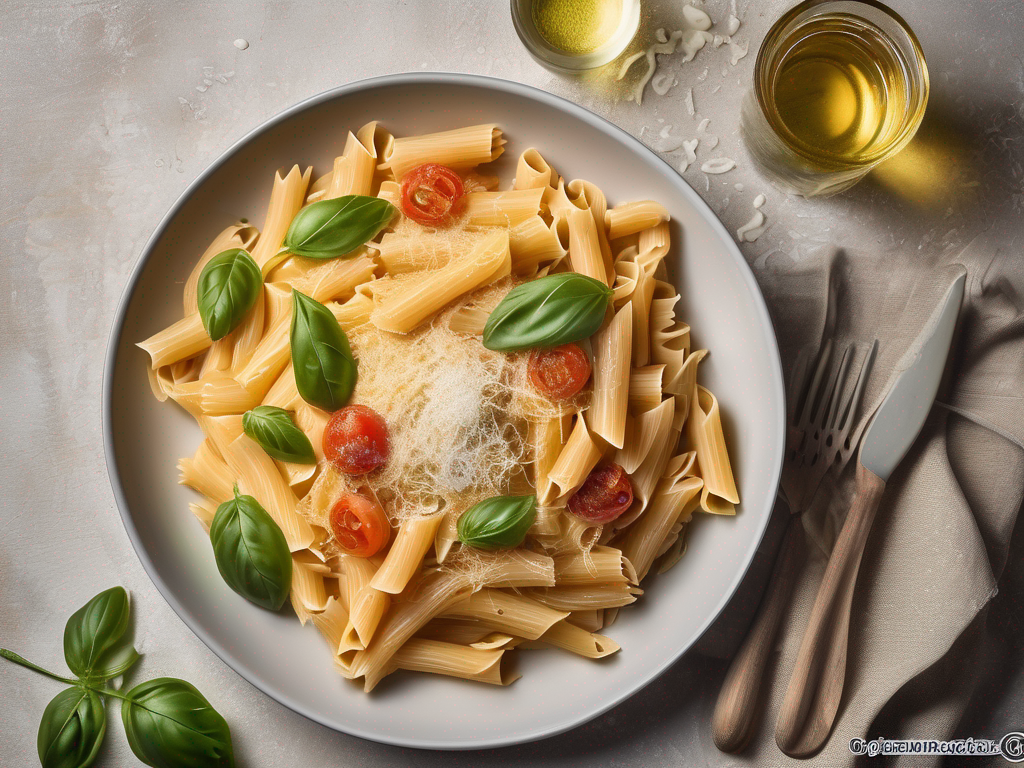
How Long is Pasta Good for After the Expiration Date
How Long is Pasta Good for After the Expiration Date
In the world of pantry staples, pasta holds a special place. Versatile, easy to cook, and delicious, pasta is a go-to option for many households. But what happens when you find an old box of pasta in the back of your pantry? How long is pasta good for after the expiration date? Let's delve into the world of pasta storage and safety to find out. (Pasta)
Understanding Pasta Expiration Dates
When you look at a box of pasta, you'll typically find a "best by" or expiration date stamped on the packaging. This date gives you an idea of when the pasta is at its freshest and most flavorful. However, it's essential to remember that pasta doesn't automatically go bad the day after the expiration date passes.
Factors Affecting Pasta Shelf Life
Several factors can influence how long pasta remains good to eat after the expiration date:
Proper airflow and humidity control can significantly extend produce freshness. Many households use produce storage containers (Amazon) in the refrigerator to regulate moisture and slow spoilage.
- Storage Conditions: Proper storage is key to extending the shelf life of pasta. Keeping it in a cool, dry place away from sunlight and moisture can help preserve its quality.
- Packaging: Sealed packaging can help protect pasta from air and humidity, prolonging its shelf life.
- Type of Pasta: Different types of pasta, such as whole wheat or gluten-free varieties, may have varying shelf lives.
- Presence of Pests: Make sure your pasta storage area is free from pests that can contaminate the pasta.
How to Tell If Pasta Has Gone Bad
While pasta can last beyond its expiration date, there are signs to watch for that indicate it may have gone bad:
Spoilage Indicators
- Mold: If you see any mold on the pasta, discard it immediately.
- Off Odor: Pasta that smells rancid or off is likely no longer safe to eat.
- Texture Changes: Slimy or sticky pasta is a sign of spoilage.
Safe Storage Practices for Pasta
To ensure your pasta stays fresh and safe to eat for as long as possible, follow these storage tips:
Proper Pasta Storage
- Cool, Dry Place: Store pasta in a cool, dry pantry away from heat and humidity.
- Airtight Containers: Transfer pasta to airtight containers to protect it from moisture and pests.
- Avoid Sunlight: Keep pasta away from direct sunlight to prevent it from becoming stale.
- Labeling: Use labels to track the purchase date and expiration date of pasta.
How Long Can Pasta Last Beyond the Expiration Date
When stored properly, pasta can last well beyond its expiration date. Here are some general guidelines for different types of pasta:
Keeping produce organized can improve air circulation and cooling. refrigerator organizer bins (Amazon) help reduce overcrowding and maintain consistent refrigerator temperatures.
Dry Pasta
- Unopened: Dry pasta can last 1-2 years past the expiration date if stored correctly.
- Opened: Once opened, dry pasta can typically last 6-8 months.
Fresh Pasta
- Unopened: Fresh pasta can last 1-2 weeks beyond the expiration date in the refrigerator.
- Opened: Use opened fresh pasta within 3-4 days.
common situation with Expired Pasta
Imagine you’re in the middle of a busy week, and you decide to whip up a quick spaghetti dish for dinner. As you rummage through your pantry, you discover a box of pasta tucked away at the back. It’s past its expiration date, and you wonder if it’s still good. Many people find themselves in this situation and often have to navigate the gray area of food safety and expiration dates.
For example, Jessica, a college student, found an almost forgotten box of penne pasta during a late-night study session. With limited resources and a time crunch, she decided to cook it anyway, reasoning that it looked fine and smelled okay. After checking for any signs of spoilage and confidently proceeding, she ended up with a delicious dinner that fueled her studying—proving that sometimes, a little risk pays off, especially when stored properly!
Another situation involves Tom, a busy dad who routinely makes big batches of pasta to freeze for easy weeknight dinners. One day, he realizes the fresh pasta he bought a week ago is nearing its expiration date. Instead of tossing it, he quickly cooks it up, portions it out, and freezes it in individual servings. This not only prevents food waste but also gives him quick meal options for future dinners.
These stories highlight that with a little caution and a good eye for quality, pasta can still be a lifesaver even after its expiration date.
Scientific Context of Pasta Shelf Life
Pasta is primarily made from durum wheat, which has a low moisture content that makes it shelf-stable. Understanding the science behind why pasta can last so long involves a look at its composition. The low moisture levels in dried pasta inhibit the growth of bacteria and mold, making it a less perishable product.
When pasta is stored in a cool and dry environment, the starchy structure remains intact, allowing it to retain its quality over time. However, constant exposure to moisture can lead to quality degradation—so if you notice any clumping or unusual smells, it might be time to let it go.
Nutritional Information
Aside from its storability, pasta is also a nutritious option. A serving of cooked pasta (about 1 cup) contains around 200 calories, primarily from carbohydrates. It also provides some protein and a small amount of fiber—especially if you opt for whole grain varieties. Pairing pasta with nutrient-dense ingredients like vegetables, lean proteins, and healthy fats can turn it into a well-rounded meal. Just remember, if you're eating pasta that is past its expiration date, ensure you’re still getting a balanced meal by adding fresh, wholesome ingredients.
Common Mistakes Surrounding Pasta Expiration
One of the most common misconceptions about pasta is that it becomes dangerous to eat right after the expiration date. Many people throw away perfectly good pasta without considering its condition. It’s essential to educate yourself about food safety and quality indicators rather than relying solely on expiration dates.
Another mistake is storing pasta incorrectly. Some individuals leave it in the original packaging, which may not be airtight. This can expose pasta to moisture and pests. Instead, transferring it to an airtight container is a simple yet effective way to extend its shelf life.
Expert Insights on Pasta Storage
Food safety experts recommend regularly checking your pantry items, especially those with longer shelf lives. They also stress the importance of understanding the difference between “best by,” “sell by,” and “expiration” dates. While "best by" dates indicate peak quality, it doesn’t mean the food is unsafe after that date.
Additionally, when purchasing pasta, always try to buy it in bulk or larger quantities if you use it frequently. This ensures you have a reliable supply and can keep an eye on expiration dates more effectively.
Additional Storage Methods
For those who love to preserve every last bit of pasta, there are various methods to consider:
-
Vacuum Sealing: This method helps remove air and moisture, ensuring pasta lasts even longer. If you purchase pasta in bulk, consider vacuum sealing portions for maximum freshness.
-
Freezing Cooked Pasta: If you have leftover cooked pasta, it can be frozen for later use. Just ensure it’s cooled down, portioned, and stored in an airtight container. It can last for several months in the freezer.
-
Using Desiccants: Placing a food-safe desiccant packet in your pasta container can help absorb excess moisture, further prolonging the shelf life.
Safety Warnings and Final Thoughts
While pasta can be a forgiving food item, it’s crucial to remember that safety should always come first. If there are any signs of spoilage, such as an off smell, unusual texture, or visible mold, it’s best to err on the side of caution and discard it.
In conclusion, pasta can remain safe to eat for an extended period beyond its expiration date if stored properly and shows no signs of spoilage. By understanding the factors that influence pasta shelf life, recognizing signs of spoilage, and following safe storage practices, you can enjoy your favorite pasta dishes with confidence. Remember, when in doubt, it's best to err on the side of caution and discard any pasta that appears questionable. Enjoy your pasta dishes knowing you've stored them safely and wisely!
For more information on pasta, check out our pasta page. Stay safe and enjoy your delicious pasta creations! (Pasta)
Related Posts
Here are some other articles you might find helpful:
Authoritative Food Safety References
These agencies and university labs inform every tip and health precaution we publish.
USDA FoodKeeper – Cold Storage Guidelines
Official refrigerator, freezer, and pantry timelines maintained by the U.S. Department of Agriculture.
Visit USDA FoodKeeperFDA Produce Safety Rule & Grower Guidance
Field-to-fridge handling practices that prevent contamination of fruits, vegetables, and leafy greens.
Visit FDA Produce SafetyCDC Foodborne Illness Prevention Hub
Surveillance-backed guidance on pathogens, symptoms, and steps to reduce foodborne illness risk.
Visit CDC Food SafetyUC Davis Postharvest Technology Center
University research detailing optimal storage atmospheres for produce after harvest.
Visit UC Davis PostharvestPenn State Extension – Home Food Preservation & Safety
Peer-reviewed extension bulletins on safe canning, chilling, and reheating practices.
Visit Penn State ExtensionDisclosure: As an Amazon Associate, we earn from qualifying purchases. This helps support our site and allows us to continue providing free food safety information.